Top 10 Types of Organic Companies in India and How to Choose the Best Supplier
-

- Published Updated
- 1,264 views
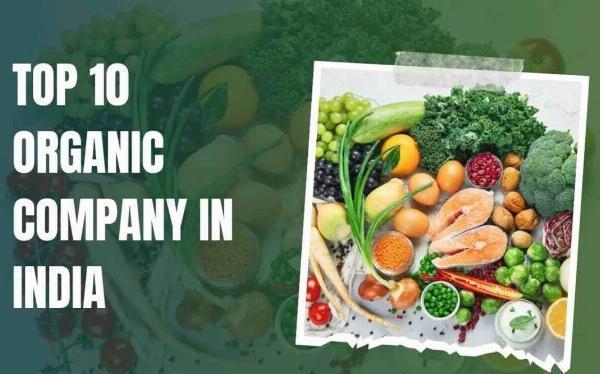
Best organic companies in India: top 10 types and how to pick one
Searching for the best organic companies in India requires comparing certification, supply chain transparency, product range, and price. This guide breaks the market into ten practical categories, shows how to evaluate suppliers with a named checklist, and includes a short real-world sourcing example so buyers can act with confidence.
- Detected intent: Commercial Investigation
- Main outcome: Understand the 10 common company types and a CHECkLIST to evaluate them
- Next step: Verify organic certification, ask for traceability, and request recent lab results
Why compare types instead of one-size-fits-all brands
Buying from the best organic companies in India is less about a single "top brand" and more about matching supplier type to needs. Small cafés, exporters, and retail buyers have different priorities: price, certified traceability, volume, and processing capability. The sections below explain the trade-offs and real differences between common provider types.
Top 10 types of organic companies in India (what they do and when to choose them)
-
National packaged organic brands
Large consumer-facing brands sell packaged staples (rice, atta, spices, teas). They offer consistent packaging, retail-ready SKUs, and marketing support. Best for retail shelves and e-commerce. Trade-off: higher retail pricing compared with direct-farm buys.
-
Exporter-processors and certified packers
These companies focus on bulk packing and exports and typically maintain strict NPOP/NOP compliance. Best for bulk buyers and international trade. Trade-off: minimum order quantities can be large.
-
Farmer cooperatives and collectives
Local cooperatives aggregate certified produce from many smallholders. Best for buyers who need traceable origin and want to support rural livelihoods. Trade-off: variable volumes and seasonal availability.
-
Certified organic farms
Standalone certified farms sell directly or through aggregators. Best for custom orders, direct traceability, and farm visits. Trade-off: limited product range and smaller volumes.
-
Spice, pulse, and specialty ingredient specialists
Companies that specialize in organic spices, pulses, or oils often have deep processing knowledge and lab controls. Best for F&B manufacturers seeking ingredient specs. Trade-off: narrower product line.
-
Organic dairy and farm-to-bottle producers
Dairy co-ops and farms selling organic milk and milk products; these require different certification and cold-chain logistics. Best for retailers focused on perishable goods.
-
Retail chains and organic supermarkets
Retailers that curate multiple brands under one roof—useful for comparing SKUs quickly. Trade-off: prices can be at retail margins.
-
B2B ingredient suppliers
Suppliers set up to sell ingredients to food manufacturers (flours, concentrates). Best for co-manufacturing and private label. Trade-off: usually sold in larger commercial lots.
-
Local aggregators and online marketplaces
Platforms that connect multiple producers and brands; convenient for small buyers but require careful vetting for certification authenticity.
-
Contract growers and custom processors
Companies offering contract farming and custom processing can secure volume and meet specification. Best for long-term supply contracts; requires investment in relationship management.
CHECkLIST framework: a named checklist to evaluate organic companies
Use the CHECkLIST framework before signing with any supplier:
- Certification — Ask for current organic certificates (NPOP/NPOP equivalence) and certifier name.
- History — Check track record: years certified, customer references, complaint history.
- Evidence of traceability — Lot numbers, farm origin, and chain-of-custody documents.
- Conformity tests — Request recent pesticide residue and microbial reports.
- k (knowledge) — Supplier knowledge of organic agronomy and post-harvest handling.
- Logistics capability — Cold chain, storage practices, and shelf-life processes.
- Inspection frequency — How often internal and external audits occur.
- Sample policy — Ability to provide samples and small trial lots.
- Terms — Payment terms, lead times, and minimum order quantities.
Real-world example: a café sourcing organic spices
A boutique café needs 50 kg/month of organic turmeric and priority is consistent flavor and pesticide-free status. Using the CHECkLIST, the buyer chose a regional spice specialist that provided NPOP certification, recent residue tests, and a small trial lot. The café negotiated a 3-month contract with monthly deliveries—solving volume and quality concerns without overpaying retail premiums.
Practical tips for verifying and buying
- Ask suppliers for full organic certificates and verify the certifier's name against the government registry.
- Request lot-level traceability (farm name, batch number) and recent lab results for residues and contaminants.
- Start with a trial order and quality acceptance criteria before committing to large contracts.
- Compare cost-per-usable-unit (after trimming/processing) rather than headline price alone.
- Confirm storage and transport conditions to reduce spoilage for perishables.
Trade-offs and common mistakes
Common mistakes include relying solely on brand reputation without checking certifications, ignoring traceability across supply chain steps, and assuming "organic-like" or "natural" claims equal certified organic. Trade-offs typically involve price versus traceability: lower-cost options often come with less documentation and higher supply risk.
Core cluster questions
- How to verify organic certification for food suppliers in India?
- What documents prove traceability in an organic supply chain?
- How do exporter-processors differ from farmer cooperatives for organic orders?
- What are realistic MOQ expectations when buying organic ingredients?
- Which lab tests are essential when sourcing organic produce?
For an authoritative, official reference on certification standards and approved certifiers, see the National Programme for Organic Production overview (Government of India) here.
Next steps for buyers
Match the supplier type to needs: choose national brands for retail convenience, cooperatives or certified farms for origin traceability, and exporter-processors for large-volume, specification-driven orders. Use the CHECkLIST to structure inquiries and require samples and test reports before scaling.
Which are the best organic companies in India for packaged foods?
Packaged food buyers typically shortlist national consumer brands and certified packers; apply the CHECkLIST to verify certification, traceability, and lab reports before purchase.
How can a small business verify an organic supplier's certification?
Ask for the certifier's name, certificate number, and expiry date; request copies of chain-of-custody documents and recent residue test reports. Cross-check certifiers against government lists.
Are prices significantly higher when buying organic ingredients in India?
Organic prices are generally higher due to lower yields and certification costs. Calculate cost-per-usable-unit and consider contract farming or cooperatives to reduce price volatility.
What paperwork should exporters request from an Indian organic supplier?
Exporters should require NPOP or equivalent certificates, lot-level traceability, processing/packing audit reports, and international residue test certificates where relevant.
How quickly can a supplier provide a sample or trial shipment?
Expect 1–4 weeks depending on SKU, distance, and whether the supplier needs to allocate certified stock. Plan trials before peak season to avoid delays.