Best Ocean Adventures in Oman: Top 10 Experiences and Practical Guide
-

- March 11th, 2026
- 239 views

Get a free topical map and start building content authority today.
Detected intent: Informational
Oman’s coastline offers a rare mix of clear water, rich marine life, and dramatic coastlines — perfect for ocean adventures in Oman that range from snorkeling with turtles to overnight dhow cruises. This guide explains the top 10 activities, safety considerations, and how to choose the right trip for skill level and season.
- Top activities: snorkeling, scuba diving, dhow cruises, dolphin watching, turtle nesting visits, deep-sea fishing, kayaking, coasteering, whale watching, and overnight island camping.
- Best regions: Daymaniyat Islands, Musandam fjords, Ras Al Jinz, Masirah, and Salalah.
- Use the SEA SAFE checklist before departure; follow local guidelines and protected-area rules.
Top 10 ocean adventures in Oman
-
Snorkeling at the Daymaniyat Islands
Daymaniyat is a marine reserve with coral gardens and sea turtles. Ideal for beginners and families. Bring reef-safe sunscreen and a reef-conscious guide to avoid damaging corals.
-
Scuba diving on Masirah and southern reefs
Masirah and the Dhofar coast offer pelagic encounters and dramatic reef walls. Advanced divers can find current-fed sites with large fish; check conditions and depth limits before booking.
-
Dhow cruises and coastal overnight trips
Traditional dhow cruises combine calm sailing with island stops for snorkeling and camping. Choose operators that follow marine-protection rules and provide life jackets and navigation equipment.
-
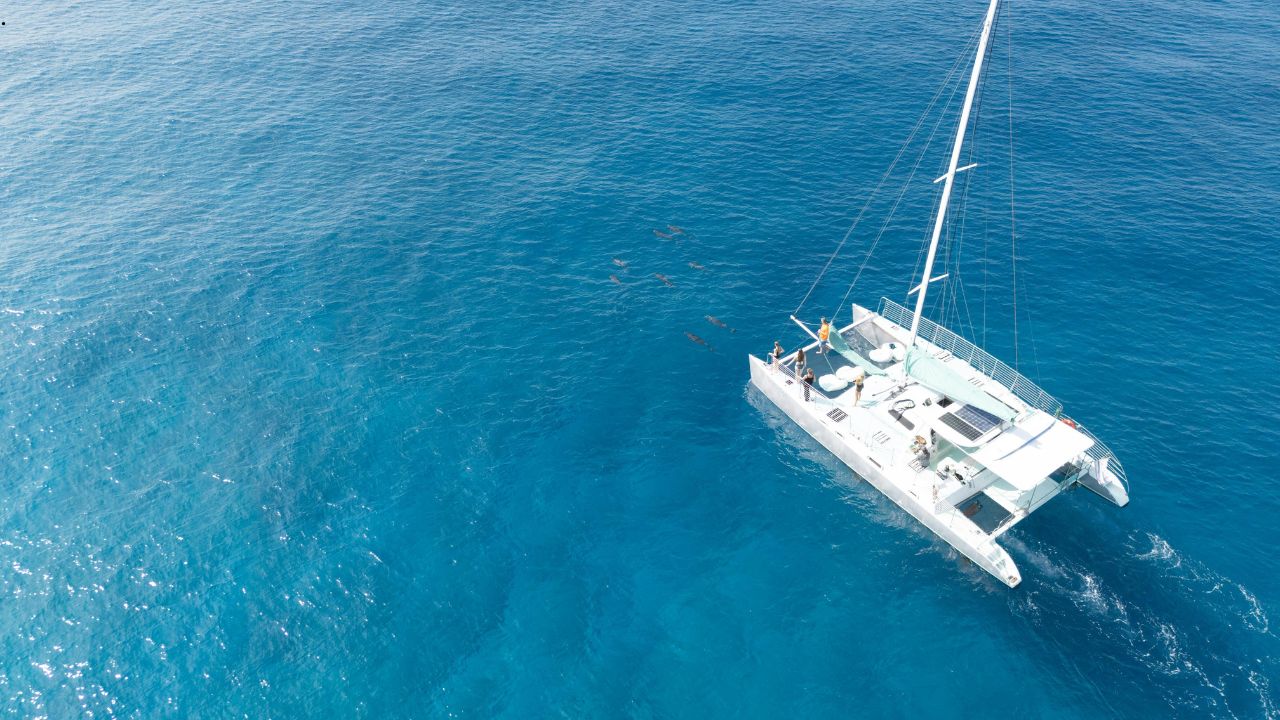
Oman dolphin watching tours
Fast-boat dolphin tours are available from several coastal towns; look for operators that avoid chasing pods and maintain a respectful distance. Dawn trips usually offer calmer seas and better viewing.
-
Ras Al Jinz turtle nesting visits
Ras Al Jinz is famed for green turtle nesting. Guided night visits are regulated to protect nesting females and hatchlings. Book through authorized centers to follow conservation rules.
-
Whale and manta-spotting safaris
Seasonal offshore trips can yield sightings of migrating whales and manta rays. These are weather-dependent and often require longer transit times — plan for full-day charters.
-
Sea kayaking and coastal exploration
Kayak the sheltered bays near Musandam or the quieter southern coves to explore sea cliffs and hidden beaches. Use experienced guides for routes with tidal challenges.
-
Coasteering and cliff jumping (experienced adventurers)
Selected rocky coasts offer coasteering routes; these require supervision, helmets, and wetsuits. Assess tide and swell before attempting jumps.
-
Deep-sea and sport fishing
Catch-and-release sport fishing is common; check local rules on protected species. Offshore charters often target tuna, kingfish, and other pelagics.
-
Island camping and marine photography
Overnight camps on remote islands allow low-light photography of bioluminescence and seabird colonies. Follow leave-no-trace principles and local permits.
Best snorkeling spots in Oman
Top snorkeling locations include the Daymaniyat Islands, coastal pools near Salalah, and sheltered coves off Muscat. For coral health and permit info, consult local conservation authorities.
Oman dolphin watching tours: what to know
Choose tours that follow responsible wildlife-watching codes to avoid stressing pods. Peak viewing varies by region; ask operators about average encounter rates and boat distancing policies.
SEA SAFE checklist (named framework)
Use the SEA SAFE checklist before any ocean activity to reduce risk and protect habitat.
- Status: Check weather, tides, and local advisories.
- Equipment: Life jackets, communication device, and reef-safe sunscreen.
- Access: Confirm permits, protected-area rules, and launch points.
- Skills: Match activity difficulty to experience; hire certified guides for technical dives.
- First aid & contingency: Carry a basic kit and emergency plan.
- Environment: Follow no-touch, no-take principles and avoid disturbing wildlife.
Short real-world example
A family itinerary: a morning dhow cruise from Muscat to Daymaniyat Islands, two guided snorkeling sessions with provided masks and fins, a protected-area briefing, and a return in late afternoon. The group followed the SEA SAFE checklist and used reef-safe sunscreen; a local ranger confirmed coral recovery progress after seasonal closures.
Practical tips for booking and staying safe
- Book trips with operators who can show local permits and safety equipment records.
- Travel in the shoulder seasons (spring and autumn) for calmer seas and better visibility.
- Avoid touching or standing on coral; photograph with care and keep a respectful distance from wildlife.
- Carry a waterproof copy of emergency contacts and know the nearest medical facility for diving incidents.
Common mistakes and trade-offs
Choosing a budget operator can save money but increase risk: cheaper tours sometimes skip safety briefings or use older equipment. Conversely, premium operators often include certified guides and better safety gear but cost more. Trade off price vs. safety and environmental standards based on group needs and activity difficulty.
Core cluster questions
- What are the best months for snorkeling in Oman?
- How to choose a responsible dolphin-watching tour in Oman?
- Which areas in Oman require permits for island camping?
- What gear is recommended for diving around Masirah Island?
- How to spot turtle nesting season at Ras Al Jinz?
For official travel advice, protected-area rules, and tourism permits consult the Oman National Tourism authority: Oman Ministry of Heritage and Tourism.
Frequently asked questions
Which ocean adventures in Oman are best for beginners?
Snorkeling at Daymaniyat Islands, short dhow cruises with sheltered stops, and supervised kayak trips are best for beginners. Choose operators that provide a safety briefing, flotation aids, and shallow, protected sites.
When is the best time to go snorkeling or diving in Oman?
Visibility and sea conditions are generally best in spring and autumn. Southern Dhofar waters can be affected by monsoon-related currents; check local seasonal advice before planning dives.
Are permits required for island camping and marine reserves?
Some islands and marine reserves require permits or have regulated visiting hours; always confirm with local authorities or tour operators and respect protected-area rules to avoid fines and conserve habitats.
How to find responsible Oman dolphin watching tours?
Look for operators that commit to wildlife-watching codes: no chasing, limited approach distances, small group sizes, and staff trained in marine behavior. Reviews and operator accreditation can help validate claims.
How can families safely experience ocean adventures in Oman?
Select family-friendly activities (protected snorkeling, short dhows) and ensure children wear life jackets. Confirm guides are trained for group management and emergency response, and follow the SEA SAFE checklist before departure.