Toyota’s Hydrogen-Powered Race Car Prepares for Historic Public Debut at Le Mans
-

- Published Updated
- 6,954 views
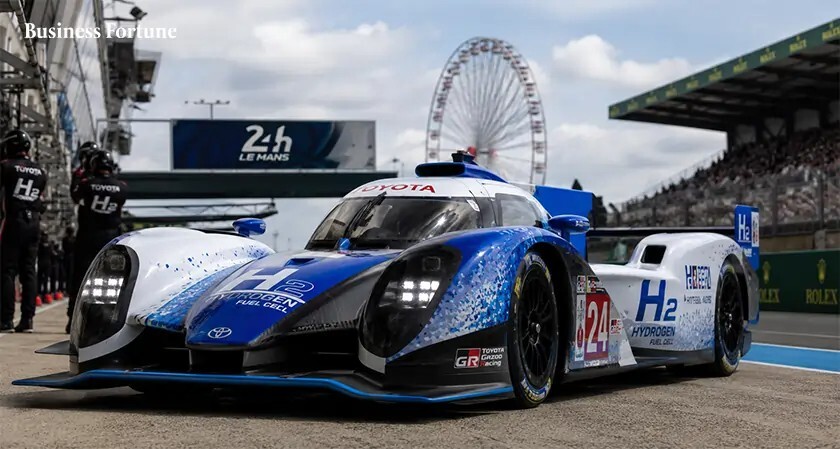
The future of sustainable motorsport is taking a significant step forward as Toyota Motor Corporation prepares to showcase its hydrogen-powered race car during its first public run at the legendary 24 Hours of Le Mans. The highly anticipated demonstration highlights Toyota’s commitment to exploring alternative energy technologies while maintaining the high-performance standards expected in competitive racing.
As the global automotive industry accelerates its transition toward cleaner mobility solutions, the debut of Toyota’s hydrogen-powered race car could mark an important milestone in the development of next-generation motorsport technologies.
A New Chapter for Sustainable Racing
Motorsport has long served as a testing ground for automotive innovation. Technologies first developed on racetracks often find their way into commercial vehicles years later.
Toyota’s hydrogen-powered race car demonstrates how manufacturers are exploring alternatives beyond traditional internal combustion engines and battery-electric systems. The project aims to prove that hydrogen technology can deliver both performance and sustainability in demanding racing environments.
The public appearance at Le Mans offers fans and industry observers a glimpse into what the future of motorsport could look like.
Why Hydrogen Is Gaining Attention
Hydrogen is increasingly being viewed as a promising component of the automotive industry's long-term sustainability strategy.
Potential advantages include:
- Rapid refueling times
- Reduced carbon emissions
- High energy density
- Long driving ranges
- Compatibility with various vehicle types
Unlike battery-electric vehicles that require charging infrastructure, hydrogen-powered vehicles can often be refueled in a matter of minutes, making them attractive for applications requiring continuous operation and high performance.
Toyota has been among the most active global automakers investing in hydrogen technology and fuel-cell innovation.
Le Mans: The Perfect Testing Ground
The 24 Hours of Le Mans is one of the most prestigious endurance racing events in the world. Known for testing vehicles under extreme conditions, the race has historically been a platform for groundbreaking automotive technologies.
Le Mans has helped introduce innovations such as:
- Hybrid powertrains
- Advanced aerodynamics
- Fuel efficiency improvements
- Lightweight materials
- Performance optimization systems
By presenting a hydrogen-powered race car at this iconic venue, Toyota is reinforcing the role of motorsport as a laboratory for future transportation solutions.
Toyota’s Long-Term Hydrogen Vision
Toyota has consistently advocated for a multi-pathway approach to achieving carbon neutrality.
Rather than focusing solely on battery-electric vehicles, the company continues investing in:
- Hydrogen fuel-cell technology
- Hydrogen combustion engines
- Hybrid vehicles
- Sustainable fuel research
- Advanced mobility solutions
The hydrogen race car project aligns with Toyota’s broader strategy of developing multiple technologies to meet varying transportation needs across different markets and industries.
Industry analysts view the initiative as an important demonstration of Toyota’s long-term commitment to hydrogen mobility.
Hydrogen Combustion and Fuel-Cell Technologies
Hydrogen-powered vehicles can generally utilize two primary approaches:
Hydrogen Fuel Cells
Fuel-cell systems generate electricity through a chemical reaction between hydrogen and oxygen, powering electric motors while producing water as the primary byproduct.
Hydrogen Combustion Engines
Hydrogen combustion technology uses modified internal combustion engines that burn hydrogen fuel instead of gasoline.
Both approaches offer potential environmental benefits while leveraging different engineering solutions.
Toyota’s motorsport programs are helping evaluate how these technologies perform under demanding real-world conditions.
Challenges Facing Hydrogen Adoption
Despite its potential, hydrogen technology faces several challenges that must be addressed before achieving widespread adoption.
These include:
- Limited refueling infrastructure
- Production costs
- Hydrogen transportation logistics
- Storage requirements
- Market scalability
Governments and industry leaders are investing heavily in infrastructure development and research to overcome these barriers.
Projects like Toyota’s hydrogen race car help generate valuable data that may accelerate technological improvements and broader industry adoption.
Motorsport as an Innovation Platform
Historically, racing has accelerated automotive innovation by pushing vehicles to their limits.
Technologies refined through motorsport often influence:
- Engine efficiency
- Safety systems
- Aerodynamic design
- Energy management
- Advanced materials
Hydrogen-powered racing provides engineers with opportunities to test components, optimize performance, and gather operational insights under extreme conditions.
The lessons learned from racing environments can contribute to the future development of commercial hydrogen-powered vehicles.
Sustainability and the Future of Mobility
The global automotive sector is under increasing pressure to reduce emissions and support climate goals.
Manufacturers are exploring a variety of solutions including:
- Electric vehicles
- Hydrogen-powered transportation
- Synthetic fuels
- Hybrid technologies
- Renewable energy integration
Many experts believe the future transportation ecosystem will likely include multiple technologies rather than a single dominant solution.
Hydrogen may play a particularly important role in sectors requiring:
- Long-distance travel
- Heavy-duty transportation
- Rapid refueling capabilities
- High-performance applications
Industry Interest Continues Growing
Hydrogen technology is attracting growing attention from:
- Automotive manufacturers
- Energy companies
- Governments
- Transportation providers
- Infrastructure developers
Investments in hydrogen production, storage, and distribution are increasing worldwide as countries seek to diversify clean energy solutions.
The success of demonstration projects and public showcases can help build confidence in hydrogen’s potential as part of the broader mobility transition.
What the Le Mans Debut Means
Toyota’s public demonstration at Le Mans is more than a motorsport event—it represents a statement about the future direction of automotive innovation.
The showcase provides an opportunity to:
- Demonstrate hydrogen performance capabilities
- Highlight sustainability initiatives
- Generate industry awareness
- Encourage infrastructure investment
- Advance public understanding of hydrogen technology
The event may also inspire further research and development efforts across the global automotive industry.
Conclusion
Toyota’s hydrogen-powered race car debut at Le Mans marks an exciting milestone in the evolution of sustainable motorsport and next-generation mobility. By bringing hydrogen technology to one of the world’s most demanding racing stages, Toyota is demonstrating that environmental responsibility and high performance can coexist.
While challenges remain regarding infrastructure and large-scale adoption, the project highlights the growing role hydrogen may play in the future transportation landscape.
As automakers continue exploring innovative pathways toward carbon neutrality, developments like this reinforce the importance of technological diversity in building a cleaner, more sustainable mobility future.
👉 Read the complete published article here: https://bizfortune.com/2026/06/toyota-hydrogen-powered-race-car-at-le-mans
👉 Follow Business Fortune for the latest updates on automotive innovation, sustainable technology, clean energy, and global industry trends.