Trail of the Fijian Warrior: Discover Fiji's Ancient Routes
-

- Published Updated
- 1,704 views
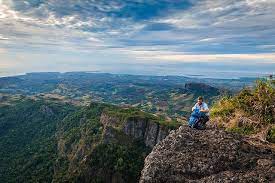
Fijian warrior trails thread through islands, ridgelines, and river valleys, preserving pathways used for travel, trade and conflict across generations. These routes—collectively referred to here as Fijian warrior trails—offer hikers a chance to connect with Pacific Island landscapes and the cultural histories of iTaukei (indigenous Fijian) communities.
Fijian warrior trails are traditional paths across Fiji that served practical and strategic roles. Visitors should approach these routes with cultural respect, local permission where required, and appropriate safety measures. Key resources include local communities, the Fiji Museum, and academic work from the University of the South Pacific. One UNESCO site connected to Fiji’s colonial and trade history is Levuka Historical Port Town (UNESCO: Levuka).
Fijian warrior trails: history and typical routes
Across Fiji, ancient trails linked villages, agricultural zones, and strategic lookout points. Many paths predate European contact and were maintained as part of communal life. In times of inter-chief warfare, some tracks were used by warriors to move quickly through interior forests or along coastal ridges. Today these routes vary from well-trodden coastal paths to faint jungle tracks that require navigation and local knowledge.
Archaeological and oral evidence
Archaeologists and anthropologists have combined material remains with oral histories to map former travel corridors. Excavations and surveys conducted by regional institutions such as the University of the South Pacific and local researchers have identified stone alignments, terracing, and waymarkers that align with traditional accounts. Oral traditions recorded by the Fiji Museum and community elders help interpret the social and ceremonial roles of many routes.
Common areas to explore
Some better-known areas where historic trails can be explored include coastal and interior tracks on Viti Levu and Vanua Levu, river valleys such as the Sigatoka and Navua, and the old port and town approaches around Levuka on Ovalau. Conditions and access vary widely: some trails are integrated into modern park systems or community eco-tourism, while others cross private land or customary land where permission is required.
Planning a hike on Fijian warrior trails
Permissions and local engagement
Many ancient trails cross iTaukei customary land. Contacting village authorities and seeking permission before entering is a common and respectful practice. Local guides often provide navigation help and cultural context; hiring a guide can support local economies and improve safety, especially in dense forest terrain.
Safety and gear
Expect tropical conditions—heat, humidity, frequent rain, and sudden changes in weather. Pack sun protection, rain gear, insect repellent, a reliable map or GPS device, sufficient water, and sturdy footwear. Many interior trails lack cell coverage. Inform someone of planned routes and estimated return times. Mountain streams and river crossings can be hazardous after heavy rain.
Navigation and seasonal considerations
Trail conditions depend on season. The drier months (typically May to October) usually offer easier hiking conditions, while the wet season brings dense foliage and slippery ground. Elevation changes on interior ridgelines can be strenuous; allow extra time for slower terrain and cultural stops.
Conservation, culture, and responsible travel
Cultural etiquette
Respect for local customs is essential. Follow guidance from village leaders, avoid entering structures or tapu (restricted) sites without explicit permission, and observe customary practices around dress and behavior. Gifts or modest contributions to host communities are sometimes appropriate; ask local hosts for guidance on suitable gestures.
Environmental protection
Many trails intersect sensitive ecosystems. Follow leave-no-trace principles: carry out all rubbish, avoid disturbing wildlife, and stick to established tracks when possible. Some areas are monitored by government agencies or community conservation groups; information and permits may be required for protected zones.
Research and verification
For historical background and stewardship practices, consult published work by regional academic institutions and cultural organizations such as the Fiji Museum and the University of the South Pacific. Official site listings (for example, the Levuka Historical Port Town record on UNESCO) can provide context regarding colonial-era routes and protected areas.
Getting started: resources and tips
- Contact local tourism offices or village councils before planning a trek.
- Hire an experienced local guide who knows both navigation and cultural protocols.
- Carry printed maps and have contingency plans for weather or medical needs.
- Learn basic iTaukei greetings and customs to show respect to hosts.
Frequently asked questions
What are Fijian warrior trails and where can they be found?
Fijian warrior trails are traditional paths across Fiji used historically for travel, trade, and movement by warriors and communities. They are found across the main islands—especially Viti Levu and Vanua Levu—as well as smaller islands where ridgelines and river valleys provided natural corridors. Access varies by location and may require local permission.
Is it safe to hike these trails without a guide?
Safety depends on the trail and experience level. Many routes require local knowledge due to faint signage, river crossings, and unpredictable weather. Hiring a local guide is recommended for unfamiliar or remote trails.
Are permits required to hike ancient trails in Fiji?
Permits are sometimes required for protected areas or when crossing customary land. Always check with village authorities or government offices for specific requirements before beginning a hike.
Which organizations provide reliable information about cultural routes in Fiji?
Reliable sources include the Fiji Museum, academic publications from the University of the South Pacific, and official government or conservation agencies. UNESCO listings can provide context for historically significant sites.