Travel Agency Chatbots: Enhancing Customer Service, Bookings, and Efficiency
-

- February 23rd, 2026
- 1,215 views

FREE SEO Topical Map Generator: Find Your Next Content Ideas
Travel agency chatbots are being adopted across the travel industry to improve customer service, streamline bookings, and provide 24/7 support through conversational interfaces powered by AI and natural language processing.
Travel agency chatbots use artificial intelligence to handle routine inquiries, assist with reservations, deliver personalized recommendations, and transfer complex issues to human agents. Typical benefits include faster response times, higher availability, reduced operating costs, and improved customer satisfaction. Successful deployment requires attention to data privacy regulations, integration with booking and CRM systems, multilingual capabilities, and measured performance using clear KPIs.
Benefits of travel agency chatbots for customer service
24/7 availability and faster response
Chatbots provide round-the-clock assistance for common customer needs such as checking flight status, confirming reservations, and answering policy questions. Automated responses reduce wait times for routine queries and free human agents to focus on high-value or complex tasks.
Streamlined booking and itinerary management
When integrated with reservation systems, chatbots can guide users through booking steps, apply fare rules, and provide itinerary summaries. Automation reduces manual entry errors and can speed up the purchase path, increasing conversion rates for online bookings.
Personalization and multilingual support
Modern chatbots use customer profiles, previous itineraries, and contextual signals to offer tailored recommendations, such as destination suggestions, upgrade options, or ancillary services. Natural language processing (NLP) and machine translation features enable support in multiple languages, improving accessibility for diverse travelers.
Scalability and cost efficiency
Chatbots scale easily to handle spikes in demand during travel disruptions or peak booking periods. By automating high-volume, low-complexity interactions, agencies can manage costs while maintaining consistent service levels across channels like web chat, messaging apps, and voice assistants.
How chatbots work in travel agency operations
Natural language processing and intent recognition
Natural language processing lets chatbots interpret user inputs and map them to intents such as "check-in," "change reservation," or "refund request." Machine learning models improve accuracy over time by learning from conversations and feedback.
Integration with booking engines and CRMs
Effective chatbots connect to back-end systems including global distribution systems (GDS), online booking engines, and customer relationship management platforms. Integration enables real-time access to inventory, pricing, passenger data, and loyalty information needed to complete transactions and offer personalized service.
Omnichannel presence and handoff to human agents
Deploying chatbots across web, mobile apps, messaging platforms, and voice interfaces creates a seamless customer journey. Clear escalation rules are essential so that conversations requiring empathy, complex problem-solving, or regulatory checks are transferred promptly to trained staff.
Implementation considerations and compliance
Data privacy and regulatory compliance
Travel agencies must handle personal data responsibly. This includes adherence to data protection rules such as the General Data Protection Regulation (GDPR) in the EU, and any sector-specific regulations. Policies should cover data minimization, retention, consent management, and secure storage. Industry guidance from regulators and tourism authorities can inform compliance strategies.
Designing useful conversational experiences
Successful chatbots employ clear dialogues, simple prompts, and fallbacks for misunderstood inputs. UX testing with real customers helps identify friction points. Transparent language about what the bot can and cannot do, plus visible options to reach a human agent, improves trust.
Monitoring, training, and bias mitigation
Continuous monitoring of conversations enables refinement of NLP models and identification of common issues. Training data should be diverse to avoid biased responses. Regular audits help maintain accuracy and fairness across languages and user groups.
For broader industry context on digital transformation in tourism, authoritative resources such as the UN World Tourism Organization publish research and policy guidance that can inform strategic planning.
Measuring impact: KPIs and outcomes
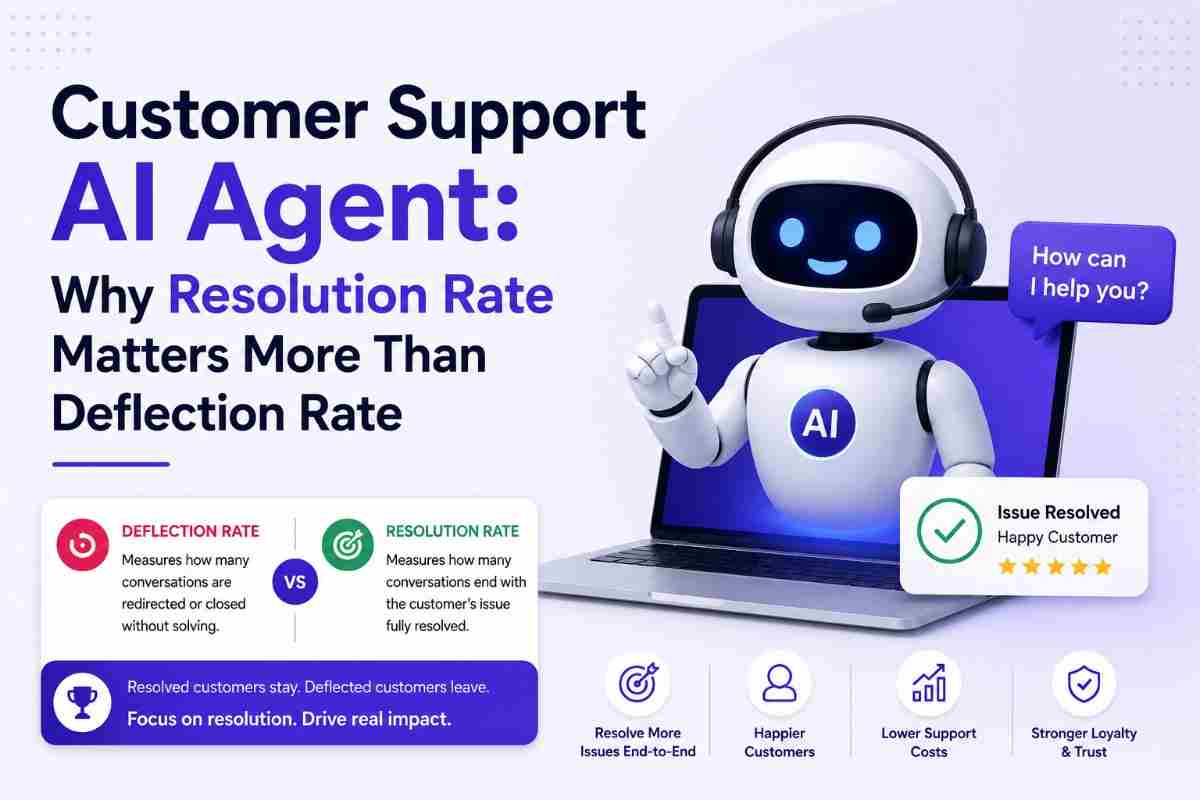
Customer satisfaction and resolution rates
Key metrics include customer satisfaction scores (CSAT), first-contact resolution rate, and average response time. Tracking these measures shows whether the chatbot improves perceived service quality compared with traditional channels.
Conversion and revenue-related metrics
Metrics such as booking completion rate, average booking value, and cross-sell conversion can indicate how well a chatbot supports commercial objectives. Attribution models help separate bot-driven conversions from other channels.
Operational efficiency
Evaluate cost per interaction, reduction in agent workload, and time saved on routine tasks. These operational KPIs support decisions about scaling, staffing, and further automation investments.
Common challenges and mitigation strategies
Handling complex or unexpected requests
Some traveler issues require nuanced judgment or real-time coordination. Clear escalation paths and hybrid workflows that combine automated triage with human intervention reduce risk and improve outcomes.
Maintaining up-to-date information
Accurate, real-time data on fares, schedules, and entry requirements is essential. Integrations with authoritative data feeds and frequent synchronization reduce the risk of providing outdated guidance.
User trust and transparency
Transparency about data use and the bot's capabilities, plus accessible privacy policies and contact options, strengthen user trust. Testing and user feedback loops help align the chatbot's tone and behavior with customer expectations.
Frequently asked questions
Are travel agency chatbots secure and compliant with data protection laws?
Security and compliance depend on design choices: secure communication channels, encryption, access controls, data minimization, and documented consent processes are foundational. Agencies should align practices with applicable laws such as the GDPR and consult legal or compliance teams when building chatbot workflows.
Can chatbots handle booking changes and refunds?
When integrated with reservation and payment systems, chatbots can initiate booking modifications, display change fees, and begin refund processes. Final approval or tasks that require verification often involve human agents to confirm identity and apply discretionary policies.
Do chatbots replace human customer service agents?
Chatbots complement human teams by automating routine tasks and scaling support. They are best used in hybrid models that delegate complex, sensitive, or high-value interactions to trained agents while the bot handles high-volume, low-complexity requests.
How long does it take to deploy a travel chatbot?
Time to deploy varies with complexity: a basic FAQ bot can be launched in weeks, while a fully integrated conversational agent with booking capabilities, multilingual support, and regulatory safeguards may take several months including testing and training.