Upgrading Your Truck Licence: The Bigger Roads an MC Ticket Can Open
-

- Published Updated
- 1,762 views
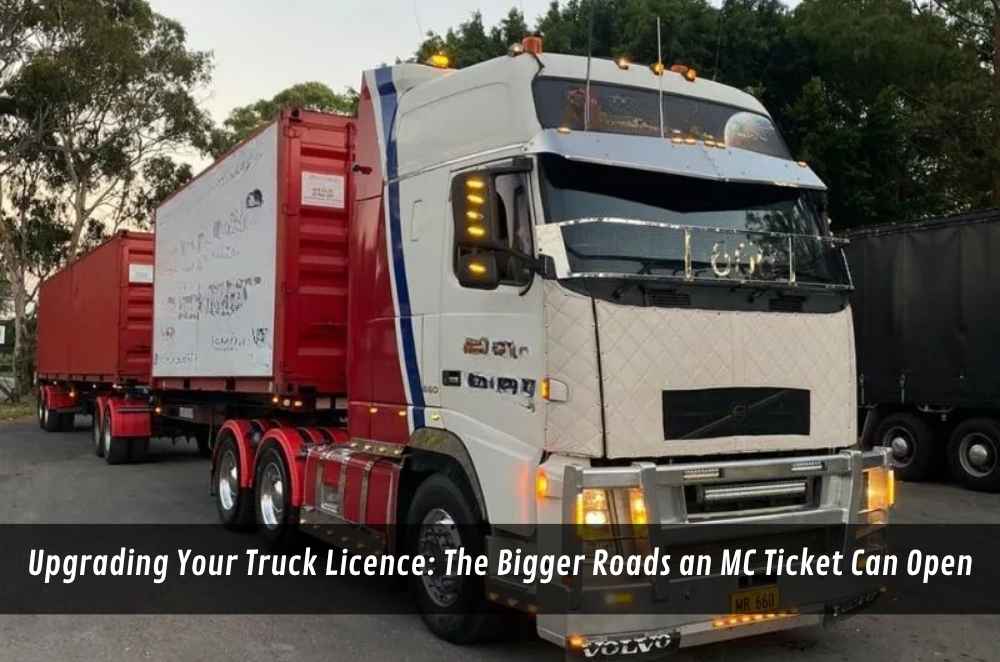
Road freight in Australia keeps expanding, and so do the vehicles hauling it. Super B-doubles, AB-triples and road trains are no longer limited to the outback; they’re increasingly common on east-coast corridors that feed Sydney’s warehouses and ports. For drivers, that shift translates into one clear opportunity: step up to an MC (multi-combination) licence and you step into a larger slice of the job market.
What Makes an MC Licence Different?
You may already hold an HC or HR ticket and feel comfortable backing a semi into a tight loading dock. An MC licence is the next rung, covering any combination with more than one trailer—double or triple road trains included. Because the risk profile is higher, Transport for NSW insists on extra training and strict assessment. A quality course will weave together gearbox management, advanced coupling techniques, tiered load restraint and long-combination route planning.
Most accredited schools compress that content into three to five intensive days. Courses are an investment, but completing a multi combination truck licence program can lift earning potential and widen the geographic net for work.
Where the Career Doors Start To Open
Logistics firms operating out of Western Sydney distribution hubs keep a running shortlist of MC-qualified drivers. Moving containers from Port Botany to intermodal terminals, shuttling grain to Newcastle, or hauling fuel into regional depots—all require the higher licence class. Recruiters often mention pay rates nudging ahead of HC roles, especially for night runs when double combinations maximise efficiency.
Beyond the pay bump, there’s job security. When a contractor bids on a major supermarket or mining haulage contract, they prefer drivers who can handle any combination the contract might specify later. Holding an MC ticket signals flexibility and future-proofs your résumé.
Not everyone craves longer rigs, of course. You’ll work odd hours and manage more fatigue paperwork. The trade-off is deciding what balance of freedom, challenge and income suits you.
Skills and Mindset Before You Book the Course
Stepping up isn’t just about ticking a box on your licence. You’ll juggle split gear-changes on grades, watch two pivot points in the mirrors, and judge extra swing-out when turning through suburban roundabouts. Confidence with reversing is non-negotiable; many assessors fail candidates on lack of trailer control rather than forward driving errors.
Brush up on these areas before enrolment:
Low-speed manoeuvring with a dolly trailer
Active load-restraint calculation (chains versus webbing straps)
Reading PBS (Performance-Based Standards) route maps to avoid height and length restrictions
If you’d like a more detailed refresher on chain-of-responsibility obligations, the mid-year post on the publisher’s own site, Understanding Fatigue Rules Before Your First Long Combination Run, is worth bookmarking.
The Steps From Application to Open Road
Confirm you have held an unrestricted Class HC licence for at least 12 months.
Complete the RMS knowledge test and obtain an MC learner’s logbook.
Enrol with an RTO approved for Heavy Vehicle Competency Based Assessment (HVCBA).
Log compulsory training hours, then undertake the final drive and off-road skills test.
Take the completed logbook to a Service NSW centre for licence issue.
Training providers set their own course fees. Expect a figure in the low thousands, depending on whether you need weekday or weekend sessions and whether the truck is auto-shift or manual constant-mesh. Some employers reimburse successful candidates after probation, so check your award or enterprise agreement.
Staying Compliant on NSW Roads
Once the plastic card is in your wallet, the learning curve continues. Transport for NSW periodically updates heavy-vehicle access notices; the routes you drove last quarter may change overnight. Keep up with the NSW heavy vehicle licence information page and subscribe to freight network alerts so detours never catch you off guard.
Electronic work diaries (EWDs) are now accepted substitutes for written logbooks nationwide. If your employer adopts EWDs, familiarize yourself before your first roster. Incorrect status changes can still land you a penalty notice even though the technology automates calculations.
Parting Note on the Open Road
An MC licence is not a golden ticket—but it is a solid step toward larger payloads, specialist contracts and higher day rates. For Sydney drivers eyeing inter-state work or simply wanting to future-proof their career, the upgrade makes tangible sense. Gather the right hours, pick a trainer with modern combinations, and treat the assessment as a professional audit rather than a hurdle. The extra trailers behind you will soon feel like second nature.
FAQs
How long does MC training usually take?
Most RTOs offer a three to five-day program, including assessment. Timelines stretch if you need extra practice hours.
Do I need to supply my own truck for the test?
No. Approved training schools provide suitable vehicles that meet RMS test standards.
Will an automatic restriction limit my job options?
Some fleets run auto-shift only, but many rural and mining contracts still specify crash-box competence. Manual accreditation keeps more doors open.
Can interstate residents sit the MC course in NSW?
Yes, but you must convert your home-state licence to an NSW equivalent before commencing HVCBA training.