Certificate Attestation Services: Trusted Solutions and Practical Checklist
-

- Published Updated
- 478 views
Detected intent: Informational
Certificate attestation services help confirm the authenticity of academic, civil, and commercial documents for use abroad. This guide explains how certificate attestation services work, how they differ from apostille and embassy legalization, and provides a practical ATTEST checklist to get documents accepted by foreign authorities.
- Certificate attestation verifies documents for cross‑border use through notarization, government authentication, and embassy or consulate legalization or apostille.
- Use the ATTEST checklist (Authenticate → Translate → Target → Track → Submit → Endorse & Verify) for consistent results.
- Common hurdles include missing signatures, wrong authority sequence, and incorrect translations—plan lead times of days to weeks depending on jurisdictions.
Understanding certificate attestation services
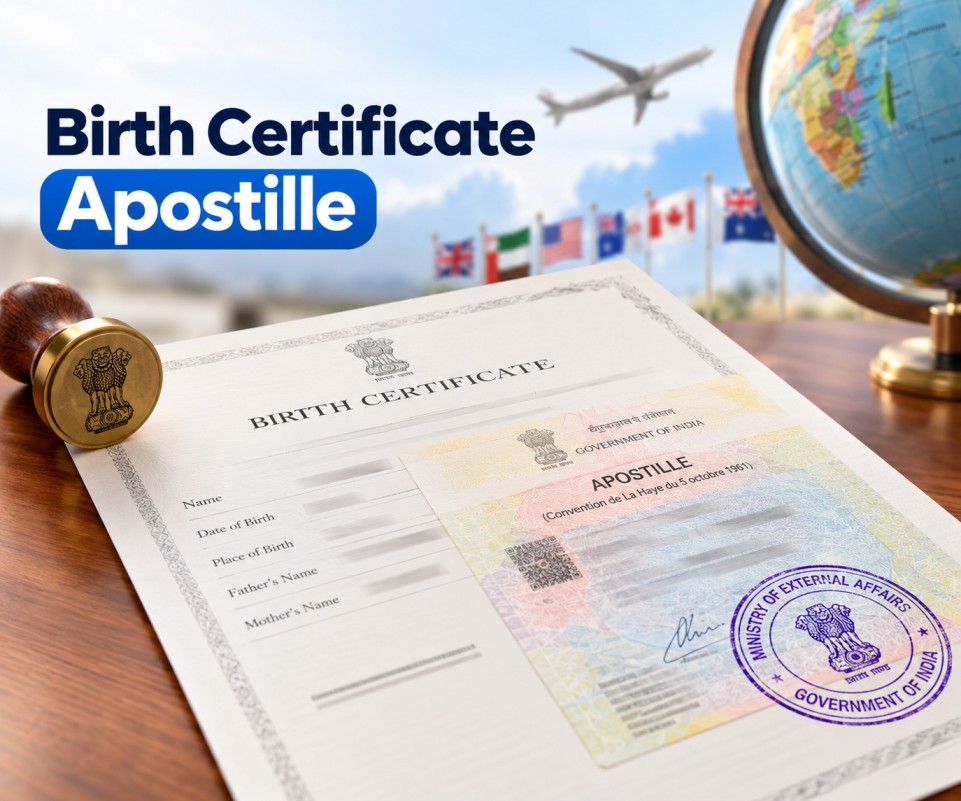
Certificate attestation services are specialized processes that confirm a document's legitimacy for acceptance by foreign agencies, employers, or educational institutions. Typical targets include school transcripts, diplomas, birth and marriage certificates, commercial invoices, and power of attorney documents. Attestation can mean different things depending on destination country law: apostille under the Hague Apostille Convention, embassy legalization, or specific ministry-level authentication.
Key terms and related entities
Relevant terms and authorities include notarization, apostille, legalization, embassy/consulate, Ministry of External Affairs (or equivalent), and international conventions such as the Hague Apostille Convention. For official guidance on authentication for use abroad, see the U.S. Department of State’s overview of document authentication: U.S. Department of State – Authentication of Documents.
When and why choose certificate attestation services
Attestation is required when a receiving authority in another country requires proof that a document issued in one jurisdiction is genuine. Common situations:
- Employment abroad: employers or immigration authorities require authenticated educational certificates.
- Higher education: universities require verified transcripts and diplomas for admission or credit transfer.
- Legal and business transactions: foreign courts, banks, or government departments may require attested powers of attorney or commercial paperwork.
ATTEST checklist: a named framework for consistent results
Use the ATTEST checklist as a practical model to prepare documents for attestation.
- A — Authenticate: Obtain original notarization or issuing authority certification (university seal, civil registry stamp).
- T — Translate: If the destination country requires a translated text, use a certified translator and attach the translation to the original.
- T — Target: Identify whether the destination requires apostille or embassy legalization and which local ministries must authenticate first.
- E — Expenses & Track: Confirm fees, photocopy requirements, and tracking timeframes; allow buffer for consulate appointments.
- S — Submit: Submit documents to the required domestic authorities in correct order (notary → state/county → foreign affairs ministry → embassy/consulate or apostille office).
- T — Test & Verify Endorsement: Verify each stamp or signature against the receiving authority’s checklist before final submission.
Practical steps: how to get a certificate attested
Follow these procedural steps for reliable outcomes:
- Confirm the receiving authority’s exact attestation requirements (apostille vs. legalization, translations, original vs. certified copy).
- Obtain any required notarization or certificates from the issuing institution.
- Complete state/provincial authentication if the jurisdiction requires it, then the national foreign affairs ministry authentication or apostille.
- If apostille is accepted, secure an apostille from the designated authority in the issuing country. If not, obtain embassy/consulate legalization from the destination country’s mission.
- Keep certified copies and track shipments; request return of originals only when safe to do so.
Real‑world example
A graduate from India needs a degree attested for employment in the UAE. Steps taken: obtain university degree and transcript originals, notarize copies, get state‑level authentication if required, obtain Ministry of External Affairs (India) authentication, then submit to the UAE embassy in India for legalization (or apostille if the destination accepted it). The employer then accepts the attested documents as proof of qualification.
Practical tips for smoother attestation
- Check requirements with the receiving institution first—rules vary by country and by document type.
- Start early: allow extra time for consular appointments, backlogs, and postal delays.
- Use certified translators and keep originals and certified copies organized in sequence of required stamps.
- Request a checklist from the embassy or the foreign employer/university and verify every signature against that checklist.
Common mistakes and trade‑offs
Common mistakes include submitting unsigned or incorrectly certified documents, skipping the correct sequence of authorities, and relying on an apostille in countries that require consular legalization. Trade‑offs often involve time versus convenience: expedited agency services cost more but reduce delay; using a third‑party service can simplify logistics but requires careful vetting for reliability.
Core cluster questions
- How long does certificate attestation take?
- What is the difference between an apostille and embassy legalization?
- Which authorities must sign academic certificates for international use?
- Can attested documents from one country be reused in other countries?
- What supporting documents are usually required for attestation?
Final checks before submission
Confirm that each stamp, seal, or apostille matches official guidance from the issuing authority. Retain digital copies and a signed receipt when possible. When hiring a service provider, require a written scope of work and timelines to reduce risk.
Frequently asked questions
What are certificate attestation services and how do they work?
Certificate attestation services coordinate notarization, government authentication, and embassy/consulate legalization or apostille to prove a document's authenticity abroad. The provider guides the document through the correct authorities in the required order and returns the attested document to the applicant.
How long does certificate attestation typically take?
Processing time varies by country and authority: expect anywhere from a few days to several weeks. Factors include appointment availability, whether translation or state-level authentication is required, and courier transit time.
What's the difference between apostille vs attestation?
An apostille is a single certification under the Hague Apostille Convention accepted by member countries. Attestation (or consular legalization) is the alternative process for countries not party to the Hague Convention and usually requires embassy or consulate stamps in addition to national authentication.
What mistakes should be avoided when preparing documents for attestation?
Avoid missing signatures, wrong order of authentication, uncertified translations, and relying on outdated checklists. Verify requirements with the receiving authority and keep a timeline for each step.
Can attested documents be translated and used for multiple applications?
Yes, but translations often must be certified and attached to the original attested document. Some authorities require fresh attestations for new submissions or copies; check the receiving institution's rules before reusing attested documents.