How UK Restaurants Can Compare Bank Loans and Overdrafts to Support Cash Flow
-

- Published Updated
- 1,420 views
Running a restaurant in the UK often requires short-term working capital and longer-term investment. Understanding bank loans and overdrafts helps operators choose the right finance for cash flow, equipment, renovation or seasonal demand.
- Bank loans provide fixed amounts over set terms; overdrafts offer flexible, short-term borrowing linked to a bank account.
- Costs, security, and eligibility differ; lenders consider turnover, trading history and personal guarantees.
- Compare interest rates, fees and covenants, and maintain clear cash-flow forecasts before borrowing.
Bank loans and overdrafts: what UK restaurants need to know
Bank loans and overdrafts are common options for restaurants in the UK seeking finance. A business loan usually delivers a set capital amount repaid over months or years, while an overdraft is a revolving facility attached to a bank account that allows temporary negative balances. Each option suits different needs: loans for capital projects or equipment, overdrafts for short-term cash-flow gaps.
Types of finance commonly used by restaurants
Term loans
Term loans are structured with a fixed or variable interest rate and scheduled repayments. They are often used for fit-outs, major equipment purchases, or premises refurbishment. Lenders may require security such as a charge on business assets or a personal guarantee from directors.
Overdrafts
Overdrafts provide flexibility to cover periods when outgoings exceed takings, such as during low season or unexpected drops in trade. Interest is typically charged only on the overdrawn amount, but facilities often carry arrangement fees and limits tied to account conduct.
Other short-term options
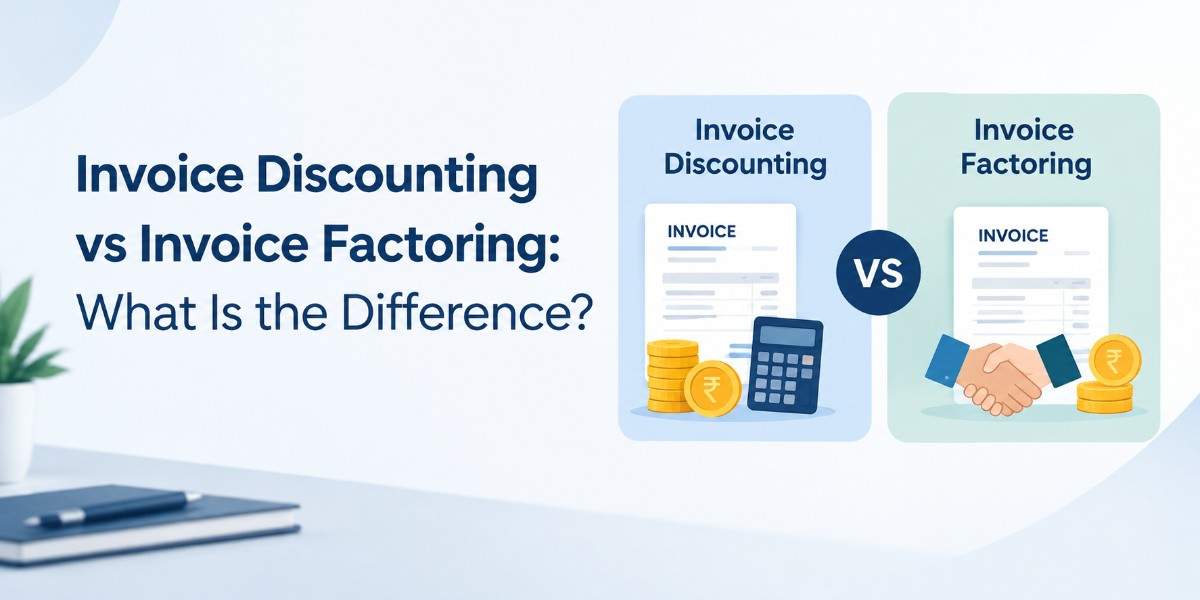
Alternatives include invoice financing, merchant cash advances, and trade credit. These can be more expensive than traditional bank lending and often come with different contractual terms. Invoice factoring uses unpaid invoices as collateral, which may affect customer relationships.
Eligibility and documentation for restaurant borrowing
Key lender criteria
Lenders typically assess: trading history, turnover, profit margins, cash-flow forecasts, business plan, and credit history of the business and directors. New businesses or recent startups may face stricter conditions or higher costs.
Common documents required
Usual documentation includes recent bank statements, management accounts, projected cash-flow statements, tax filings (e.g., VAT and Corporation Tax records), and proof of identity for directors. Preparing clear financials reduces delays in application assessments.
Costs, terms and risks to consider
Interest, fees and covenants
Compare annual percentage rates (APRs), arrangement fees, renewal charges and penalty fees for late payments. Some loans or overdrafts include covenants—financial conditions that must be met during the term (for example, maintaining a minimum interest cover ratio).
Security and personal guarantees
Restaurants may be asked to provide security such as landlord approval, equipment charges, or personal guarantees from owners. Personal guarantees can expose directors to personal liability if the business cannot meet obligations.
Operational risks
Borrowing increases fixed costs. If sales decline or unexpected costs arise, servicing debt can pressure margins. Regular monitoring of gross margin, food cost percentage, labour cost and turnover is essential to manage debt sustainably.
Managing borrowing and improving the application outcome
Prepare a realistic cash-flow forecast
A rolling cash-flow forecast that models several scenarios—including low and high trade periods—demonstrates understanding of seasonality and risk to lenders. Include assumptions about food costs, staffing, rent and utilities.
Maintain accurate records and banking history
Consistent bookkeeping, up-to-date VAT returns and bank accounts in good standing support stronger applications. Lenders place weight on how well the business manages day-to-day banking and supplier payments.
Negotiate terms and shop around
Request detailed schedules of fees and confirm the process for changing facility limits. Different banks and finance providers can offer varied pricing and flexibility; consider independent advice from an accountant or an accredited business adviser before committing.
Where to find official guidance and support
Regulatory bodies and official agencies provide information on business finance, lender conduct and insolvency options. Useful sources include the Bank of England, the Financial Conduct Authority and HM Revenue & Customs. A central government service lists available business finance schemes and guidance for small firms: UK government business finance support.
Practical next steps for restaurant operators
Assess needs and timing
Identify whether the requirement is short-term working capital or long-term investment. Overdrafts typically suit timing gaps; loans suit capital expenditure that generates returns over time.
Compare offers and read terms carefully
Request illustrative repayment schedules and total cost of credit. Check for clauses about renegotiation, early repayment charges or events that could trigger default.
Seek professional input if uncertain
Consult an accountant or regulated adviser for clarity on tax implications, security arrangements and the effect on owner liabilities. This is general information and does not constitute regulated financial advice.
Frequently asked questions
What are the main differences between bank loans and overdrafts?
Bank loans provide a fixed amount repaid over a set term with scheduled repayments; overdrafts are flexible facilities attached to a current account that allow temporary borrowing up to an agreed limit. Loans are suited to planned capital expenditure, while overdrafts address short-term cash-flow gaps.
How can a small restaurant improve the chance of loan approval?
Maintain clear and accurate financial records, prepare realistic cash-flow forecasts, demonstrate consistent bank account conduct, and be ready to show how borrowed funds will support revenue or efficiency improvements.
Are personal guarantees common for restaurant borrowing?
Yes. Lenders often ask for personal guarantees or security for small business lending. Understand the legal and personal liability implications before agreeing to guarantee facilities.
Can seasonal restaurants rely on an overdraft every year?
Overdrafts can work for predictable seasonal cycles, but relying solely on overdrafts carries the risk of renewal refusal or changing terms. Consider combining short-term facilities with longer-term planning to reduce exposure.
Where to check rules for conduct and complaints about lenders?
Regulatory information and dispute resolution guidance are available from the Financial Conduct Authority and the Financial Ombudsman Service. For government-backed schemes and official guidance, consult the UK government business finance resources linked above.