Effective Underarm Whitening Solutions in Dubai: Safe, Clinically Informed Options
-

- May 01st, 2026
- 1,656 views
Introduction
Underarm whitening is a common concern for people seeking more even skin tone in the axillary area. In Dubai's diverse aesthetic market, a range of topical, procedural, and lifestyle options is available. This article summarizes evidence-informed approaches, safety considerations, and how to evaluate clinics and practitioners.
- Causes of underarm darkening include friction, post-inflammatory hyperpigmentation, hair removal methods, acanthosis nigricans, and certain deodorants or medications.
- Common treatments: topical lightening agents, mild chemical peels, laser or IPL therapies, and addressing underlying skin conditions.
- Safety: seek licensed dermatology practitioners; check credentials like Dubai Health Authority (DHA) registration; follow product concentration and usage guidance.
Underarm whitening: common causes and initial steps
Darkening of the underarm skin can result from several factors: repetitive friction from clothing, shaving irritation, post-inflammatory hyperpigmentation after waxing or ingrown hairs, hormonal changes, and certain metabolic conditions such as acanthosis nigricans. Identifying the underlying cause is a priority before selecting a whitening strategy. A licensed dermatologist or skin expert in Dubai can perform a clinical assessment and recommend appropriate testing if a systemic cause is suspected.
Topical treatments
Hydroquinone and regulated lightening agents
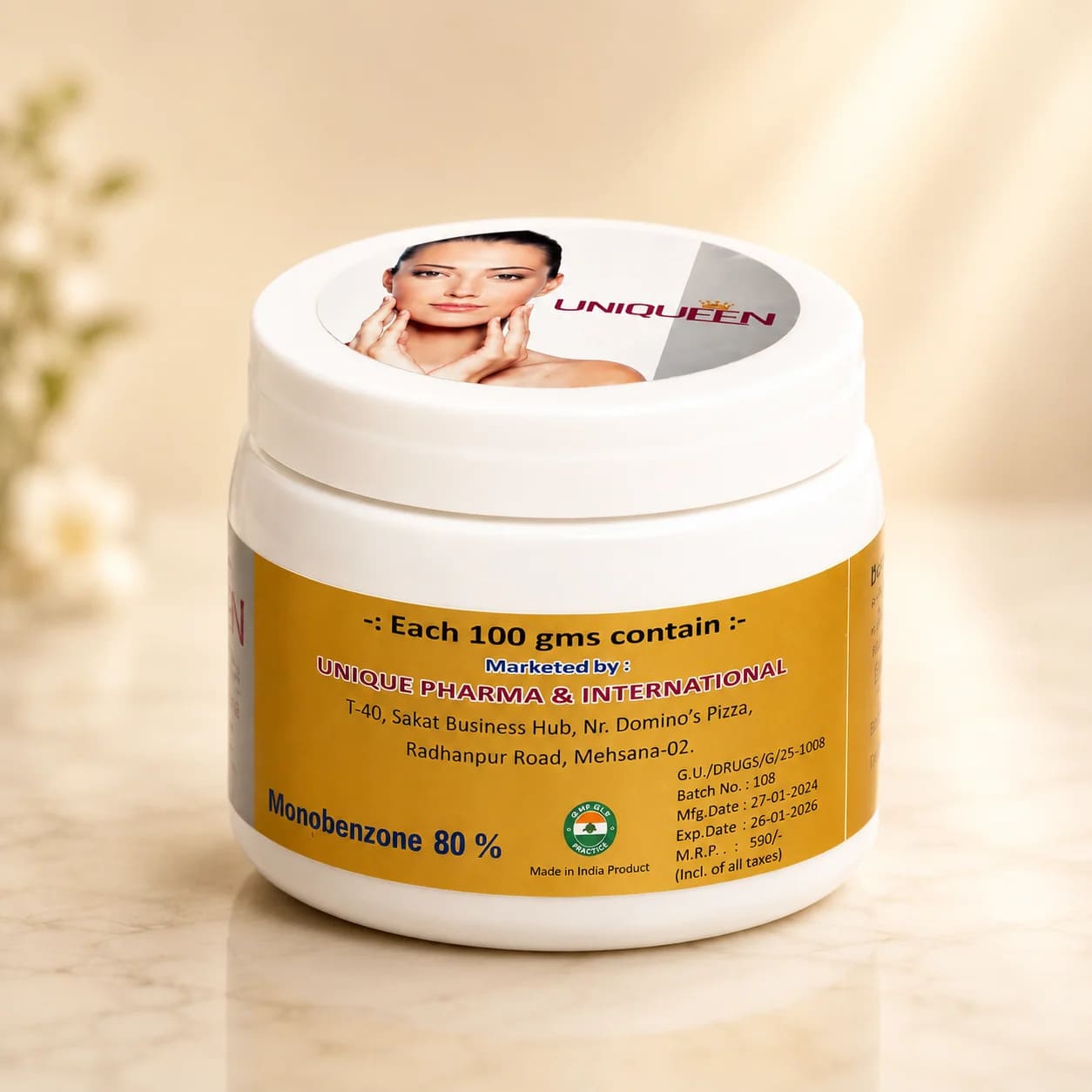
Hydroquinone has been used as an effective depigmenting agent at regulated concentrations in many countries. Local regulations and recommended durations vary; misuse can cause irritation or paradoxical darkening. Alternative active ingredients include azelaic acid, kojic acid, niacinamide, tranexamic acid, and low‑concentration retinoids, which often appear in over-the-counter or prescription formulations.
Exfoliating acids and barrier care
Mild alpha-hydroxy acids (glycolic, lactic) and beta-hydroxy acids (salicylic) can reduce surface pigmentation by promoting gentle exfoliation. Concurrent use of moisturizers that support the skin barrier helps reduce irritation, which otherwise can worsen pigmentation. Patch testing a new topical product is recommended to detect sensitivity before broader use.
Procedural options available in Dubai
Chemical peels
Superficial chemical peels using glycolic acid or low-concentration trichloroacetic acid are used to treat mild hyperpigmentation. Procedures should be performed by trained professionals to manage concentration, exposure time, and follow-up care to lower risk of irritation and uneven results.
Laser and IPL therapies
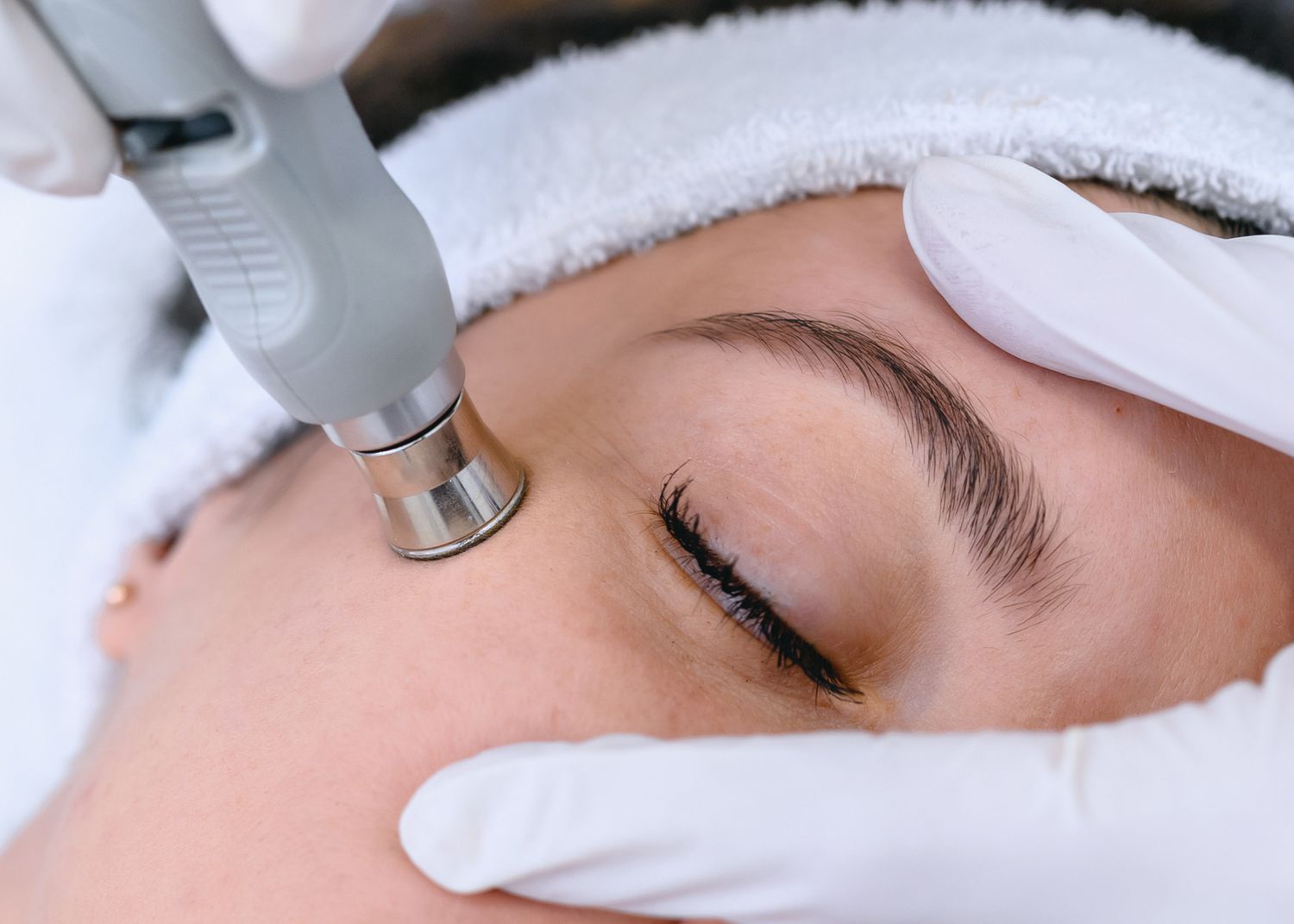
Laser resurfacing and intense pulsed light (IPL) treatments can target pigmentation and improve texture. Outcome depends on skin type, pigment depth, and device settings. Multiple sessions are often needed, and darker skin types require conservative protocols to avoid post-procedure hyperpigmentation. Confirm practitioner experience with darker phototypes and ask about test spots before full treatment.
Combined approaches
Some clinics combine topical regimens with in‑office peels or laser sessions to enhance results. Coordination of treatments and conservative progression is advised to reduce cumulative irritation.
Non-procedural strategies and daily care
Hair removal choices
Shaving can cause micro-injury and ingrown hairs that lead to post-inflammatory darkening. Alternatives include professional laser hair reduction or careful waxing performed by trained technicians. Each method has trade-offs; discuss risks and benefits with a qualified provider.
Deodorants, fabric, and friction
Some deodorants and antiperspirants contain irritants or fragrances that exacerbate pigmentation in sensitive individuals. Choosing fragrance‑free products and reducing friction from tight clothing can help. Keeping the area clean and dry while avoiding harsh scrubs is also supportive of recovery.
Safety, regulation, and choosing a clinic
Dubai has licensed healthcare regulators such as the Dubai Health Authority (DHA) that set standards for clinics and practitioner credentials. When considering treatments, verify that a dermatologist or licensed practitioner will perform the evaluation and procedures. Look for clear consent processes, before-and-after documentation, and explanations of expected outcomes, risks, and aftercare.
For general guidance on dermatologic treatments and when to see a specialist, professional organizations such as the American Academy of Dermatology provide patient information and resources. Local clinic accreditation and practitioner DHA registration are important trust signals in the UAE.
What results and timelines to expect
Timelines vary by treatment: topical agents may show gradual improvement over weeks to months; peels and lasers can yield faster visible change but often require multiple sessions spaced over weeks. Maintenance measures and sun protection help preserve results. Realistic expectations and follow-up with a clinician reduce the likelihood of dissatisfaction.
Cost considerations
Costs in Dubai vary based on clinic reputation, procedure type, and number of sessions. Non-prescription topical products are generally lower cost, while professional peels and laser courses are more expensive. Request itemized estimates and information on package pricing and follow-up visits before committing.
Key takeaways
- Identify underlying causes of underarm darkening before starting treatments.
- Consider regulated topical agents, gentle exfoliation, and in‑office procedures when appropriate.
- Verify practitioner credentials and clinic accreditation in Dubai; prioritize safety and conservative protocols, especially for darker skin types.
- Expect gradual improvement and the need for maintenance; lifestyle changes can support long-term outcomes.
Further reading and professional resources
For reliable clinical and patient-oriented information, consult licensed dermatology sources and local health regulators such as the Dubai Health Authority. Professional society guidance can clarify risks and standard practices for skin-lightening treatments.
FAQ: What is underarm whitening and how safe is it?
Underarm whitening refers to methods used to reduce visible darkness in the axillary skin. Safety depends on the chosen method, correct diagnosis of the cause, practitioner experience, and adherence to regulatory guidance. Licensed dermatology evaluation is recommended to minimize risk.
Can topical creams remove underarm darkening?
Topical creams with regulated active ingredients (e.g., azelaic acid, niacinamide, or prescribed agents) can reduce superficial pigmentation over time. Efficacy and safety depend on correct product selection, concentration, and usage under professional guidance.
Are laser or IPL treatments effective for underarm whitening?
Laser and IPL treatments can improve pigmentation and texture for many people, but results vary by skin type and pigment depth. Conservative protocols and test spots are important, particularly for darker phototypes, to reduce the risk of post-procedure hyperpigmentation.
How should a clinic in Dubai be chosen for underarm whitening?
Choose clinics with DHA-registered practitioners, documented experience treating pigmentation, transparent pricing, and defined follow-up care. Ask about treatment plans, possible risks, and examples of outcomes for similar skin types.
Will lifestyle changes help maintain results from underarm whitening?
Yes. Reducing friction, choosing gentler hair removal methods, avoiding irritating deodorants, and protecting the area from excessive heat or chemical exposure can support and prolong results.