How Much Do Permanent Skin Whitening Injections Cost? Real Ranges, Risks, and a Safety Checklist
-

- Published Updated
- 662 views
Detected intent: Informational
The most common question for anyone considering aesthetic treatments is price. The phrase permanent skin whitening injections cost is central to planning: it appears first because cost determines feasibility, follow-up commitments, and safety decisions. This guide explains typical price ranges, what drives variation, and how to evaluate options without sacrificing health.
- Typical cost range: wide — from a few hundred to several thousand dollars depending on product, clinic, and follow-up.
- Major cost drivers: substance used, number of sessions, provider qualifications, geographic market, and required monitoring.
- Use the COST checklist (Consultation, Options, Safety, Total price) before booking.
- Risk note: some lightening agents have safety concerns; check regulatory guidance.
permanent skin whitening injections cost: overview and what to expect
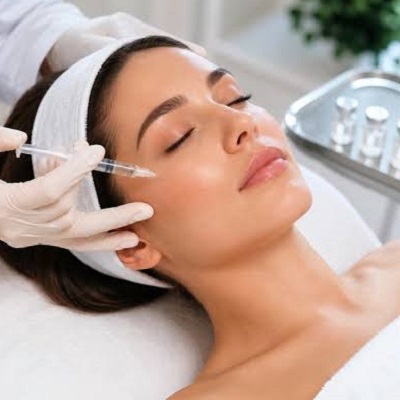
Permanent skin whitening injections cost varies because the term covers different substances, protocols, and goals. Some treatments use prescription agents administered under medical supervision; others are off-label or experimental. Expect a structured program rather than a single one-off fee: consultation, baseline testing, a series of injections (often repeated), and follow-up care are usually billed separately.
What affects the price of skin lightening injections?
Substance and formulation
Different active ingredients carry different costs. Prescription or compounded agents, laboratory-verified formulations, and product importation fees increase price. In contrast, non‑medical or unregulated compounds may be cheaper but pose higher health risks.
Provider credentials and setting
Board-certified dermatologists or plastic surgeons typically charge more than non-physician clinics. Clinic overhead, accreditation, and safety protocols (e.g., on-site lab testing) also add to fees.
Number of sessions and treatment plan
Many protocols require multiple injections spaced over weeks or months. The total program cost equals cost per session times number of sessions plus follow-up exams and laboratory monitoring.
Geography and market rates
Prices are higher in major urban centers and certain countries. Travel for perceived bargains adds hidden costs and increases safety risks if aftercare is not accessible locally.
Monitoring and testing
Baseline blood tests, liver and kidney function checks, and periodic monitoring are standard for potentially systemic agents. These tests increase total cost but reduce medical risk.
Typical price ranges (examples, not guarantees)
Price ranges can be wide. Examples below illustrate typical market patterns, not fixed rates.
- Low-range clinics or unregulated settings: several hundred dollars total. Often associated with lower product quality and limited safety checks.
- Mid-range medical clinics: $1,000–$4,000 for an initial course including consultations, multiple sessions, and basic labs.
- High-end specialist practices: $4,000–$10,000+ when using prescription-grade agents, extensive monitoring, and follow-up maintenance.
These ranges are indicative. Request itemized pricing (product, per-session fee, tests, follow-up visits) and compare.
Safety and regulatory context
Some skin-lightening agents have known safety issues, including systemic toxicity or local complications. Regulatory bodies like the U.S. Food and Drug Administration and professional dermatology associations publish guidance on approved uses and patient safety. The World Health Organization also highlights dangers from mercury-containing products and other harmful compounds; see the WHO fact sheet for authoritative information on mercury and health here.
The COST checklist: a simple framework to evaluate options
Use this named checklist before proceeding.
- Consultation & credentials: Confirm provider qualifications and ask for board certification and clinic accreditations.
- Options explained: Request a clear list of active ingredients, on-label vs off-label use, and documented evidence for outcomes.
- Safety plan: Insist on baseline tests, monitoring schedule, informed consent with complication rates, and emergency protocols.
- Total price transparency: Get itemized costs for sessions, products, labs, follow-ups, and potential revision treatments.
Real-world scenario
Example: A 35-year-old seeks treatment in a mid-size city. The clinic recommends a six-session protocol at $350 per session, plus an initial consultation of $120 and baseline blood tests of $180. Expected total: (6 x $350) + $120 + $180 = $2,520. The clinic schedules three follow-up visits in the first year (two included; one billed at $90). This scenario highlights how per-session price underestimates total program cost.
Common mistakes and trade-offs
Common mistakes
- Choosing the cheapest option without verifying product quality or provider credentials.
- Ignoring required monitoring or skipping baseline tests to save money.
- Assuming one session is sufficient — underestimating maintenance and follow-up costs.
Trade-offs to consider
- Lower upfront cost vs greater long-term medical risk and potential additional corrective treatments.
- Convenience and local access vs traveling for lower prices (aftercare matters).
- Experimental protocols may promise dramatic results but lack long-term safety data; balanced informed consent is essential.
Practical tips before booking
- Request an itemized written estimate that separates product, per-session fees, tests, and follow-up visits.
- Verify provider qualifications with national medical boards or dermatology associations (e.g., American Academy of Dermatology) and ask for before/after documentation tied to the same patient.
- Ask specifically about adverse effects, monitoring schedule, and what emergency care is included if complications occur.
- Compare cost per complete program, not just per session, and factor in travel and time off work.
Core cluster questions for further research
- How many sessions are usually required for lasting lightening results?
- What lab tests are recommended before and during skin-lightening injections?
- How do provider credentials affect outcomes and safety for skin whitening injections?
- What are the known long-term side effects of skin-lightening agents used in injections?
- How to get an itemized cost estimate and what questions to ask clinics?
Final guidance
Permanent skin whitening injections cost is only one factor. Prioritize safety, transparency, and documented clinical evidence. Avoid providers who pressure quick decisions or refuse to provide ingredient lists, monitoring plans, and itemized pricing. Verified medical oversight and informed consent reduce risk and improve the value of the investment.
Frequently asked questions
How much do permanent skin whitening injections cost overall?
Costs vary widely. Typical complete programs can range from under $1,000 in low-cost settings to several thousand dollars in regulated medical clinics. Request itemized program pricing to understand total financial commitment.
What is the price of skin lightening injections by session?
Per-session fees often range from under $200 in low-cost markets to $1,000+ for specialist clinics. Multiply the per-session fee by the expected number of sessions and add testing and follow-up to estimate the total.
Are there cheaper but safe alternatives to injections?
Topical prescription therapies, chemical peels, or supervised laser treatments may be alternatives. Each has its own cost and risk profile; discuss clinical evidence and monitoring requirements with a qualified dermatologist.
Does 'permanent skin whitening injections cost' include monitoring and follow-up?
Not always. The phrase permanent skin whitening injections cost is often used to discuss treatment fees only; always confirm whether monitoring, lab tests, and follow-up visits are included in the quoted price.
What red flags should raise concern about a low quoted price?
Red flags include lack of product disclosure, no baseline testing, pressure for upfront cash-only payment, absence of written consent, and providers without verifiable medical credentials. Cheaper price can mean higher health risk.