Why Homeowners Choose uPVC Windows in Epsom: A Practical Guide to Performance and Comfort
-

- March 25th, 2026
- 7,691 views
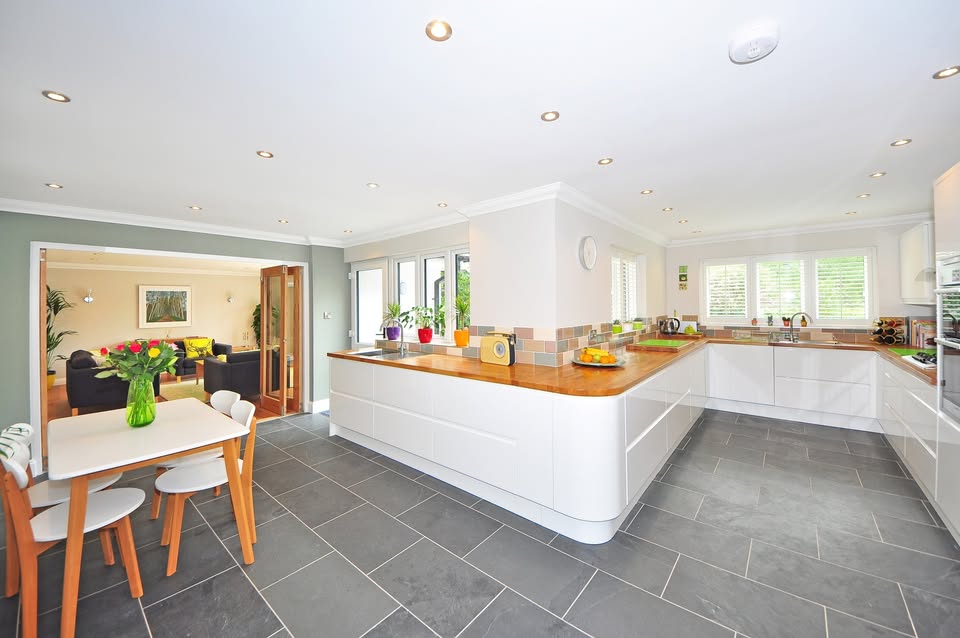
When people search for uPVC Windows Epsom, they’re usually trying to solve everyday problems: chilly rooms in winter, rising energy costs, or windows that demand constant upkeep. Modern window systems promise solutions — but understanding how they actually work helps homeowners make confident, long-term decisions.
This guide explores how uPVC windows function, how they relate to wider glazing systems such as Double glazing Caterham, and why material choice plays a crucial role in comfort, efficiency, and durability across typical UK homes.
What Makes uPVC Windows Different?
uPVC (unplasticised polyvinyl chloride) is a rigid, weather-resistant material widely used in modern window frames. Unlike timber, it does not absorb moisture, and unlike some metals, it does not readily conduct heat. These characteristics allow it to perform reliably across fluctuating temperatures and damp conditions.
The structure of a standard uPVC window frame includes:
- Multi-chambered internal sections designed to trap air
- Reinforced profiles for stability
- Sealed joints that help minimise drafts
Together, these design features contribute to thermal efficiency and structural integrity — two factors that often drive homeowner interest in replacement windows.
The Role of Double Glazing in Window Performance
While frame material matters, glazing technology does much of the thermal work. In areas such as Caterham, where homeowners frequently explore Double glazing Caterham, the goal is typically to improve insulation and reduce noise.
Double glazing works by placing two glass panes around a sealed cavity filled with air or inert gas. This configuration slows heat transfer and creates an acoustic buffer against outside sound.
When combined with uPVC frames, double glazing can support:
- More stable indoor temperatures
- Reduced external noise intrusion
- Lower likelihood of condensation
- Improved energy efficiency
Rather than acting as separate upgrades, frame and glazing function as a system — each element reinforcing the other’s performance.
Energy Efficiency in Everyday Terms
Energy efficiency often sounds technical, but its effects are simple to observe. Windows influence how easily heat escapes a property. Poorly insulated glazing allows warmth to dissipate quickly, forcing heating systems to work harder.
uPVC windows paired with modern double glazing help regulate heat flow by:
- Limiting thermal bridging around frame edges
- Maintaining warmer interior glass surfaces
- Reducing drafts caused by imperfect seals
In practice, this means rooms stay comfortable for longer periods without drastic heating adjustments. Over time, improved insulation can support reduced energy consumption and a more consistent indoor climate.
Noise Control and Urban Living
For many households, sound reduction is just as valuable as thermal performance. Traffic, footfall, and general urban activity can create persistent background noise.
Double-glazed units mitigate this by disrupting sound wave transmission through layered materials and sealed cavities. uPVC frames further support this by creating tight seals that limit vibration transfer.
Although no window can eliminate noise entirely, well-constructed systems significantly soften external sound, contributing to calmer interior spaces.
Durability and Maintenance Considerations
Long-term practicality is a key reason homeowners research uPVC windows. Maintenance requirements are minimal compared with traditional materials.
Key durability advantages include:
- Resistance to rot and corrosion
- Colour stability without repainting
- Weather tolerance in damp climates
- Easy cleaning with non-abrasive methods
These features reduce the ongoing care windows require, making them a functional choice for busy households.
Understanding Condensation and Indoor Air Quality
Condensation forms when warm air meets a cold surface. Older single-glazed windows often create this environment, leading to moisture accumulation and potential mould growth.
Modern double-glazed units help by keeping interior glass surfaces warmer. Combined with well-sealed uPVC frames, this reduces moisture build-up and supports healthier indoor air conditions.
This is not merely a cosmetic improvement; controlling condensation helps protect surrounding walls, seals, and furnishings from long-term damage.
A System Approach to Modern Window Design
Window performance should be viewed holistically. Frame material, glazing type, installation quality, and property design all interact. Homeowners researching upgrades often discover that improvements in one area influence others — better insulation supports comfort, which influences energy use, which affects overall living conditions.
For readers exploring glazing knowledge resources, organisations such as https://glitzwindows.co.uk/ often publish educational content explaining how these elements work together in practical residential settings. Understanding the system — rather than focusing on a single component — helps clarify why modern window technology has become a standard feature in many UK homes.
Conclusion
Interest in uPVC Windows Epsom reflects a broader shift toward practical, energy-conscious home improvements. When paired with systems such as Double glazing Caterham, uPVC frames contribute to insulation, noise reduction, condensation control, and durability — outcomes that directly influence everyday comfort.
Rather than viewing windows as simple architectural features, it is more accurate to think of them as performance components within the building envelope. By understanding how materials and glazing technologies interact, homeowners can better evaluate whether an upgrade aligns with their property’s needs and long-term efficiency goals.