How Urban Living Affects Health: Challenges, Causes, and Practical Solutions
-

- Published Updated
- 431 views
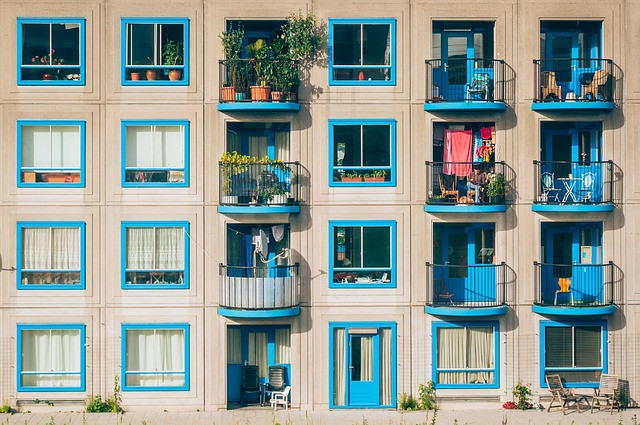
The health challenges of urban living are growing priorities for public health, urban planners, and residents. Rapid urbanization concentrates risks such as air pollution, noise, heat islands, limited green space, and social isolation that together raise the burden of respiratory disease, cardiovascular conditions, and mental health problems.
This practical guide explains the main drivers behind urban health problems, offers a named checklist (URBAN-WELL) for assessment, presents a brief real-world scenario, and lists actionable steps residents and city programs can take. Trade-offs and common mistakes are highlighted to help prioritize responses.
health challenges of urban living
Concentrated exposures make the urban environment unique: poor urban air quality and respiratory health outcomes, higher noise levels, barriers to active transport, and inequalities in housing and services. These factors interact—traffic pollution concentrates where public transit is poor; heat islands overlap with deprived neighborhoods—amplifying harm.
Why these urban environment health risks occur
Built environment and exposure pathways
Density and land use patterns shape exposure. Limited sidewalks or bike lanes reduce physical activity; heavy traffic raises particulate matter and nitrogen dioxide levels; tall buildings and paved surfaces trap heat and reduce tree canopy, increasing heat-related illness.
Social and economic drivers
Unequal access to healthcare, affordable housing, nutritious food, and safe public spaces magnifies the impact on lower-income communities. Social isolation and chronic stress from precarious work or commuting time add to mental health burdens.
URBAN-WELL Checklist: a practical assessment tool
Use the URBAN-WELL Checklist to evaluate neighborhood health risks and plan interventions. Each item should be scored and followed by an action plan.
- U — Utilities & Housing quality (ventilation, mold, heating)
- R — Respiratory exposures (air pollution, smoking prevalence)
- B — Built environment (walkability, bike lanes, transit access)
- A — Access to green space (parks, street trees)
- N — Noise & light pollution
- W — Work and commute conditions (hours, transport mode)
- E — Equity & service access (healthcare, grocery stores)
- L — Local resilience (heat shelters, emergency plans)
- L — Lifestyle supports (community centers, social programs)
Real-world example: a neighborhood assessment
Scenario: A mid-sized city notices rising asthma ER visits in a downtown neighborhood. Applying the URBAN-WELL Checklist finds high traffic corridors without clean-air buffers, low tree canopy, limited weekend clinic hours, and poor housing ventilation. Recommended actions included targeted tree planting, adjusting bus routes to reduce idling on narrow streets, expanding clinic hours, and a tenant program for ventilation improvements. Monitoring showed decreased asthma exacerbations over a 12-month period after combined measures.
Practical tips (3–5 actionable steps)
- Measure and prioritize: Use local air-quality sensors and the URBAN-WELL Checklist to identify the highest-impact, low-cost interventions first (e.g., traffic calming, bus route adjustments).
- Increase green cover strategically: Plant street trees and small pocket parks in heat- and pollution-exposed blocks to lower temperatures and filter particulates.
- Promote active transport: Add safe walking and cycling infrastructure and secure bike parking to reduce car trips and increase daily physical activity.
- Support housing upgrades: Incentivize simple ventilation and insulation improvements to reduce indoor pollutant concentrations and damp-related illness.
- Target social programs: Fund community centers, matched volunteering, and neighborhood health navigators to reduce isolation and improve service access.
Trade-offs and common mistakes
Trade-offs to consider
Interventions often involve trade-offs: adding green space may require removing parking, which can meet resistance; routing traffic away from residential streets may increase congestion elsewhere. Prioritization should consider equity—actions must not shift burdens onto already vulnerable communities.
Common mistakes
- Single-solution thinking: Treating only air pollution without improving housing ventilation or healthcare access limits benefits.
- Ignoring maintenance: New green infrastructure without long-term care can fail to deliver expected health returns.
- Insufficient community engagement: Top-down solutions miss local priorities and reduce adoption.
Policy and systems-level levers
City zoning, transportation policy, building codes, and public health programming collectively shape outcomes. Cross-sector collaboration—planning, public health departments, transit agencies, and community groups—produces durable solutions. For evidence-based guidance on urban health planning, refer to global health agency resources from the World Health Organization.
Measuring success
Track outcome measures (ER visits for asthma, heat-related hospitalizations, self-reported mental well-being) and process measures (tree canopy coverage, miles of bike lanes, clinic hours). Use baseline and repeat assessments with the URBAN-WELL Checklist to document change.
What are the main health challenges of urban living?
Major challenges include air pollution and respiratory disease, noise and sleep disruption, heat-related illness from urban heat islands, reduced opportunity for physical activity, food access issues, and mental health problems linked to social isolation and stress.
How can individuals reduce personal exposure to urban air pollution?
Practical steps include using high-efficiency filters in homes, choosing active travel routes that avoid major roadways when possible, checking local air-quality advisories, and advocating for clean transit options. Small changes in commuting and indoor filtration can reduce daily exposure.
Which urban design features most improve public health?
Features that increase walkability, provide safe cycling infrastructure, expand green space, ensure mixed land use so daily needs are close, reduce traffic speed, and improve public transit reliability all correlate with better population health outcomes.
Can heat islands be mitigated without major infrastructure changes?
Yes. Low-cost measures include reflective roofing, shading with street trees, community cooling centers, and prioritizing planting in vulnerable neighborhoods. Combined with longer-term surface and building upgrades, these reduce heat exposure quickly.
How do health equity considerations change urban interventions?
Design interventions to prioritize communities with the highest baseline risks. Avoid interventions that shift environmental burdens. Include affected residents in planning and measure distributional impacts of actions to ensure benefits reach those most in need.