Uttar Pradesh Matrimony Traditions: Rituals, Regional Customs & Modern Trends
-

- February 23rd, 2026
- 1,756 views

FREE SEO Topical Map Generator: Find Your Next Content Ideas
Uttar Pradesh Matrimony reflects a wide range of customs, rituals and social practices tied to religion, caste, language and region. The state’s large population and cultural diversity mean weddings vary from elaborate multi-day Hindu ceremonies in Varanasi to modest civil registrations in urban centers.
- Uttar Pradesh marriages blend Hindu, Muslim, Sikh, Christian and tribal customs.
- Common Hindu rituals include baraat, phera, sindoor and varmala; Muslim weddings often include nikah and walima.
- Regional variations are influenced by language, caste/gotra, and local folk traditions.
- Legal registration and documentation are increasingly common across urban and rural areas.
Uttar Pradesh Matrimony: Overview of Traditions and Social Context
Marriage in Uttar Pradesh is shaped by centuries of history, religious practices and social norms. Population statistics and demographic patterns reported by the Office of the Registrar General & Census Commissioner, India provide context for how marital patterns can differ between districts; for official census data see the national site here: censusindia.gov.in.
Main Religious and Community Practices
Hindu Weddings
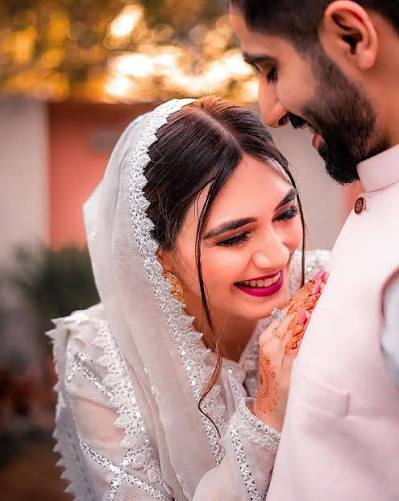
Hindu marriages in Uttar Pradesh typically follow rites from classical texts blended with local customs. Key elements often include engagement (sagai), mehendi and haldi ceremonies, the baraat procession, exchange of garlands (varmala), the seven pheras (saptapadi) around a sacred fire, and application of sindoor and mangalsutra in some communities. Ritual order and specific songs, dress and food vary by region and caste.
Muslim Weddings
Muslim matrimonial customs frequently include a nikah contract, recitation of Quranic verses, and a walima reception. Ceremony scale and observances depend on local traditions and sectarian practices. In many areas, family elders play a central role in arranging and formalizing marriage terms.
Other Religious and Tribal Customs
Sikh, Christian and indigenous communities in Uttar Pradesh observe their own rites—such as Anand Karaj for Sikhs or church ceremonies for Christians—while often incorporating regional music, food and dress. Tribal and rural groups may include distinct folk ceremonies and local auspicious practices.
Key Elements: Caste, Gotra, Matchmaking and Family Roles
Role of Caste and Community
Caste and sub-caste (jati) and gotra considerations remain influential in many match-making decisions. Families often seek partners with compatible social background, shared lineage norms, and similar cultural practices. These social dynamics differ between urban and rural populations and are evolving with increased mobility and education.
Matchmaking and Matrimonial Networks
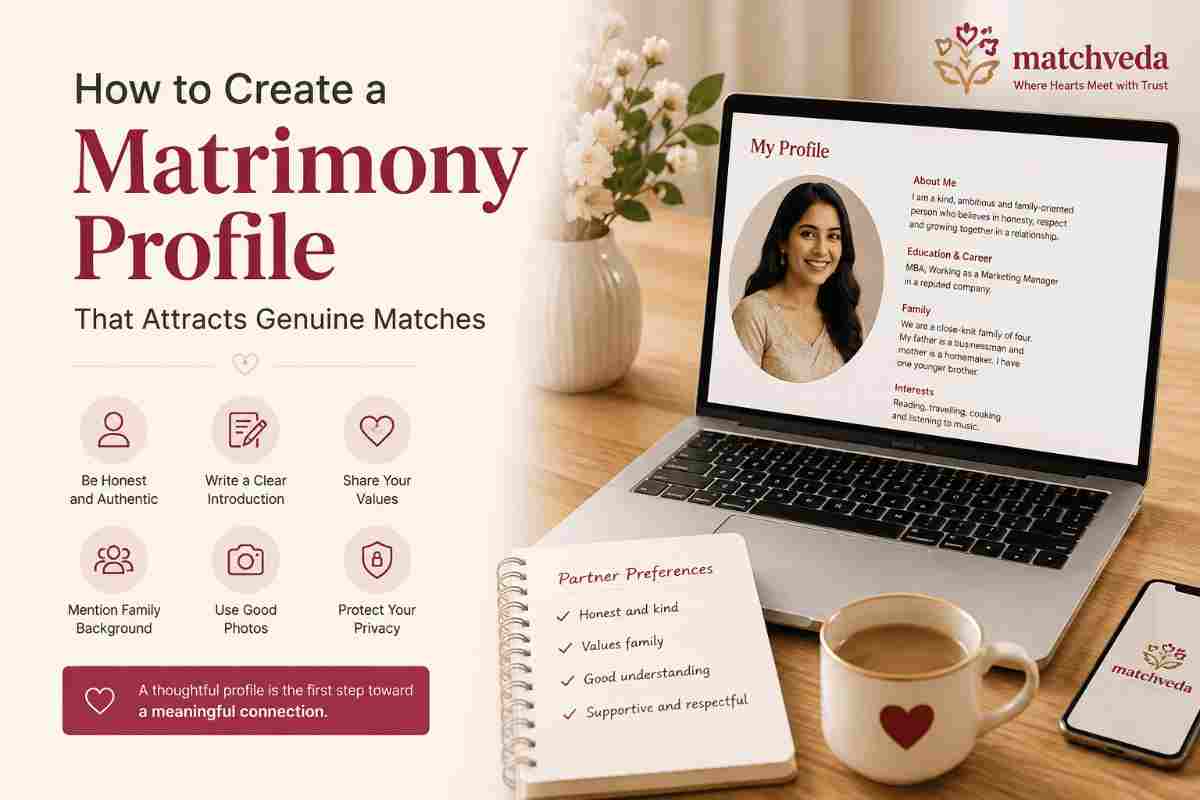
Traditional matchmaking uses family networks and community contacts; contemporary approaches also include matrimonial services and online platforms that connect prospective spouses across districts, while still reflecting preferences for language, religion and family background.
Regional Variations Across Uttar Pradesh
East vs West: Language and Cultural Differences
Northern and eastern districts may emphasize Bhojpuri and Awadhi cultural forms in songs and rituals, while western areas near Lucknow retain distinct Awadhi courtly traditions, including specific music, cuisine and wedding etiquette. Local festivals, folk theatre and seasonal agricultural cycles can influence wedding timing and celebratory practices.
Urban and Rural Contrasts
Urban weddings often combine traditional rites with contemporary receptions and legal registration, whereas rural ceremonies may center more on community participation, localized rituals and extended family gatherings. Costs, guest lists and ceremony duration commonly reflect household economics and social expectations.
Legal Registration, Documentation and Social Change
Marriage Registration
Marriage registration is available under national and state rules and provides legal recognition and documentation of marital status. Increasing awareness of formal registration aims to improve access to rights and benefits for spouses. For authoritative demographic information, national statistics and rules are maintained by statutory offices such as the Registrar General and Census offices.
Contemporary Trends
Trends in Uttar Pradesh include delayed marriage age in some urban cohorts, inter-regional and intercaste matches in growing numbers, and greater emphasis on education and consent. Migration, media exposure and higher female workforce participation are contributing to gradual social shifts in matrimonial practices.
Planning Considerations and Cultural Etiquette
Common Practical Steps
Typical planning steps focus on aligning dates with family availability, choosing customary rituals appropriate to community norms, arranging local vendors for food, music and garments, and ensuring required identity and family documents are prepared for any formal registration.
Respecting Local Customs
When participating in or attending weddings in Uttar Pradesh, awareness of religious protocols, dress codes, and invitation etiquette is important. Observing elders’ guidance on seating, greetings and gift-giving helps honor tradition and local values.
Resources and Official Contacts
For demographic data and official statistics consult national census resources and state government portals. National ministries and the Government of Uttar Pradesh publish guidelines and service information for civil registration and related administrative processes.
Frequently Asked Questions
What is Uttar Pradesh Matrimony and how do traditions vary by region?
Uttar Pradesh Matrimony covers a wide spectrum of religious and community wedding practices. Rituals, music, dress and the role of extended family differ between districts—Bhojpuri and Awadhi areas have distinct songs and attire, while urban centers often blend traditional rites with modern receptions.
Are marriage registrations common in Uttar Pradesh?
Yes. Registration is increasingly common, particularly in urban areas. It helps document marital status and can be important for administrative matters, although cultural ceremonies continue to be central for family recognition.
How do caste and gotra influence match-making in the state?
Caste, gotra and community affiliations still influence many matrimonial choices, with families often prioritizing social and lineage compatibility. However, choices are gradually diversifying due to education, migration and digital matchmaking.
Where can authoritative demographic information about marriages in Uttar Pradesh be found?
Official demographic and census data are published by the Office of the Registrar General & Census Commissioner, India and by state government statistical departments; consult those sources for up-to-date statistics and district-level details.
How are contemporary trends changing matrimonial customs in Uttar Pradesh?
Contemporary trends include later marriage ages in some groups, more educational and economic considerations in partner selection, wider use of digital matchmaking platforms, and a slow increase in intercaste and interregional marriages, especially among urban populations.
Related Posts