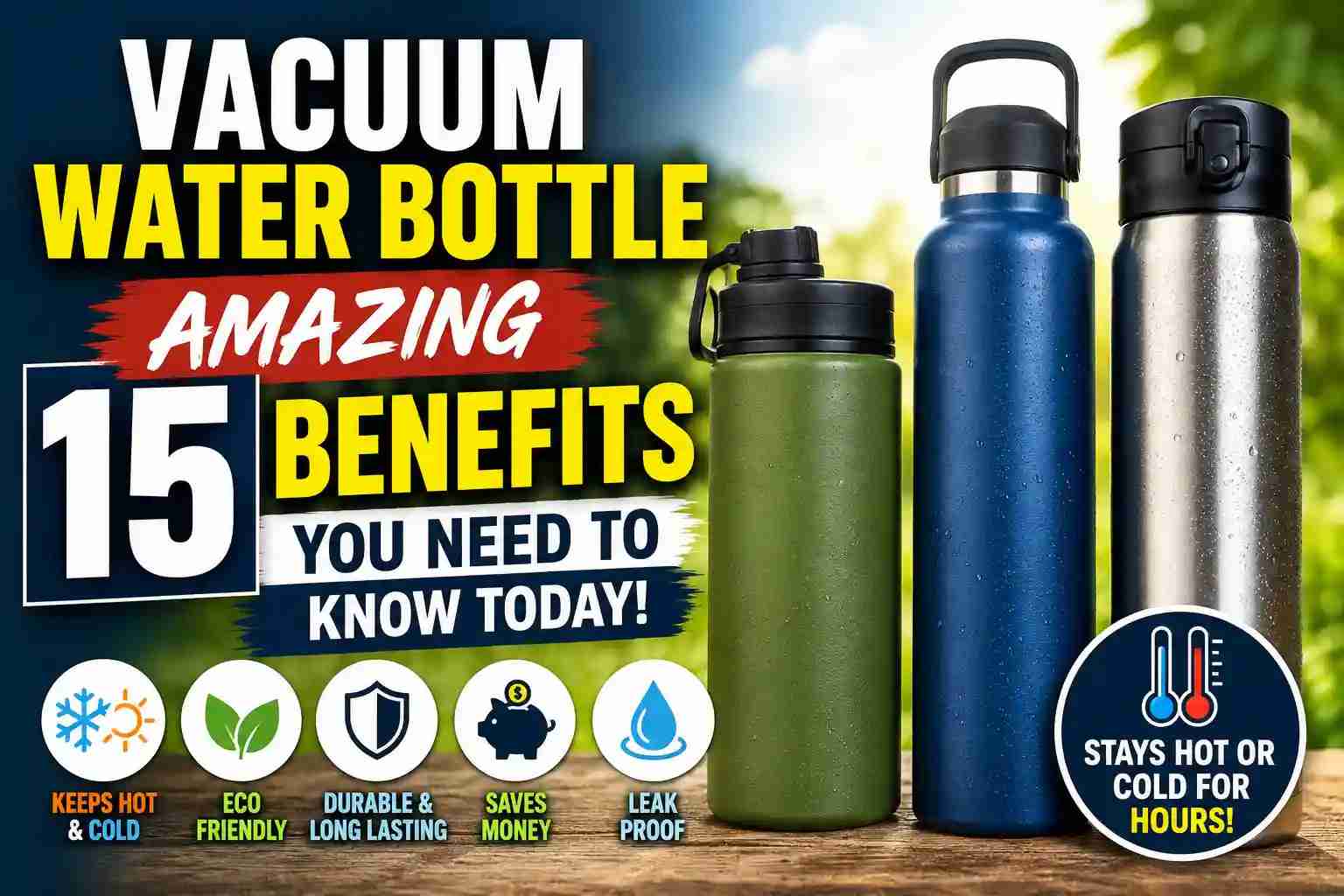
Vacuum Water Bottle: Amazing 15 Benefits You Need to Know Today
-

- Published Updated
- 6,988 views
Introduction to Vacuum Water Bottles
A vacuum water bottle has become one of the most popular hydration products in the world. Whether you're commuting to work, hiking a mountain trail, attending school, or traveling across the country, this simple yet effective bottle helps keep beverages at the perfect temperature for hours.
Unlike ordinary plastic bottles, a vacuum water bottle uses advanced insulation technology to maintain hot or cold temperatures for extended periods. This innovation provides convenience, comfort, and long-term savings while reducing dependence on disposable containers.
As consumers become more environmentally conscious, insulated bottles continue gaining popularity. Their durability and performance make them an excellent investment for everyday use.
In this guide, you'll learn everything you need to know about vacuum water bottles, including how they work, their benefits, selection tips, maintenance practices, and frequently asked questions.
What Is a Vacuum Water Bottle?
A vacuum water bottle is a specially designed container that uses vacuum insulation technology to reduce heat transfer between the inside and outside environments.
The bottle typically contains two stainless steel walls separated by a vacuum-sealed space. Because there is little to no air between these walls, heat cannot easily move through conduction or convection.
As a result, beverages stay hot or cold significantly longer than they would in traditional bottles.
Understanding Vacuum Insulation Technology
Vacuum insulation is based on a simple scientific principle. Heat naturally moves from warmer areas to cooler areas. By removing air from the space between two walls, manufacturers create a barrier that slows this process dramatically.
This design allows:
Cold drinks to stay cold for up to 24 hours
Hot beverages to remain warm for up to 12 hours
Minimal temperature fluctuation
Improved energy efficiency
How Heat Transfer Works
Heat transfer occurs in three primary ways:
Conduction
Convection
Radiation
A vacuum water bottle minimizes conduction and convection because the vacuum contains almost no particles to carry heat. Many premium bottles also feature reflective coatings that reduce radiant heat transfer.
Key Components of a Vacuum Water Bottle
Understanding the components helps buyers choose the right bottle for their needs.
Inner and Outer Walls
The double-wall structure forms the foundation of insulation performance. The inner wall holds the beverage, while the outer wall protects users from extreme temperatures.
Benefits include:
Enhanced insulation
Comfortable handling
Sweat-free exterior
Reduced condensation
Airtight Lid Design
The lid plays a critical role in maintaining temperature.
High-quality lids feature:
Silicone seals
Leak-proof construction
Secure locking systems
Easy drinking mechanisms
An effective lid prevents heat loss and minimizes spills during transportation.
Stainless Steel Construction
Most premium vacuum water bottle models use food-grade stainless steel.
Advantages include:
Rust resistance
Durability
Odor resistance
Easy maintenance
Long lifespan
Food-grade stainless steel is also free from many chemicals commonly associated with lower-quality plastic containers.
Top Benefits of Using a Vacuum Water Bottle
A vacuum water bottle offers far more than simple hydration. Here are fifteen remarkable benefits.
1. Keeps Drinks Cold for Hours
Cold beverages remain refreshing throughout the day.
2. Maintains Heat Efficiently
Coffee, tea, and hot chocolate stay warm for extended periods.
3. Reduces Condensation
No more wet surfaces or soaked bags.
4. Supports Hydration Goals
People tend to drink more water when it remains cool and enjoyable.
5. Saves Money
Reusable bottles reduce spending on bottled drinks.
6. Eco-Friendly Alternative
Less plastic waste enters landfills and oceans.
7. Long-Lasting Durability
Quality bottles can last for years.
8. Leak-Proof Performance
Secure lids help prevent accidental spills.
9. Versatile Usage
Suitable for hot and cold beverages alike.
10. Travel Friendly
Easy to carry during trips and commutes.
11. Stylish Designs
Available in numerous colors and finishes.
12. Odor Resistance
Stainless steel does not retain smells easily.
13. Better Taste Preservation
Beverages maintain their original flavor.
14. Safe Material Options
Many bottles use BPA-free components.
15. Reduced Environmental Impact
A single reusable bottle can replace hundreds of disposable containers annually.
Temperature Retention
Perhaps the biggest selling point of a vacuum water bottle is temperature control. Whether you're enjoying iced water during summer or coffee during winter, insulation technology helps maintain ideal drinking conditions.
Durability
Unlike glass bottles that may break easily, stainless steel bottles withstand everyday wear and tear.
They are ideal for:
Students
Office workers
Travelers
Athletes
Outdoor enthusiasts
Eco-Friendly Advantages
Reusable bottles help reduce plastic consumption. According to environmental organizations, millions of plastic bottles are discarded daily worldwide.
Using a vacuum water bottle contributes to:
Reduced waste
Lower resource consumption
Improved sustainability
Cost Savings
Although insulated bottles have a higher upfront cost, they often pay for themselves quickly by reducing purchases of bottled beverages.
Different Types of Vacuum Water Bottles
Not all insulated bottles are the same.
Sports Bottles
Sports bottles focus on portability and convenience.
Features often include:
Lightweight construction
Quick-sip lids
Carry loops
Impact resistance
Travel Bottles
Travel-oriented designs prioritize extended insulation and leak prevention.
Ideal for:
Flights
Road trips
Daily commutes
Wide Mouth Bottles
Wide-mouth models offer easier cleaning and ice insertion.
Benefits include:
Faster filling
Easy washing
Greater versatility
Smart Bottles
Modern technology has introduced smart hydration solutions.
Features may include:
Temperature displays
Hydration reminders
App connectivity
Usage tracking
How to Choose the Best Vacuum Water Bottle
Selecting the right bottle depends on several factors.
Capacity Considerations
Common capacities include:
| Capacity | Best For |
|---|---|
| 350ml | Coffee and short outings |
| 500ml | Everyday use |
| 750ml | Sports and fitness |
| 1 Liter | Extended outdoor activities |
| 1.5 Liter+ | Long trips and group use |
Material Quality
Look for:
Food-grade stainless steel
BPA-free components
Durable powder coating
Corrosion resistance
Premium materials improve longevity and safety.
Lid Styles
Popular lid types include:
Screw caps
Flip lids
Straw lids
Push-button lids
Sport caps
Choose one that matches your lifestyle.
Portability
Consider:
Weight
Carry handles
Bag compatibility
Cup-holder fit
A bottle that's too large may become inconvenient during daily travel.
Maintenance and Cleaning Tips
Proper care extends the lifespan of your vacuum water bottle.
Daily Cleaning Routine
Follow these steps:
Empty contents after use.
Rinse with warm water.
Wash with mild soap.
Clean the lid thoroughly.
Allow complete drying.
Consistent cleaning prevents odor buildup and bacterial growth.
Deep Cleaning Methods
For stubborn stains or odors:
Use baking soda and warm water.
Add white vinegar for mineral deposits.
Let the solution sit for several hours.
Rinse thoroughly.
For additional bottle maintenance guidance, visit the resource provided by the U.S. Environmental Protection Agency.
Common Mistakes to Avoid
Many users unknowingly reduce the effectiveness of their vacuum water bottle.
Avoid these common errors:
Putting Bottles in Dishwashers
Some insulated bottles are not dishwasher safe.
Using Harsh Chemicals
Strong cleaners may damage seals and coatings.
Storing with Lid Closed
Trapped moisture can create unpleasant odors.
Ignoring Seal Maintenance
Worn seals reduce insulation efficiency and leak protection.
Overfilling
Leaving some air space helps maintain optimal performance.
Vacuum Water Bottle vs Traditional Water Bottle
| Feature | Vacuum Water Bottle | Traditional Bottle |
|---|---|---|
| Temperature Retention | Excellent | Limited |
| Durability | High | Moderate |
| Condensation | Minimal | Common |
| Reusability | Excellent | Varies |
| Environmental Impact | Lower | Higher |
| Cost Efficiency | Better Long Term | Lower Initial Cost |
| Taste Preservation | Excellent | Moderate |
Environmental Impact
The environmental benefits of a vacuum water bottle are substantial.
Disposable plastic bottles require:
Raw materials
Manufacturing energy
Transportation resources
Waste management systems
By switching to reusable insulated bottles, consumers help reduce overall environmental pressure.
Additional sustainability benefits include:
Lower carbon footprint
Reduced landfill waste
Fewer ocean pollutants
Better resource conservation
This makes a vacuum water bottle an environmentally responsible choice for households, students, and professionals alike.
Frequently Asked Questions
1. How long does a vacuum water bottle keep drinks cold?
Most quality bottles keep beverages cold for 12 to 24 hours, depending on design and environmental conditions.
2. Can a vacuum water bottle keep drinks hot?
Yes. Many models maintain hot temperatures for 6 to 12 hours or longer.
3. Is stainless steel safe for drinking water?
Yes. Food-grade stainless steel is widely considered safe, durable, and resistant to corrosion.
4. How often should I clean my vacuum water bottle?
A quick wash after each use is recommended, with deep cleaning performed weekly.
5. Why does my bottle lose insulation performance?
Damaged seals, dents, or compromised vacuum layers can reduce effectiveness.
6. Can I store carbonated drinks in a vacuum water bottle?
Some bottles are suitable for carbonated beverages, but users should always follow manufacturer recommendations.
7. Are vacuum water bottles eco-friendly?
Absolutely. They reduce dependence on disposable plastic bottles and support sustainable living.
8. What size vacuum water bottle should I buy?
Choose a size based on your daily hydration needs, activity level, and portability preferences.
Conclusion
A vacuum water bottle is more than a trendy accessory. It is a practical, cost-effective, and environmentally responsible hydration solution. Thanks to advanced insulation technology, these bottles maintain beverage temperatures for extended periods while offering durability, convenience, and long-term value.
Whether you're a student, traveler, fitness enthusiast, or professional, investing in a quality vacuum water bottle can significantly improve your daily hydration experience. With proper care and maintenance, a well-made insulated bottle can serve you reliably for many years.