Vampire Face Lift in Riyadh: Complete PRP Facial Rejuvenation Guide
-

- February 23rd, 2026
- 1,164 views

Get a free topical map and start building content authority today.
The Vampire Face Lift in Riyadh is a platelet-rich plasma (PRP) facial rejuvenation procedure used to address fine lines, improve skin texture, and stimulate collagen production. This article explains how the treatment works, who may be a candidate, typical recovery, risks, cost considerations, and tips for selecting a licensed clinic in Riyadh.
- What: PRP-based facial rejuvenation often combined with microneedling or fillers.
- Duration: Procedure typically 30–90 minutes; visible changes over weeks to months.
- Recovery: Minor swelling and bruising for several days; low downtime.
- Risks: Infection, bruising, temporary swelling; choose a licensed practitioner.
- Regulation: Verify clinic and practitioner licensing with the Saudi Ministry of Health.
Vampire Face Lift in Riyadh: What it is
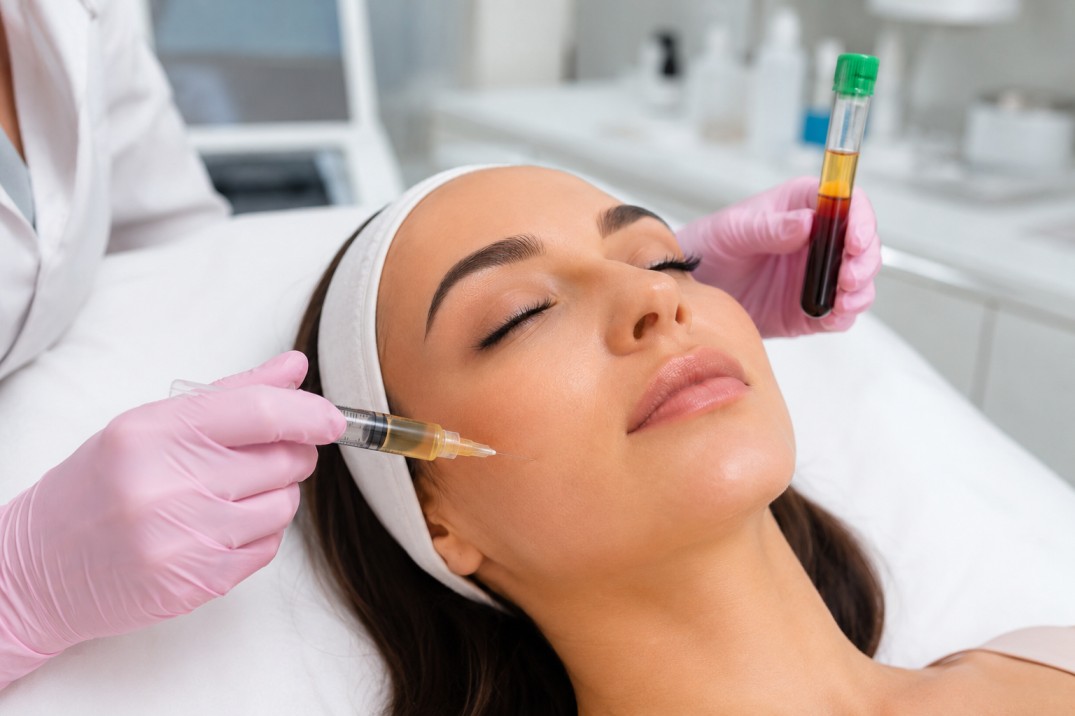
The term "vampire face lift" commonly describes a treatment that uses platelet-rich plasma (PRP) derived from a patient’s own blood to promote skin rejuvenation. In Riyadh, this approach is offered by dermatology and aesthetic clinics and may be combined with microneedling, laser therapy, or injectable fillers depending on treatment goals. PRP contains growth factors that can support collagen and tissue repair processes when administered to the skin.
How it works
Blood is drawn from the patient and spun in a centrifuge to concentrate platelets. The PRP fraction is then applied to or injected into targeted facial areas, sometimes with microneedling to improve topical absorption. The procedure aims to stimulate the body’s natural healing response rather than replacing tissues like some dermal fillers.
Who is a candidate
Potential candidates are generally adults seeking improved skin texture, reduced fine lines, or a refreshed appearance. Good candidates are in overall good health, without active infection, certain autoimmune disorders, or blood-clotting problems. A licensed provider should evaluate medical history, current medications, and realistic expectations before treatment. This article does not provide medical advice; consult a qualified clinician for personal recommendations.
Preparing and choosing a clinic in Riyadh
Prioritize clinics with licensed dermatologists or board-certified plastic surgeons experienced in PRP procedures. Verify licensing and facility accreditation through the local regulator. For Riyadh patients, confirm practitioner registration with the Saudi Ministry of Health and ask to see credentials and before-and-after photos from actual patients.
Questions to ask before booking
- What are the practitioner’s qualifications and experience with PRP?
- How is sterility maintained and where is blood processed?
- What combination treatments (microneedling, lasers, fillers) are recommended and why?
- What are costs, expected number of sessions, and follow-up procedures?
Procedure, recovery, and risks
The procedure
Treatment typically begins with topical numbing. Blood is collected and processed into PRP, then applied or injected into treatment zones. Sessions vary from 30 to 90 minutes depending on whether other modalities are combined. Practitioners often recommend a series of sessions spaced several weeks apart for optimal results.
Recovery and downtime
Downtime is generally short. Expect redness, mild swelling, and possible bruising for a few days. Most patients return to routine activities within 24–72 hours. Avoid sun exposure and follow aftercare instructions provided by the clinic to reduce irritation and optimize healing.
Possible risks
Risks include infection, localized pain, prolonged swelling, and bruising. Because PRP uses the patient’s blood, allergic reaction risk to the product itself is low; however, procedure-related complications are possible. Discuss potential risks and emergency procedures with the clinic before treatment.
Cost, maintenance, and alternatives
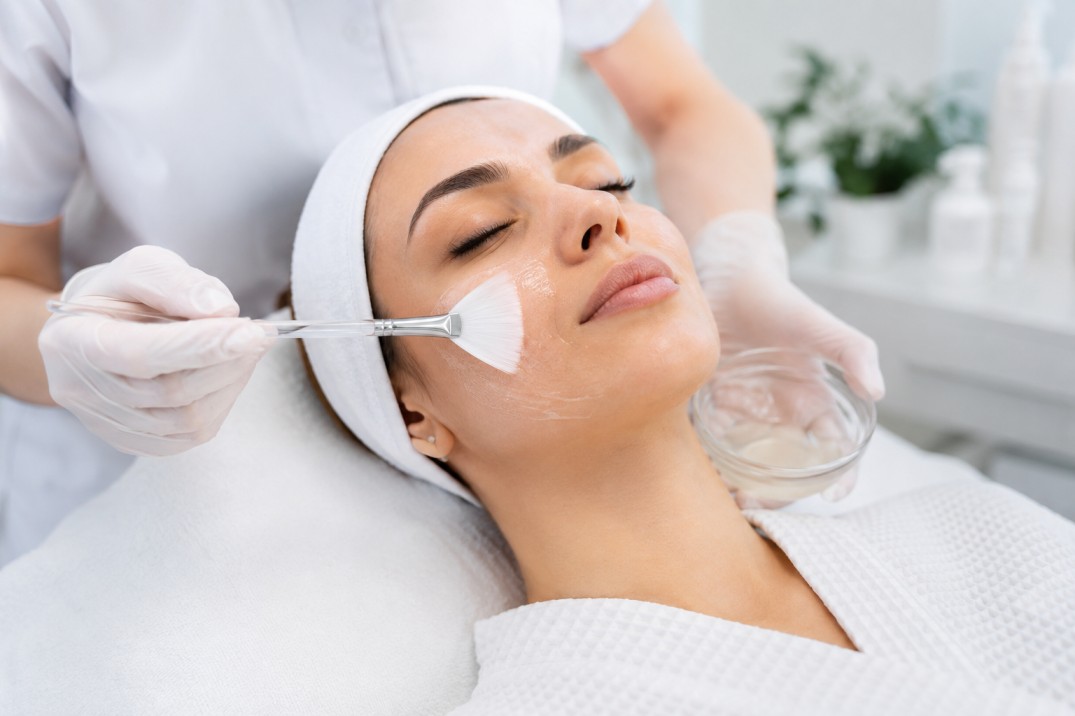
Costs in Riyadh vary by clinic reputation, practitioner qualifications, and whether additional treatments are combined. Prices may reflect the use of sterile centrifuges and clinical facilities. Maintenance typically involves periodic follow-up sessions every several months to a year, depending on individual response. Alternative or complementary options include medical-grade skincare, chemical peels, laser resurfacing, and dermal fillers. Compare evidence, recovery time, and regulatory oversight when evaluating options.
Finding regulated care
Seek treatment from licensed dermatologists or plastic surgeons working in accredited facilities. International professional organizations such as the American Academy of Dermatology and peer-reviewed dermatology journals publish guidance and evidence summaries about PRP and related therapies that can inform discussions with a provider.
Frequently asked questions
Is the Vampire Face Lift in Riyadh safe?
When performed by a licensed clinician in an accredited facility, PRP-based procedures are generally considered low-risk, but no procedure is without potential complications. Verify practitioner credentials, infection-control procedures, and clinic licensing. Ask for an explanation of risks, expected outcomes, and emergency plans before treatment.
How long do results last?
Results vary by individual, treatment protocol, skin condition, and lifestyle. Many patients notice improvements in texture and tone over several weeks as collagen remodeling occurs. Maintenance sessions are commonly recommended every 6 to 12 months to sustain results.
How to prepare for treatment and what to expect?
Follow pre-procedure instructions from the treating clinic; this may include avoiding blood-thinning medications or supplements and limiting sun exposure. Expect topical numbing, some discomfort during injections or microneedling, and brief downtime. Discuss realistic goals and alternatives with the practitioner during a consultation.