Veincare Varicose Vein Root Remover Australia: Honest Review & How to Choose the Best Vein Cream
-
- Published Updated
- 550 views
Detected dominant intent: Commercial Investigation
Choosing a vein cream for varicose veins requires understanding what topical treatments can realistically do. This guide examines Veincare Varicose Vein Root Remover in Australia, explains how topical products work, and gives a practical checklist and tips for comparing creams against medical options.
- Topical creams can ease symptoms (itching, mild swelling, skin irritation) but do not remove major varicose veins or replace medical procedures.
- Key ingredients to evaluate: horse chestnut extract, diosmin/hesperidin, rutin, retinoids, vitamin K; evidence varies by ingredient.
- Use the VEIN-check checklist below to compare products, and consult a clinician for moderate or progressive varicose veins.
vein cream for varicose veins: does Veincare Varicose Vein Root Remover stack up?
What this product claims and what to expect
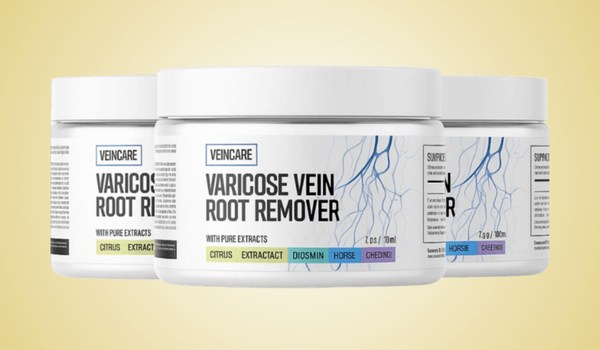
Veincare Varicose Vein Root Remover is marketed in Australia as a topical solution targeting the appearance of varicose veins and related discomfort. Like many over-the-counter vein creams, marketing often emphasizes natural extracts, circulation support, and topical skin benefits. Realistic outcomes for users typically include modest symptom relief—temporary reduction in itchiness, burning or cosmetic improvement of skin texture—rather than disappearance of bulging veins.
Quick product snapshot (ingredients, form, use)
- Common active ingredients listed in similar products: horse chestnut extract (aescin), rutin, diosmin/hesperidin, menthol, vitamin K, and moisturizing bases.
- Typical form: cream or gel applied externally to affected areas once or twice daily.
- Intended users: people with mild varicose veins, spider veins, or those seeking symptomatic relief and cosmetic improvement.
How topical creams work and what the evidence shows
Mechanisms and realistic benefits
Topical products aim to reduce inflammation, strengthen small capillaries, or improve local circulation. Ingredients such as horse chestnut may reduce capillary permeability; flavonoids (diosmin, hesperidin, rutin) have venotonic and anti-inflammatory effects in some studies. However, evidence for meaningful reduction of large, bulging varicose veins from topical use is limited.
Clinical context and guidelines
Medical guidance for varicose veins often emphasizes conservative measures (compression therapy, weight management, exercise), and procedural treatments (sclerotherapy, endovenous ablation, surgery) for significant disease. For a reliable overview of options and when to seek medical care, see the NHS guidance on varicose veins: NHS guidance on varicose veins.
How to evaluate a vein cream — the VEIN-check checklist
A simple evaluation framework helps compare products without relying solely on marketing claims.
- Verify ingredients: Are active agents listed and at clear concentrations?
- Evidence: Is there peer-reviewed research or clinical data for the formula or key ingredients?
- Intended effect and claims: Are the manufacturer’s claims realistic (symptom relief vs. vein removal)?
- Negative effects and interactions: Does the product list potential skin reactions or interactions with other treatments?
- check: Cost, return policy, and user reviews for consistency (not just testimonials).
Practical example: using VEIN-check on a purchase
Scenario: A 50-year-old with mild bulging veins and evening leg heaviness compares two creams. Using VEIN-check, the buyer notes that Product A lists horse chestnut and rutin with ingredient concentrations, cites a small clinical study, and lists possible skin irritation. Product B lists vague "plant extracts" and no evidence. The decision favors Product A for short-term symptomatic use while arranging a clinical assessment for long-term options.
Veincare Varicose Vein Root Remover Australia review and comparison
When evaluating a branded product like Veincare Varicose Vein Root Remover Australia review entries and user feedback, focus on ingredient transparency, independent reviews, and whether claims align with known evidence for each component. Remember that consumer reviews often reflect subjective appearance changes rather than objective vascular improvement.
Practical tips for using topical varicose vein treatments
- Use topical products as adjuncts, not replacements, for compression stockings and activity recommended by a clinician.
- Apply consistently for at least 4–8 weeks to assess symptom change; keep a photo diary to track cosmetic differences objectively.
- Patch-test new products on a small skin area to check for allergic reactions before wider use.
- Combine creams with lifestyle measures: leg elevation, regular walking, weight control, and avoiding long static standing or sitting sessions.
Trade-offs and common mistakes
Trade-offs to consider
Topical creams offer low-risk, low-cost symptomatic relief but limited structural impact on deep or large varicose veins. Medical procedures carry higher upfront cost and some procedural risk but are effective for many people with symptomatic or cosmetically problematic veins.
Common mistakes
- Expecting topical creams to remove bulging veins: significant vein reflux usually requires a procedural approach.
- Ignoring progressive symptoms: increasing pain, ulceration, or swelling warrant clinician review.
- Relying solely on testimonials: prioritize objective evidence, ingredient clarity, and clinical guidance.
Core cluster questions
- How effective are topical treatments compared with compression therapy for varicose veins?
- What active ingredients in creams have clinical evidence for reducing varicose vein symptoms?
- When should a person with varicose veins see a vascular specialist instead of using creams?
- What are non-surgical treatment options for varicose veins and how do they compare?
- Are there safety concerns or common skin reactions with topical vein creams?
Final practical guidance
For someone in Australia considering Veincare Varicose Vein Root Remover or similar products, use the VEIN-check checklist to compare ingredient transparency and evidence. Treat topical creams as a potential short-term aid for minor symptoms and skin comfort. Seek a medical assessment for progressive symptoms, pain, or cosmetic concerns that affect quality of life.
Is Veincare the best vein cream for varicose veins?
No topical product is objectively the single "best" for all users; choice depends on ingredient transparency, evidence, user tolerance, and whether the goal is symptom relief or structural treatment. For significant varicose veins, medical options provide more reliable vein closure than creams alone.
Can a topical cream cure varicose veins?
Topical creams do not cure varicose veins caused by venous reflux. They may reduce symptoms and improve skin appearance but cannot replace procedural treatments that address vein function.
How long before a vein cream shows results?
Expect to trial a product for 4–8 weeks to assess symptomatic improvement; cosmetic changes may be more subtle and variable.
Are there risks using vein creams with other treatments?
Topical products have low systemic risk but can cause local irritation or allergic reactions. Check with a clinician before combining topical agents with prescribed treatments or if using oral venotonic medications.
When should a clinician be consulted?
Consult a clinician for worsening pain, swelling, skin discoloration, ulcers, or if varicose veins limit daily activities. Early medical advice helps determine appropriate use of conservative care, topical aids, or referral for procedural treatment.
Sources referenced include clinical practice guidance and patient information from national health services and vascular care standards.