Veterinary Orthotics-Prosthetics Market Competition Scope: Growth Drivers, Product Trends, Applications
-

- Published Updated
- 5,053 views
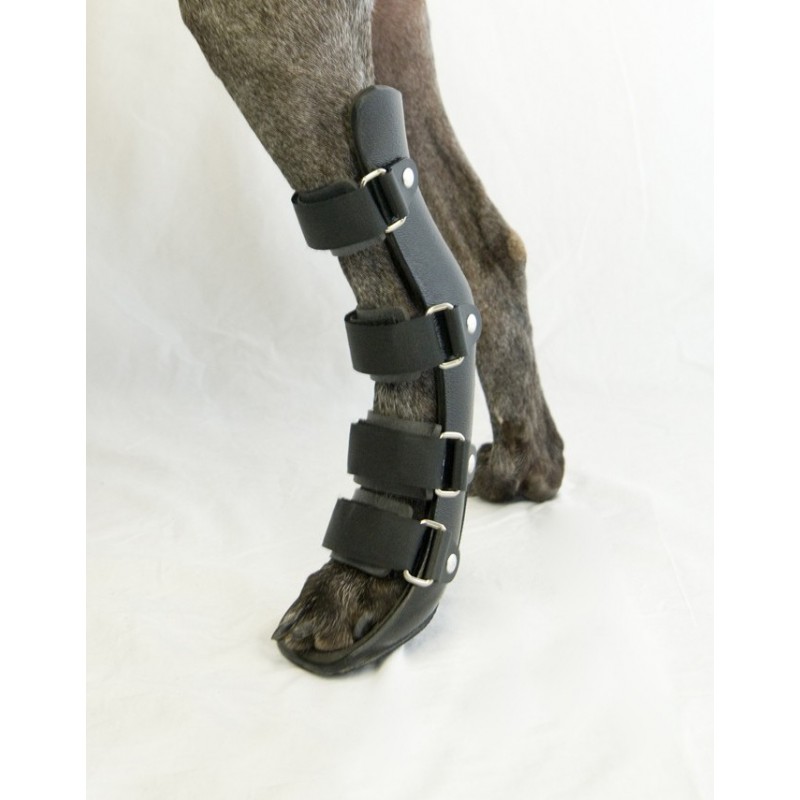
The veterinary orthotics-prosthetics market competition scope is expanding as veterinary professionals and animal owners increasingly seek specialized solutions for mobility limitations, limb injuries, congenital conditions, and rehabilitation needs. Orthotic and prosthetic devices can provide structural support, improve movement, and help animals maintain greater independence during recovery.
The industry is moving beyond conventional orthopedic treatment toward customized mobility solutions. Improvements in digital design, materials, fabrication methods, and veterinary rehabilitation are creating new opportunities for manufacturers to differentiate their products and strengthen relationships with veterinary professionals.
Rising Need for Animal Mobility Solutions
Mobility challenges can affect animals because of injuries, surgery, developmental conditions, neurological disorders, or limb loss. These conditions can make everyday movement difficult and may require additional support alongside veterinary treatment.
Orthotic devices can help stabilize or support affected limbs, while prosthetic solutions can assist animals that have lost part or all of a limb. Their applications can vary depending on the animal's physical condition, activity level, size, and rehabilitation objectives.
Increasing awareness of animal mobility care is supporting interest in these specialized products. Pet owners are also becoming more attentive to long-term quality of life, encouraging greater consideration of rehabilitation and assistive technologies.
Customization Becomes a Key Differentiator
One of the most important areas of competition is customization. Animals have different body structures, movement patterns, and physical requirements, making standardized devices unsuitable for every case.
Manufacturers are therefore focusing on personalized designs that can accommodate individual anatomical characteristics. Accurate measurements and careful fitting can improve comfort while helping the device provide appropriate support.
Customization can also create stronger opportunities for manufacturers to work directly with veterinary clinics and rehabilitation specialists. Businesses capable of adapting products to complex cases may establish a stronger position within specialized applications.
Digital Technologies Transform Device Development
Digital technologies are changing the way veterinary mobility devices are designed and produced. Digital scanning can assist with capturing anatomical measurements, while computer-aided design can support more precise product development.
Three-dimensional printing is another technology attracting attention because it can facilitate customized components and complex designs. It may also allow manufacturers to experiment with different structures without relying entirely on conventional fabrication techniques.
These technologies can support faster design adjustments and greater flexibility. As digital manufacturing capabilities improve, technology adoption may become an increasingly important factor in competitive positioning.
Materials and Design Innovation
Material selection plays an important role in the performance of orthotic and prosthetic products. Devices need to provide sufficient support while remaining comfortable and manageable for animals.
Lightweight polymers, flexible materials, composites, and durable structural components can offer different combinations of strength and flexibility. Manufacturers are exploring designs that reduce unnecessary weight while maintaining functional stability.
Comfort is particularly important because an animal may need to wear a device for extended periods. Designs that reduce pressure points and allow appropriate movement can improve acceptance and support better rehabilitation outcomes.
Expanding Role of Veterinary Rehabilitation
Veterinary rehabilitation is becoming increasingly connected with orthopedic treatment and mobility management. Rehabilitation programs can include controlled exercises, physical therapy, movement training, and supportive technologies.
Orthotic and prosthetic products can complement these programs by helping animals move safely while recovering from injury or adapting to physical changes. This creates opportunities for manufacturers to work more closely with rehabilitation professionals.
The expanding role of rehabilitation may also encourage greater product education. Veterinary professionals need practical information about device selection, fitting, adjustment, maintenance, and patient monitoring.
Diverse Applications Across Animal Categories
The scope of applications extends beyond common household pets. Dogs and cats represent important users, while specialized solutions can also be relevant to working animals, sporting animals, and other veterinary patients.
Each animal category can present different requirements. A highly active animal may need a durable and flexible device, whereas another patient may require greater stabilization and controlled movement.
This diversity gives manufacturers opportunities to develop application-specific solutions. Product portfolios designed around different animal sizes, conditions, and activity levels can help businesses address a broader customer base.
Competition Driven by Service Capabilities
Product quality alone is not the only factor influencing competition. Service capabilities can also affect purchasing decisions among veterinary professionals and animal owners.
Measurement assistance, fitting support, adjustment services, and follow-up guidance can improve the overall user experience. Manufacturers that provide strong technical assistance may have an advantage when products require specialized fitting or ongoing modifications.
Education can further strengthen customer relationships. Training veterinary teams on proper product use can support confidence and encourage greater integration of mobility devices into rehabilitation programs.
Distribution Channels and Professional Networks
Access to veterinary clinics, rehabilitation centers, specialty practices, and professional networks can influence industry expansion. Manufacturers with effective distribution strategies can make specialized products more accessible to veterinary professionals and animal owners.
Direct relationships with clinics can also provide valuable feedback about product performance. This information can support future design improvements and help manufacturers identify unmet requirements.
Digital channels may provide another route for product awareness and customer engagement. However, specialized devices generally require professional assessment, making clinical relationships particularly important.
Innovation Creates New Growth Opportunities
Future opportunities are likely to emerge from continued advances in personalized manufacturing and product design. More adaptable devices could help accommodate changes in an animal's physical condition during rehabilitation.
Smart technologies may also create possibilities for improved monitoring and movement assessment. Although adoption will depend on practical value, cost, and ease of use, technology-supported rehabilitation could expand the range of available solutions.
Manufacturers may also explore designs that combine multiple functions, such as support, protection, flexibility, and adjustability within a single device.
Read More: https://www.pristinemarketinsights.com/veterinary-orthotics-prosthetics-market-report
Future Competitive Outlook
The competitive landscape is expected to remain focused on customization, product performance, comfort, technical expertise, and professional collaboration. Companies that understand the specific needs of veterinary practitioners and animal owners can identify opportunities for differentiated solutions.
Innovation will remain important as manufacturers seek better materials, more precise fabrication techniques, and improved fitting processes. At the same time, service quality and clinical support can help businesses establish stronger relationships within the veterinary ecosystem.
Overall, the industry's future scope will depend on its ability to combine technological development with practical veterinary requirements. Businesses that deliver reliable, comfortable, adaptable, and professionally supported mobility solutions can be well positioned to respond to evolving animal healthcare needs.