Essential Vietnam Travel Bucket List: Top Places to Visit and When to Go
-

- February 25th, 2026
- 1,095 views

👉 Best IPTV Services 2026 – 10,000+ Channels, 4K Quality – Start Free Trial Now
The Vietnam travel bucket list is a guide to the country's most notable places and experiences, from limestone karsts and terraced rice fields to historic urban centers and winding Mekong Delta waterways. This list highlights UNESCO World Heritage sites, national parks, and cultural destinations to help prioritize visits across northern, central, and southern Vietnam.
- Top regions: North (Hanoi, Ha Long Bay, Sapa, Ninh Binh), Central (Hoi An, Hue, Da Nang), South (Ho Chi Minh City, Mekong Delta, Phu Quoc).
- Highlights: UNESCO World Heritage sites, karst landscapes, rice terraces, coastal islands, and living cultural heritage.
- Best time to visit: seasonal variation by region—dry season generally preferred in each area.
Vietnam travel bucket list: Highlights by region
Northern Vietnam
Northern Vietnam combines the capital's streets with dramatic natural scenery. Hanoi offers historic neighborhoods, lakes, and museums. From Hanoi, many travelers visit Ha Long Bay and the surrounding karst islands for boat cruises and limestone scenery. Phong Nha-Ke Bang National Park features extensive cave systems and karst topography recognized for geological significance. Inland, Sapa and the Muong Hoa Valley are known for terraced rice fields and ethnic markets, while Ninh Binh provides riverboat rides through limestone cliffs and access to rural landscapes often described as "inland Ha Long." Many of these areas are designated or managed in partnership with conservation authorities due to fragile ecosystems.
Central Vietnam
Central Vietnam contains a string of cultural and coastal sites. Hoi An preserves an atmospheric old town with historic architecture and traditional craft streets, while nearby My Son is an archaeological complex reflecting Cham civilization. Hue was the historic imperial capital and contains citadels, royal tombs, and pagodas. Da Nang offers beaches and access to the Marble Mountains and coastal scenery linking north and south regions.
Southern Vietnam
Southern Vietnam centers on Ho Chi Minh City (formerly Saigon), bustling markets, French-colonial architecture, and gateway access to the Mekong Delta—a network of waterways, floating markets, and rice-producing islands. The Mekong Delta region supports agriculture and lowland ecosystems that are important for livelihoods and biodiversity. Island destinations such as Phu Quoc provide beaches and marine environments popular with visitors seeking coastal recreation.
Must-see attractions and why they matter
Ha Long Bay (Quang Ninh)
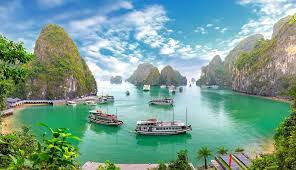
A UNESCO-listed landscape of limestone karsts and islets, Ha Long Bay is prominent for its geological formations and scenic cruises. Conservation and visitor management are ongoing priorities to protect water quality and biodiversity.
Phong Nha-Ke Bang
Home to extensive cave systems and underground rivers, Phong Nha-Ke Bang National Park illustrates significant karst geology and cave biodiversity. It is managed in coordination with national conservation agencies.
Hoi An and Hue
Hoi An's old town and Hue's historic citadel are key for cultural heritage and architecture. These sites illustrate centuries of trade, imperial history, and regional cultural practices.
Sapa and northern highlands
Rice terraces and hill-tribe communities provide landscapes shaped by traditional agriculture. Sustainable tourism practices help balance visitor benefits with cultural and environmental protection.
Planning and practical tips
Getting there and travel within Vietnam
Major international gateways include Hanoi (north) and Ho Chi Minh City (south). Domestic travel options typically include rail, highways, and domestic flights connecting major cities, as well as river transport in the Mekong Delta. Local transport ranges from buses and trains to boat services for riverine areas; motorbikes are widely used but require local knowledge and appropriate safety precautions.
When to visit
Vietnam's climate varies by region. Northern areas have cool winters and hot summers, central coastal zones can experience pronounced wet seasons and typhoons, and the south has a tropical wet/dry pattern. Planning by region reduces weather-related disruptions.
Safety, health, and travel documents
Basic preparations include checking entry requirements, local public health guidance, and travel advisories from official national authorities. Travelers should register travel plans with their accommodation where appropriate and follow local regulations and guidance from relevant regulators and tourism authorities.
Conservation, cultural heritage, and responsible travel
Many sites on a Vietnam travel bucket list are protected for natural or cultural value. Official organizations such as the Vietnam National Administration of Tourism and the Ministry of Culture, Sports and Tourism are involved in managing visitor access and heritage protection. UNESCO maintains a list of World Heritage sites in Vietnam that includes Ha Long Bay, Hue, Hoi An, and Phong Nha-Ke Bang; further information is available from the UNESCO World Heritage Centre UNESCO World Heritage Centre. Observing local rules, supporting certified guides, and respecting cultural sites help preserve landscapes and traditions.
Where to prioritize time
For a short visit (5–7 days), choose one region—northern or southern—to reduce transit time. For 10–14 days, combine two regions (for example Hanoi plus Ha Long Bay and Sapa, or Ho Chi Minh City plus the Mekong Delta and a coastal stop). Extended trips allow more remote areas and national parks to be included.
What should be on a Vietnam travel bucket list?
Include a mix of natural and cultural highlights: Ha Long Bay, Phong Nha caves, Hoi An old town, Hue citadel, Sapa rice terraces, Ninh Binh river valleys, Ho Chi Minh City’s urban sites, and Mekong Delta waterways. Adding time in national parks, coastal islands, and local markets offers a broader view of landscapes and living culture.
When is the best time to visit Vietnam?
Seasonal patterns vary by region. The dry season in each region is often preferred for outdoor activities: typically October–April in the north, February–August in the central coast (avoiding typhoon season), and December–April in the south. Consult official weather and tourism sources when planning.
How many days are recommended to see main sites?
Five to seven days allow a focused regional visit; ten to fourteen days permit travel between regions. Multi-week itineraries enable deeper exploration, including national parks and remote cultural areas.
Is Vietnam safe for travelers?
Vietnam is a frequently visited destination with established tourism infrastructure. Common-sense precautions, awareness of local traffic conditions, and adherence to health advisories help reduce risks. Official travel advisories and local authorities provide up-to-date information on safety and regulations.