How Virtual Reality Is Changing Breast Augmentation Consultations in Dubai
-

- Published Updated
- 1,768 views
How Virtual Reality Is Changing Breast Augmentation Consultations in Dubai
Virtual reality in breast augmentation consultations in Dubai is being adopted by clinics and surgeons to improve patient understanding, visualization of outcomes, and shared decision-making. The technology can combine three-dimensional imaging, simulation software, and patient-specific data to give prospective patients a clearer sense of likely results before surgery.
This article explains how virtual reality (VR) is used in breast augmentation consultations in Dubai, outlines potential benefits and limitations, summarizes typical clinical workflows, and highlights regulatory and ethical considerations. It references guidance from health regulators and professional organizations and provides practical tips for patients and clinics.
Virtual reality in breast augmentation consultations in Dubai
Clinics in Dubai are integrating VR tools that allow patients to view simulated surgical outcomes in immersive environments or on interactive 3D displays. These tools generally build on preoperative imaging—such as 3D surface scanning or standard photography—then apply implant size, shape, and placement variables to generate visual simulations. Integration aims to improve informed consent, manage expectations, and facilitate dialogue between patient and surgeon.
How the technology is used
Imaging and data capture
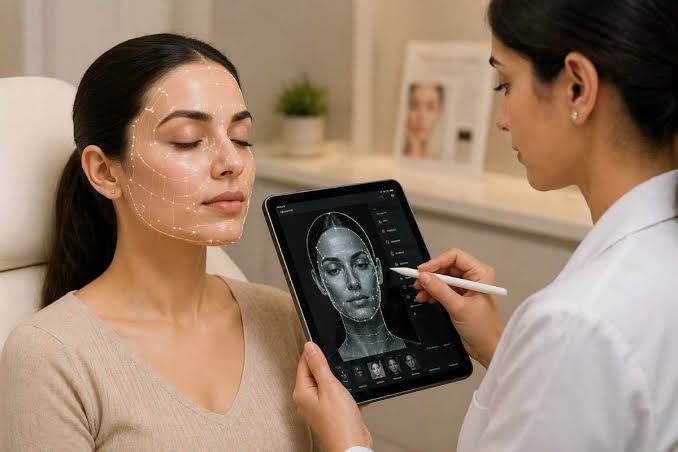
Typical workflows start with standardized photography or 3D surface scanning to capture breast anatomy. Measurements and high-resolution images are used to create a virtual model that reflects chest wall contours, tissue thickness, and symmetry. The fidelity of simulation depends on image quality and software algorithms.
Simulation and visualization
Simulation software can apply different implant options (volume, profile, placement) and show anterior, lateral, and oblique views. VR headsets or large-screen 3D viewers provide immersive visualization; some systems offer side-by-side comparisons and adjustable parameters so patients can preview multiple scenarios. Interactive tools may allow patients to select preferred outcomes and discuss trade-offs with the surgeon.
Consultation and shared decision-making
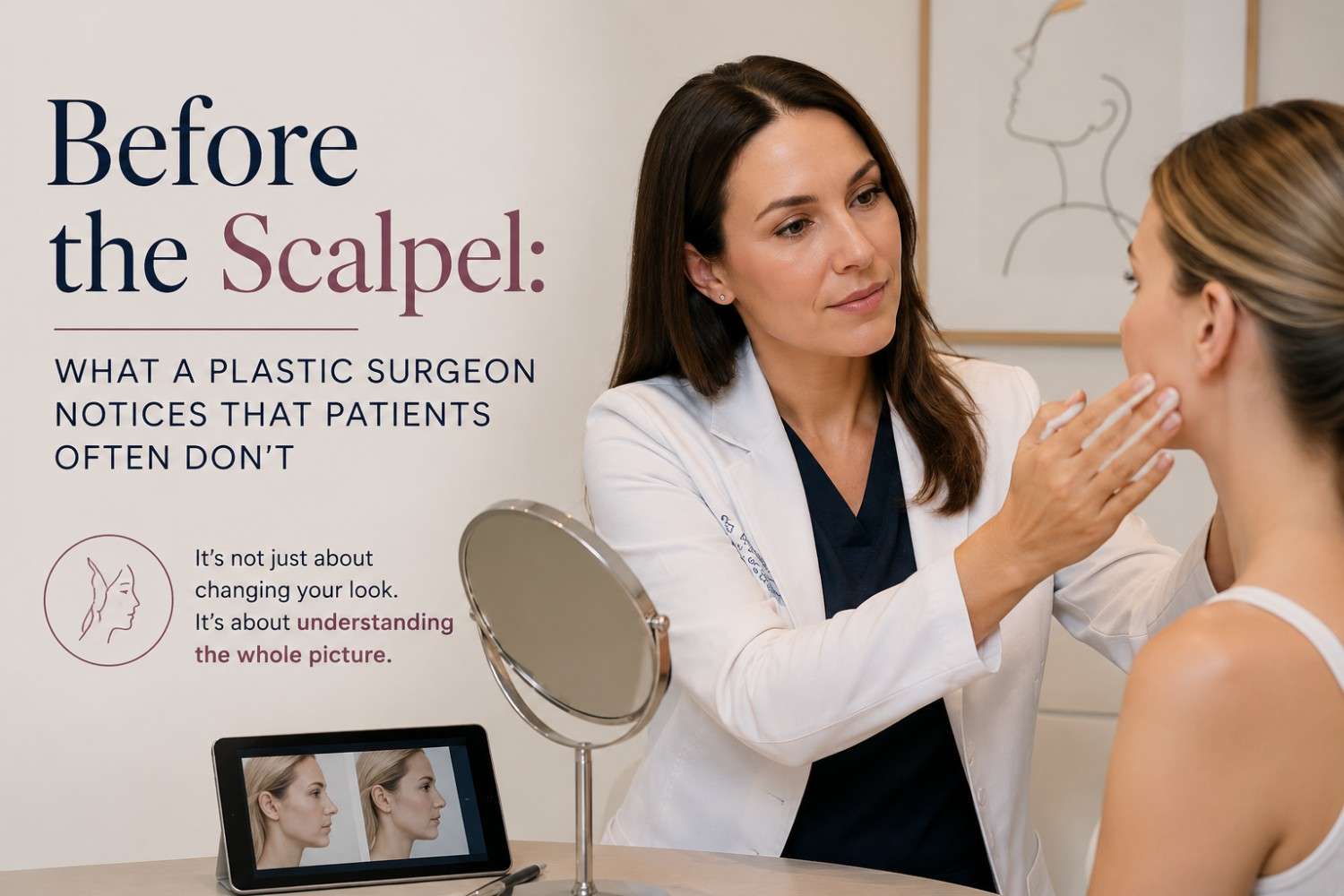
Using VR during the consultation can support clearer communication about achievable results, scarring, and proportional changes. Surgeons can use simulations to point out limitations and areas of uncertainty, and document which visualizations were shown as part of the informed consent conversation.
Potential benefits and limitations
Benefits
- Improved patient understanding of expected outcomes and realistic expectations.
- Enhanced shared decision-making, enabling selection of implant size and profile that matches patient goals.
- Visual documentation that can aid preoperative planning and follow-up discussions.
Limitations and risks
- Simulations are estimates, not guarantees; tissue response, healing, and implant positioning can alter outcomes.
- Variability in software accuracy between systems and potential for over-reliance on visualizations.
- Patient perception can be influenced by device display quality or unrealistic renderings, requiring careful counseling.
Clinical, regulatory, and ethical considerations
Clinical validation and evidence
Evidence on how VR affects surgical outcomes, patient satisfaction, and consent quality is emerging in peer-reviewed literature. Clinics implementing VR should seek systems with documented accuracy and consider participating in audits or studies to measure impact. Academic research in surgical simulation and aesthetic outcomes provides context for adoption.
Regulation and data protection
Healthcare providers in Dubai should follow local regulations for medical devices, patient data protection, and clinical practice. The Dubai Health Authority and other regional regulators provide standards relevant to digital health tools and medical imaging; clinics should ensure compliance with registration, data security, and patient consent requirements. For regulatory guidance, refer to the Dubai Health Authority website: Dubai Health Authority.
Ethical communication
Presenting simulations requires transparent discussion about uncertainty and possible variations. Clinicians should avoid promising specific cosmetic results solely based on VR images and should document counseling about limitations and alternative options.
Practical tips for patients and clinics
For patients
- Ask how images are captured and whether the simulation reflects your tissue characteristics.
- Request to see multiple scenarios and discuss what could change during healing.
- Confirm how simulated outcomes were used as part of informed consent.
For clinics
- Choose validated systems and train staff on standardized imaging protocols.
- Document consultations that use VR and explain limitations in writing.
- Ensure secure storage of images and compliance with local health data rules.
Future directions
Advances in computational modeling, augmented reality overlays during surgery, and integration with outcome registries are likely to refine predictive accuracy. Continued evaluation through clinical studies and audits will help determine which approaches improve patient satisfaction and safety.
Frequently asked questions
What is virtual reality in breast augmentation consultations in Dubai and how is it used?
Virtual reality in breast augmentation consultations in Dubai refers to software and hardware combinations that create 3D visualizations of potential surgical outcomes using patient images and measurements. It is used to demonstrate implant options, manage expectations, and support shared decision-making, but simulations are not guarantees of final results.
Is VR accurate enough to choose implant size?
VR can help narrow choices by visualizing different sizes and profiles, but it should be one component of decision-making alongside clinical examination and surgeon expertise. Tissue characteristics and healing affect final appearance.
Are there privacy concerns with using VR imaging?
Yes. Patient images and 3D models are personal health data; clinics must secure storage, obtain appropriate consent for use, and comply with local data protection regulations and health authority guidance.
Do regulatory bodies provide guidance on using VR in consultations?
Regulators such as the Dubai Health Authority and professional surgical societies offer guidance on device use, data protection, and clinical best practices. Clinics should consult local regulators and existing professional standards when adopting VR tools.