Comprehensive Guide to Waist Sculpting in Riyadh: Options, Safety, and Local Resources
-

- Published Updated
- 1,354 views

Interest in waist sculpting in Riyadh has grown as more residents explore body-contouring options available in the city. This guide summarizes common procedures, safety checkpoints, regulatory context, and practical steps for evaluating clinics and professionals when considering waist-focused body contouring.
Waist sculpting includes surgical procedures such as liposuction and abdominoplasty and non-surgical treatments like radiofrequency and cryolipolysis. Regulatory oversight in Saudi Arabia is provided by entities such as the Saudi Ministry of Health and the Saudi Food and Drug Authority. Key considerations include practitioner qualifications, facility licensing, realistic expectations for results and recovery, and documented safety protocols.
Understanding waist sculpting in Riyadh: main approaches
Surgical options
Surgical body-contouring procedures often used to reduce waist circumference include liposuction (targeted fat removal) and abdominoplasty (tummy tuck). These procedures can change body shape by removing or repositioning fat and tissue. Surgical approaches are performed under anesthesia in accredited operating rooms and typically require a recovery period, wound care, and follow-up visits.
Non-surgical and minimally invasive treatments
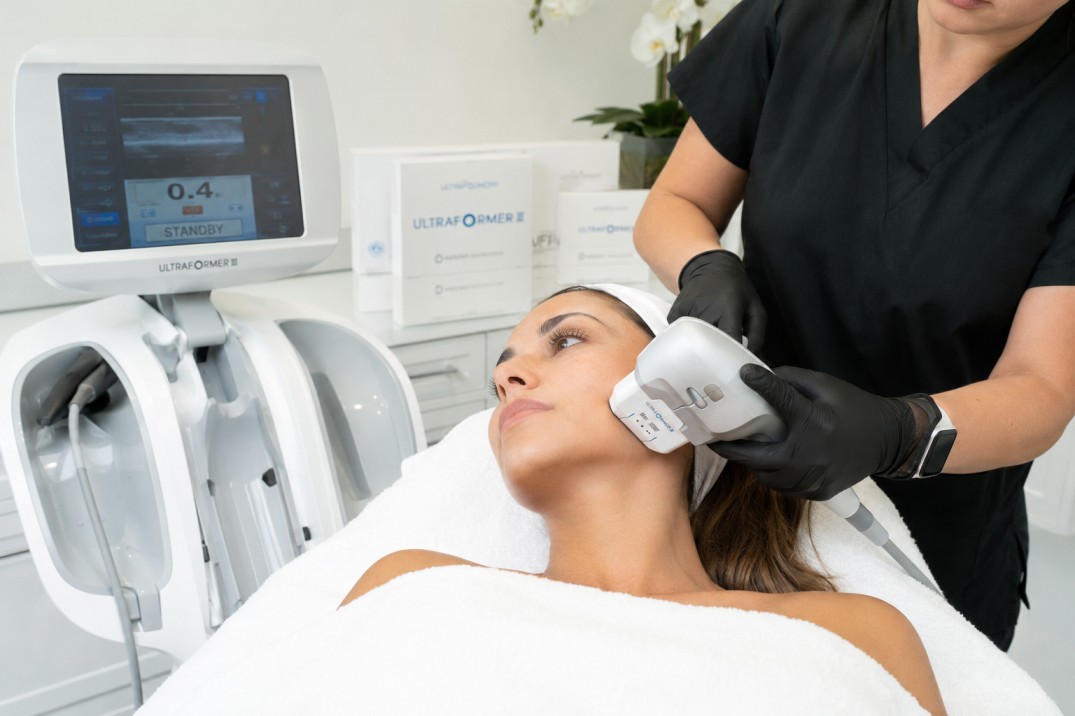
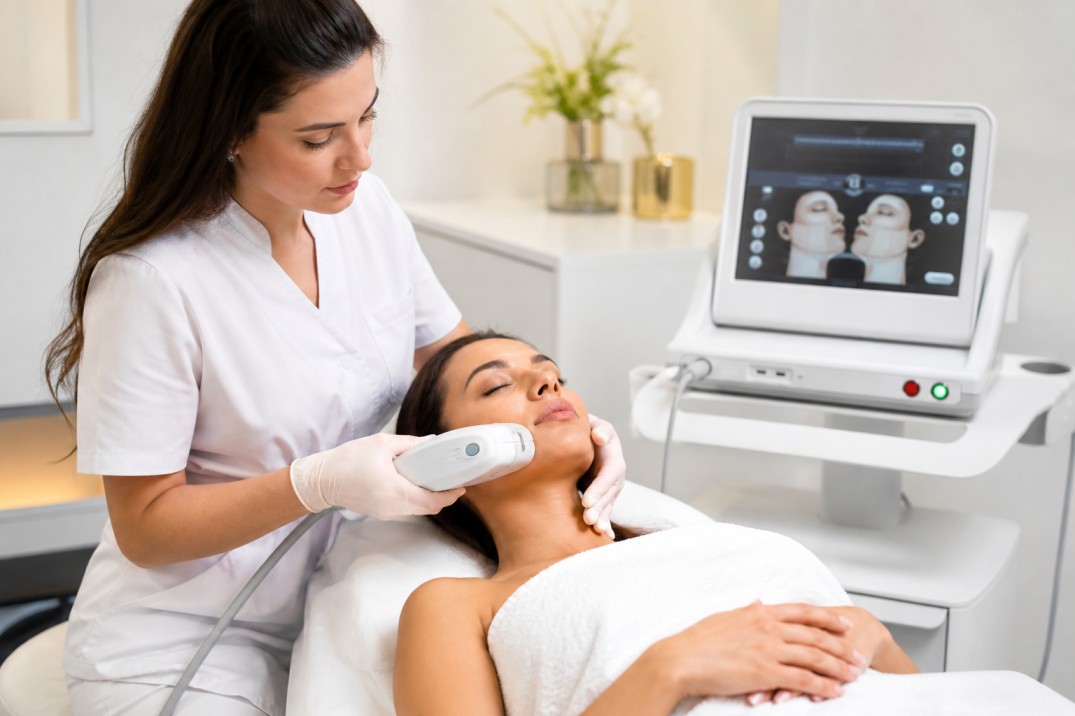
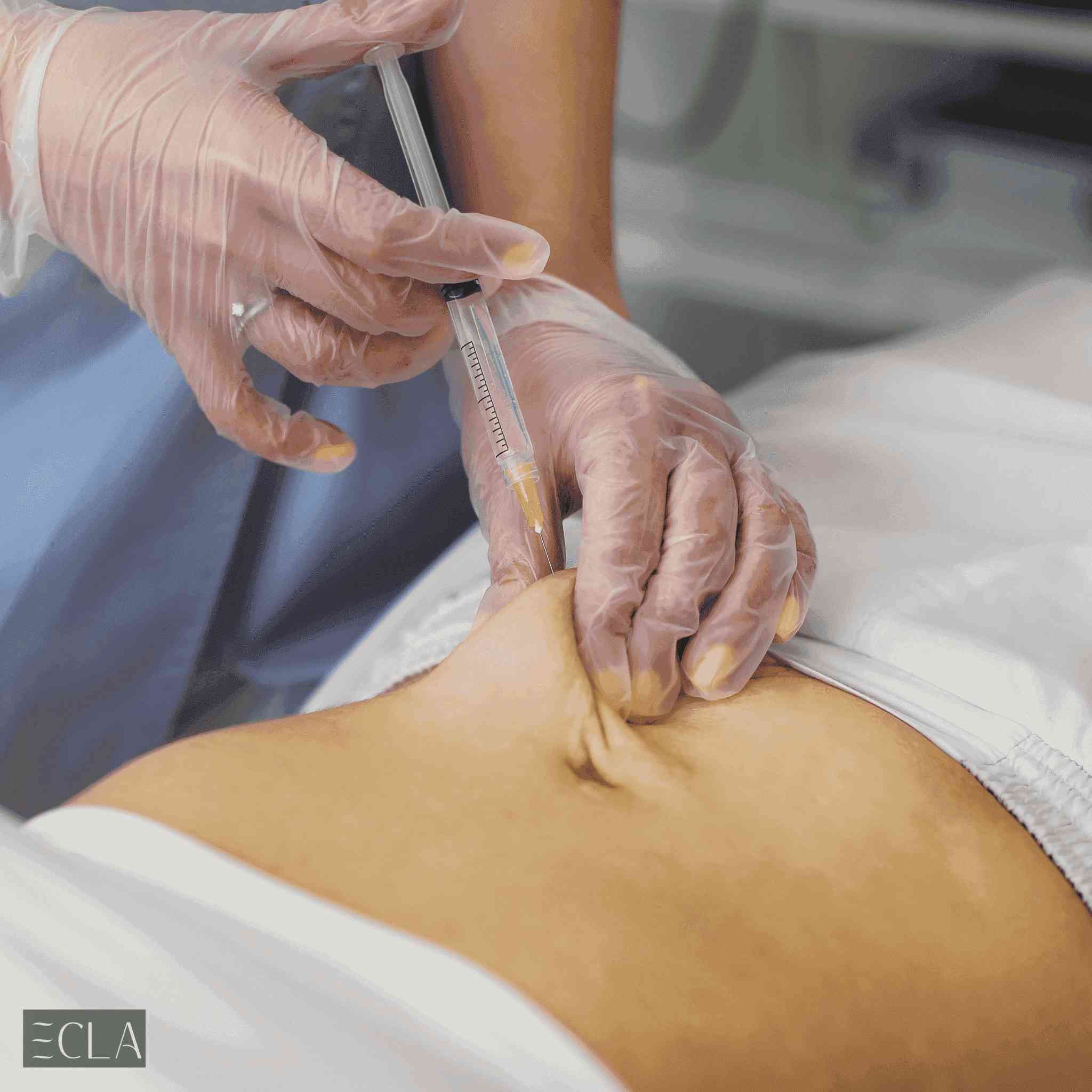
Non-surgical alternatives use energy-based devices (laser, radiofrequency, ultrasound) or cold-based methods (cryolipolysis) to reduce localized fat or tighten skin. These treatments generally involve multiple sessions, have shorter recovery times, and produce more gradual results than surgery. Effectiveness varies by technology, treatment plan, and individual factors.
Safety, regulation, and professional standards
Regulatory context
Health regulation in Saudi Arabia is overseen by national bodies that set licensing and safety standards for facilities, devices, and practitioners. The Saudi Ministry of Health and the Saudi Food and Drug Authority provide guidance and licensing frameworks that clinics and manufacturers must follow. For official information on facility licensing and public health guidance, the Saudi Ministry of Health maintains resources for patients and professionals (Saudi Ministry of Health).
Qualifications and facility accreditation
Look for board-certified plastic surgeons or qualified specialists with documented training in body-contouring procedures. Facilities should be accredited and equipped for the level of care required by the chosen procedure, including anesthesia monitoring and emergency protocols. Verified credentials and transparent clinical histories are important trust signals.
Choosing a clinic or practitioner
Questions to ask before booking
- What are the practitioner’s qualifications, certifications, and years of experience with the specific procedure?
- Is the facility licensed and accredited for surgical or non-surgical procedures?
- What are the expected outcomes, possible complications, and recovery timeline?
- Are before-and-after photos available from previous patients with similar body types?
- What is included in the total cost, and are follow-up appointments part of the care plan?
Red flags to avoid
Be cautious if a provider guarantees dramatic results, pressures for immediate payment, lacks clear documentation of credentials, or performs surgical procedures in non-accredited settings. Clear communication about risks, recovery, and realistic outcomes is a sign of professional care.
Preparing for procedure, recovery expectations, and follow-up
Pre-procedure evaluation
A pre-procedure assessment typically includes a medical history, physical exam, and discussion of goals. Staff should review potential risks and alternatives and outline perioperative instructions, such as medication adjustments and fasting rules for surgeries.
Recovery and realistic outcomes
Recovery timelines depend on the procedure type and individual health. Surgical recovery may include swelling, bruising, activity restrictions, and follow-up visits for wound checks. Non-surgical treatments often have shorter recovery and may require multiple sessions to achieve visible changes. Long-term maintenance commonly involves lifestyle measures such as balanced nutrition and regular physical activity.
Costs and practical considerations
Cost factors
Costs vary by procedure complexity, facility type, practitioner experience, and whether anesthesia or overnight care is required. Some clinics offer packaged care that includes consultation, the procedure, and follow-up; request a clear written estimate and inquire about financing or refund policies if applicable.
Travel and scheduling
Local residents can schedule consultations to compare options and timelines. For those traveling to Riyadh for treatment, plan for at least the recommended follow-up period and confirm who will provide postoperative care if returning home before full recovery.
Evidence and outcomes
What to expect from research
Clinical studies demonstrate that both surgical and non-surgical methods can change body contours, but outcomes vary. Long-term success often combines procedural results with sustained lifestyle habits. Patients are advised to review peer-reviewed literature or summaries from recognized professional societies for context on efficacy and safety profiles.
Local resources and support
Where to find verified information
Official health authorities and professional medical societies provide directories, licensing information, and patient safety guidance. Local hospitals and accredited clinics should be able to provide evidence of licensing and credential verification.
Frequently asked questions
Is waist sculpting in Riyadh safe?
Safety depends on the procedure type, practitioner qualifications, facility accreditation, and adherence to national regulatory standards. Verify licensing and credentials and review documented safety protocols before proceeding.
How long do results typically last?
Duration of results varies. Surgical procedures often produce longer-lasting contour changes, while non-surgical treatments may require maintenance sessions. Lifestyle factors influence long-term outcomes.
What should be included in a consultation?
A comprehensive consultation should cover medical history, realistic outcome expectations, risks and alternatives, recovery plans, cost estimates, and documented practitioner qualifications.
Are non-surgical options effective for waist reduction?
Non-surgical treatments can reduce localized fat and improve skin tone for some individuals, but results are generally more modest and gradual compared with surgical options. Multiple sessions may be necessary.