Waist Shaping in Riyadh: Practical Fitness and Lifestyle Guide
-

- February 23rd, 2026
- 1,250 views
The path to a slimmer midsection often starts with a clear plan that balances movement, nutrition, and daily habits. This guide focuses on waist shaping Riyadh residents can realistically follow while accounting for local climate, facilities, and cultural preferences. It emphasizes safe, evidence-informed approaches that support gradual changes in body composition and functional fitness rather than quick fixes.
Content covers practical workouts suitable for home or gym, basic nutrition principles, recovery and lifestyle tips, local resources in Riyadh, and simple ways to measure progress. Wherever possible, guidance references public health recommendations and encourages consultation with healthcare or certified fitness professionals before beginning a new program.
- Combine cardiovascular activity, core-strengthening, and resistance training to support waist shaping.
- Focus on a balanced, sustainable eating pattern and hydration rather than restrictive diets.
- Adapt workouts to Riyadh’s climate by using early morning/evening outdoor times or indoor options.
- Track progress with consistent measurements and functional performance, not only the scale.
- Consult official guidance from health authorities (for example, the World Health Organization) and local health services when needed.
Key principles for waist shaping Riyadh residents
Focus on energy balance and nutrient quality
Reducing body fat around the waist typically requires a consistent calorie balance that supports gradual fat loss while preserving muscle. Prioritize whole grains, vegetables, lean protein, legumes, healthy fats, and adequate fluids. Frequent large meals or overly restrictive plans are less sustainable than moderate, balanced choices that fit personal preferences and cultural foods common in Riyadh.
Combine cardio, strength, and core work
Cardiovascular exercise helps create an energy deficit and improves cardiovascular health. Include moderate-intensity sessions (brisk walking, cycling, or group classes) and consider higher-intensity intervals if appropriate. Resistance training (bodyweight, free weights, or machines) preserves and builds lean muscle, which supports resting metabolism. Core exercises improve muscular endurance and posture; examples include planks, anti-rotation holds, and controlled hip hinges. Avoid promises of spot reduction—fat loss occurs systemically.
Recovery, sleep, and stress management
Sleep and stress influence hormones related to appetite and fat storage. Aim for regular sleep patterns, manage stress with breathing exercises or low-intensity movement, and schedule rest days to allow recovery. These factors support long-term results and daily functioning.
Practical workout options for Riyadh conditions
Home routines and minimal equipment
Short circuits using bodyweight moves can be effective: squats, lunges, push-ups, glute bridges, planks, and mountain climbers. Add resistance bands or dumbbells as available. Structure sessions as 20–40 minute circuits, alternating strength-focused days with cardio or movement-based sessions.
Indoor and outdoor considerations
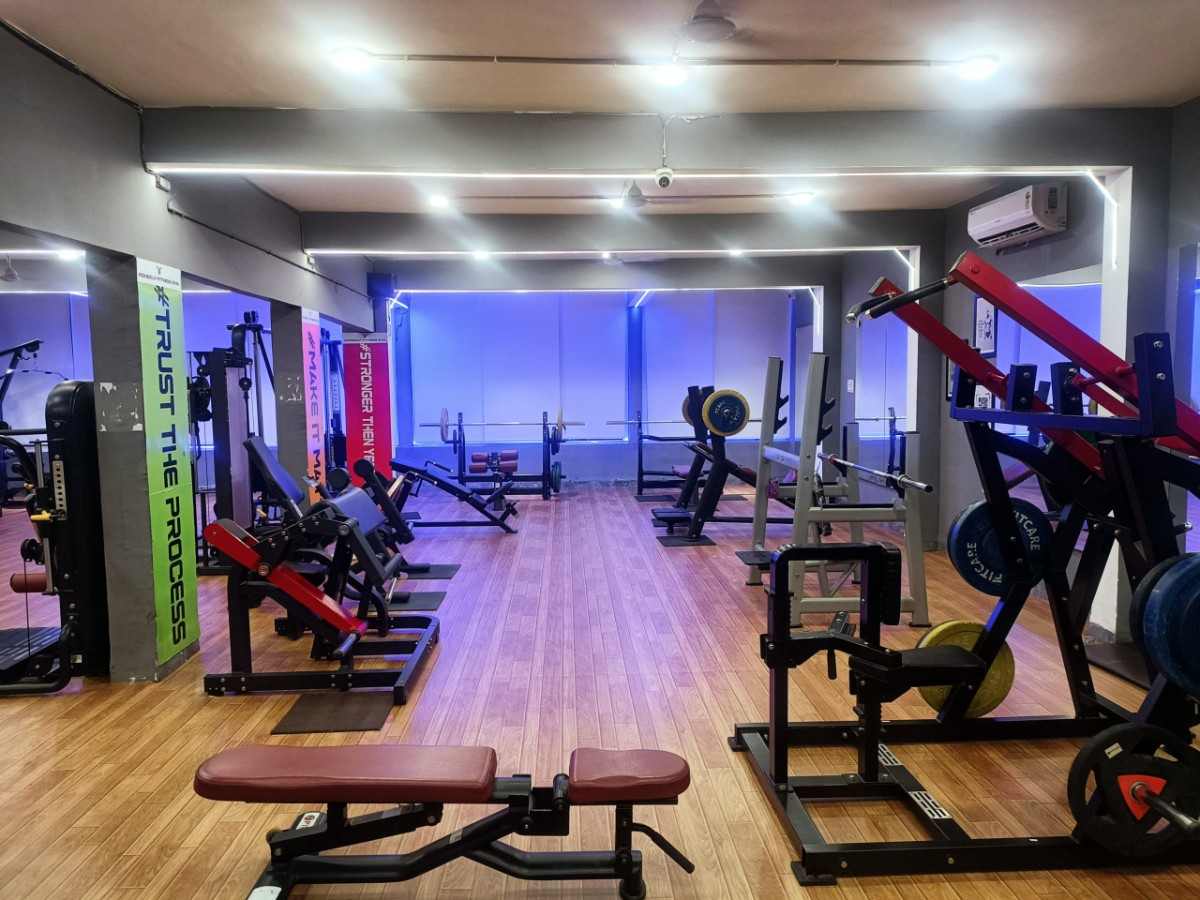
Riyadh’s hot climate makes indoor workouts or early-morning/evening outdoor sessions safer most of the year. Public fitness centers, sports halls, and indoor pools provide climate-controlled options. Many neighborhoods offer walking paths or parks—confirm opening hours and shade availability. Female-only facilities and women-only class options are widely available in Riyadh for those who prefer them.
Group classes and professional support
Group exercise can increase motivation and adherence. Look for certified trainers or classes at licensed gyms. For medical conditions or complex needs, consult local healthcare providers or a registered dietitian. The Saudi Ministry of Health provides local resources and public health guidance.
Nutrition basics without fad diets
Portion control and meal composition
Balance meals with vegetables or salads, a source of protein (plant or animal), a moderate portion of carbohydrates (whole grains, legumes), and healthy fats (olive oil, nuts). Eating patterns that are culturally appropriate and provide satiety are more sustainable than restrictive quick-fix diets.
Hydration and meal timing
Maintain regular hydration, especially in hot climates. Time meals around training so energy is available for performance and recovery—simple carbohydrate and protein combinations after exercise aid muscle repair.
Tracking progress and setting realistic goals
Measurements and performance markers
Use a consistent waist circumference measurement (same location, same time of day) to monitor changes. Combine this with performance indicators: increased strength, improved endurance, more reps, or faster recovery. Photos and how clothes fit are practical long-term markers.
Timeframe and expectations
Healthy, sustainable fat loss often occurs at a rate of about 0.25–0.5 kg (0.5–1 lb) per week for many people. Individual responses vary based on genetics, starting point, and adherence. Prioritize steady habits that can be maintained year-round.
Safety and official guidance
When to seek professional advice
Talk with a healthcare provider before starting an intense program if there are chronic conditions, recent surgeries, or medications that affect exercise capacity. For public health recommendations on physical activity, see the World Health Organization guidance on physical activity levels: WHO: Physical activity Q&A. Local services such as the Saudi Ministry of Health can provide region-specific advice and resources.
Getting started: a simple weekly template
Example (non-prescriptive)
- Day 1: Strength circuit (30–40 min) — full-body focus
- Day 2: Active recovery — light walk, mobility, stretching
- Day 3: Cardio intervals (20–30 min) — cycling, treadmill, or HIIT
- Day 4: Strength (lower-body emphasis) + core work
- Day 5: Moderate-intensity steady-state cardio (30–45 min)
- Day 6: Functional training or group class
- Day 7: Rest or gentle mobility
Adaptation and progression
Gradually increase intensity, volume, or resistance as fitness improves. Avoid abrupt increases that raise injury risk.
Frequently asked questions
What is the best approach to waist shaping Riyadh residents can use?
A balanced approach that combines regular cardiovascular activity, progressive resistance training, core-strengthening, adequate sleep and stress management, and a sustainable eating pattern is most effective. Customize timing and location of activities to Riyadh’s climate and available facilities.
Can specific exercises target belly fat?
Spot reduction is not supported by scientific evidence. Core exercises strengthen and tone abdominal muscles but overall fat reduction comes from whole-body activity and an appropriate energy balance.
How often should beginners exercise?
Beginners can start with 3 sessions per week combining strength and cardio, gradually increasing frequency to 4–6 days as fitness improves. Rest and recovery days are important.
Are supplements necessary for waist shaping?
Supplements are not required for most people. Emphasize a balanced diet first. Consult a healthcare professional before starting any supplement, especially if taking medications.
Where can residents find certified trainers or classes in Riyadh?
Look for licensed fitness centers, community sport clubs, and accredited trainers with recognized certifications. Many gyms list trainer qualifications and class schedules; local health authorities can also provide referrals.