Warehouse Safety and Compliance: Practical Measures Companies Use
-

- February 23rd, 2026
- 1,197 views
Warehousing safety and compliance are essential elements of modern logistics and supply chain management. Companies that manage storage, distribution, and fulfillment deploy a combination of regulatory adherence, staff training, engineering controls, and monitoring systems to reduce risk, protect workers, and meet legal obligations.
- Regulatory frameworks (OSHA, DOT, NFPA, EPA) set baseline requirements for warehouses.
- Risk assessment, engineering controls, and administrative procedures are core to compliance.
- Training, inspections, incident response, and documentation support continuous safety improvement.
- Technology—automation, sensors, and software—enhances monitoring and recordkeeping.
Warehousing safety and compliance
This section explains key legal and standard-based frameworks that shape how warehousing companies ensure safety and compliance. Regulatory bodies such as the U.S. Occupational Safety and Health Administration (OSHA), the Department of Transportation (DOT) for hazardous shipments, the National Fire Protection Association (NFPA) for fire codes, and environmental regulators set mandatory requirements. International standards like ISO 45001 (occupational health and safety management) and ISO 9001 (quality management) provide structured approaches for risk control and continuous improvement.
Risk assessment and hazard control
Identifying hazards
Warehouses typically conduct systematic risk assessments to identify hazards related to material handling, racking systems, vehicle movements (forklifts and trucks), slips and falls, manual lifting, cold storage, and storage of hazardous materials. Material Safety Data Sheets (MSDS) or Safety Data Sheets (SDS) inform handling procedures for chemicals and combustible products.
Hierarchy of controls
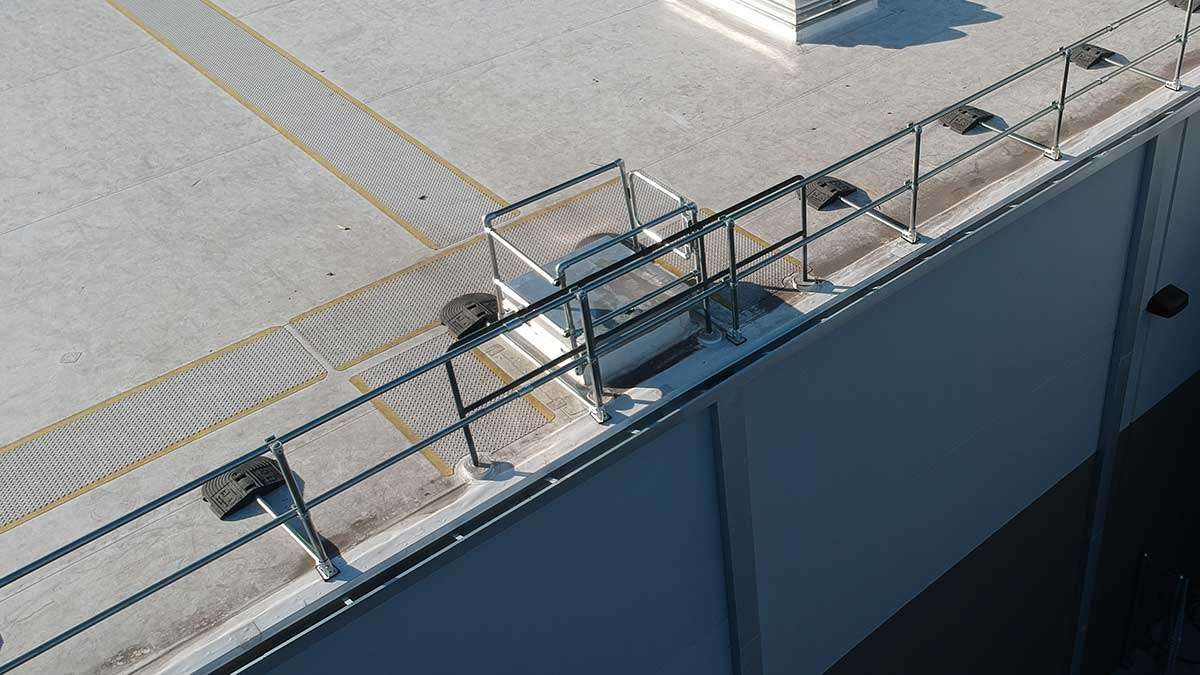
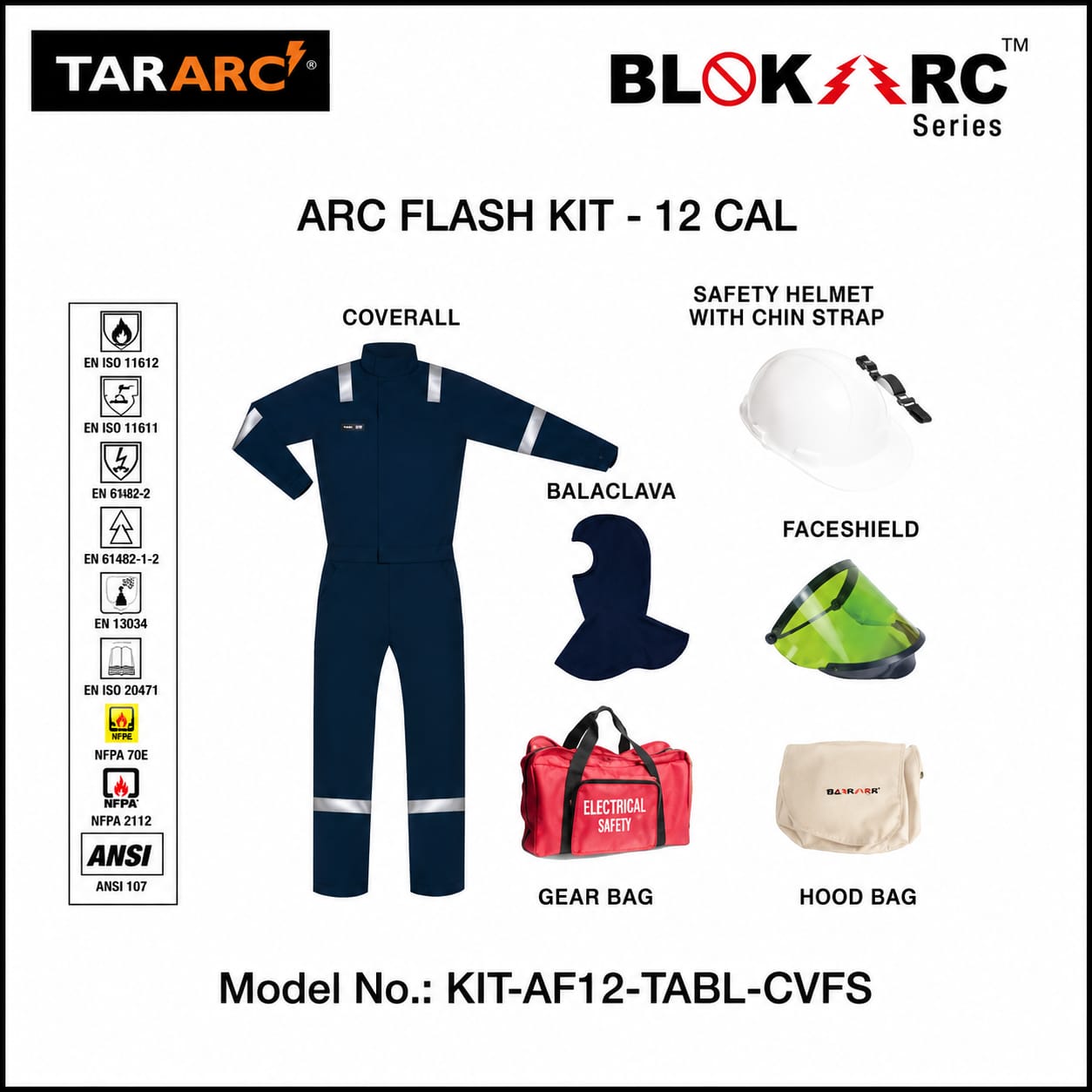
Organizations apply the hierarchy of controls—elimination, substitution, engineering controls, administrative controls, and personal protective equipment (PPE)—to reduce exposure to hazards. Examples include redesigning workflows to eliminate unnecessary manual lifts, installing guardrails and safety cages, and using mechanical aids for heavy loads.
Engineering and physical controls
Facility design and equipment
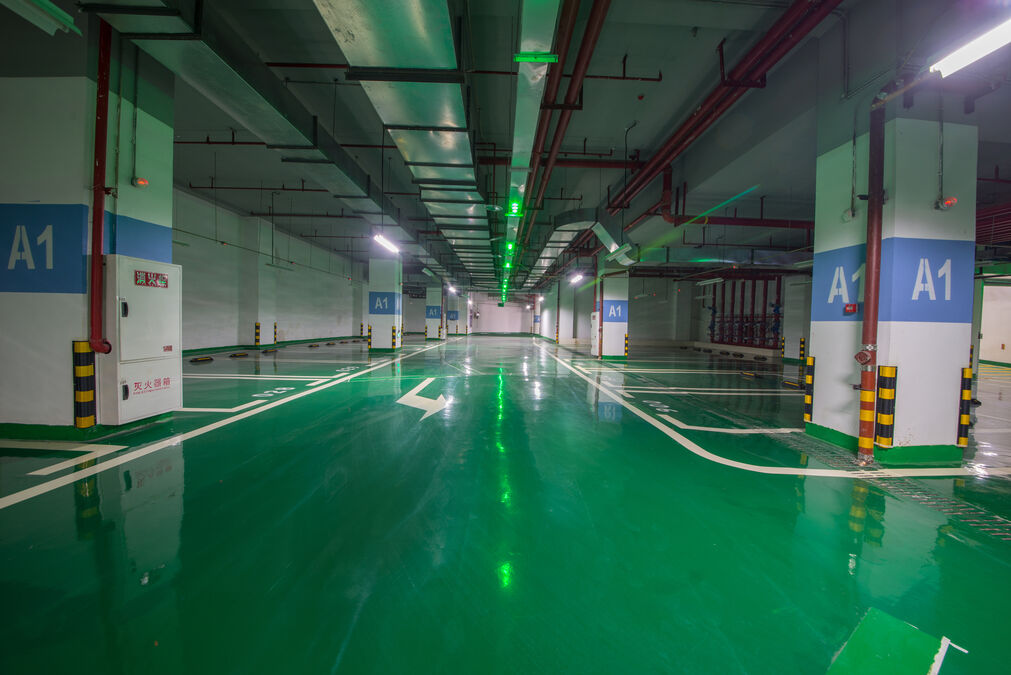
Racking systems, mezzanines, lighting, ventilation, and flooring are designed to meet load, visibility, and environmental requirements. Fire suppression systems, sprinkler layouts, emergency exits, and signage are installed to comply with local fire codes and NFPA guidelines. Dock design and vehicle separation reduce collision risks.
Maintenance and equipment inspections
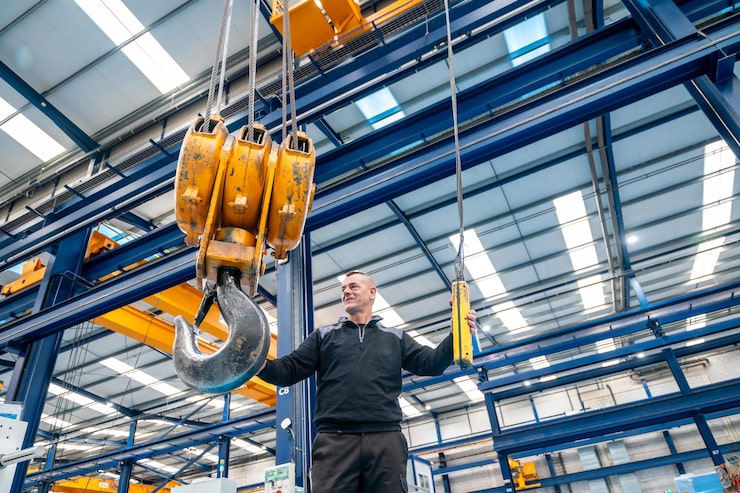
Planned preventive maintenance and regular inspections of forklifts, conveyors, lifts, pallet jacks, and fire protection systems help prevent equipment failures. Documentation of maintenance activities supports compliance during regulatory inspections and internal audits.
Training, competency, and workplace procedures
Worker training programs
Training covers safe operating procedures for powered industrial trucks, proper stacking and storage, hazard communication, emergency response, and ergonomics. Competency verification—through tests or supervised practice—ensures employees understand procedures before performing tasks independently.
Operational procedures
Standard operating procedures (SOPs) and safety policies define responsibilities, permit-required activities, lockout/tagout for equipment, and confined-space entry rules. Permit systems and clear authorization processes reduce the chance of unsafe work.
Monitoring, audits, and continuous improvement
Inspections and audits
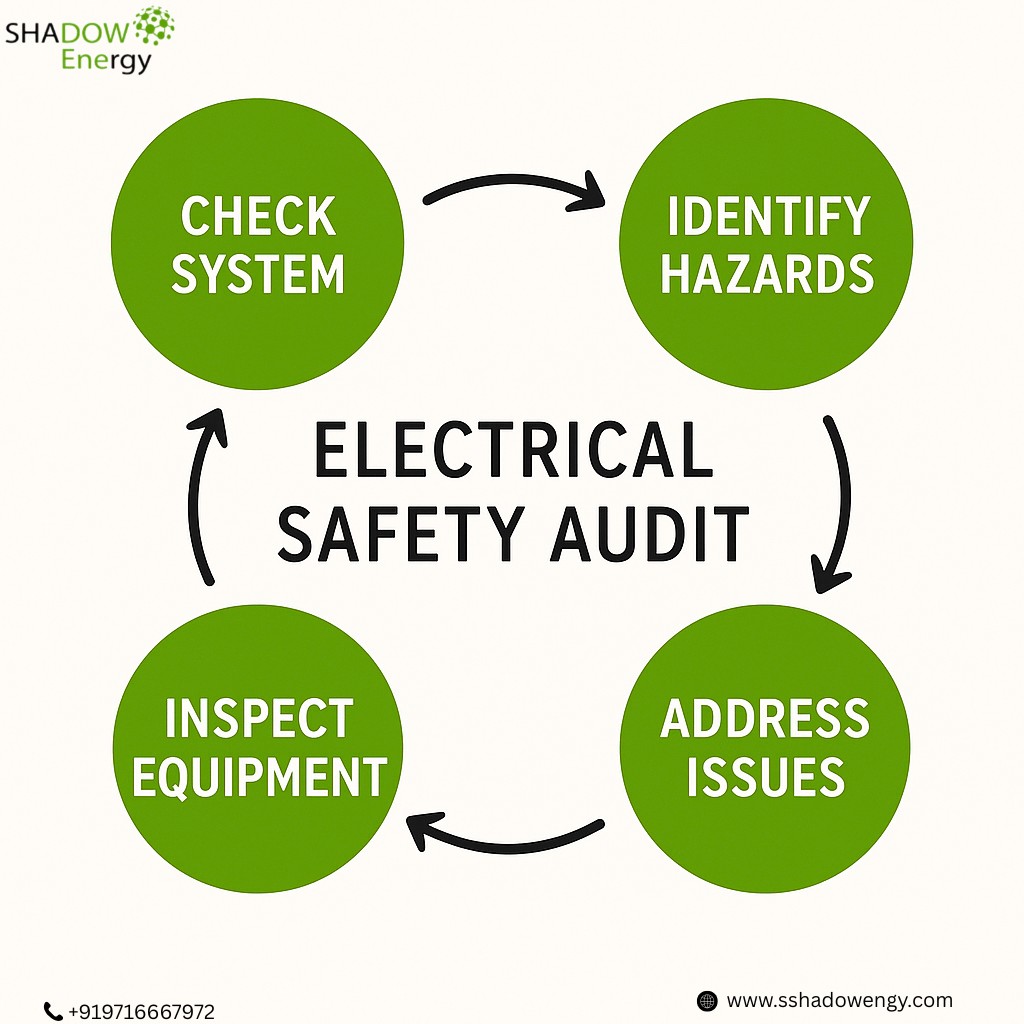
Routine safety inspections and internal audits evaluate adherence to policies, identify corrective actions, and measure progress against key performance indicators (KPIs) such as incident rates and near-miss reports. External audits may assess compliance with ISO standards or legal requirements.
Incident investigation and corrective action
When incidents occur, structured investigation methods (root cause analysis) determine contributing factors and corrective actions. Lessons learned are integrated into training and procedures to prevent recurrence.
Documentation, recordkeeping, and regulatory reporting
Accurate documentation includes training records, inspection checklists, maintenance logs, incident reports, SDS inventories, and shipment manifests. Records support regulatory reporting obligations and demonstrate due diligence during regulatory inspections or third-party assessments.
Technology and automation
Sensors and monitoring systems
Environmental sensors (temperature, humidity), load sensors on racking, and CCTV improve situational awareness. Warehouse Management Systems (WMS) and Transportation Management Systems (TMS) control inventory location, batch tracking, and movement restrictions to reduce human error.
Automation and robotics
Automated storage and retrieval systems (AS/RS), robotics, and automated guided vehicles (AGVs) can reduce manual handling risks but require safety zoning, light curtains, and interlocks to protect human workers.
Special considerations: hazardous materials and cold storage
Handling hazardous materials in warehouses requires compliance with DOT, EPA, and local hazardous materials regulations, including segregation, secondary containment, spill response plans, and specialized training. Cold storage facilities add risks related to hypothermia, frostbite, and mechanical refrigeration systems, which demand additional PPE, monitoring, and maintenance.
Working with regulators and standards
Engaging with regulators and following recognized standards helps align practices with legal expectations. For detailed regulatory guidance and resources on workplace safety obligations, consult the Occupational Safety and Health Administration: OSHA.
Conclusion
Maintaining safety and compliance in warehousing is a multi-faceted effort combining regulation, engineering, training, monitoring, and continuous improvement. Clear procedures, reliable documentation, and investment in people and technology help organizations manage risk and meet legal and customer requirements.
What is warehousing safety and compliance and why is it important?
Warehousing safety and compliance refers to the practices, procedures, and legal requirements that protect workers, inventory, and assets in storage and distribution facilities. It is important because it reduces injuries, prevents property damage, limits supply chain disruptions, and ensures adherence to laws and standards.
How do companies train staff for warehouse safety?
Training typically includes classroom instruction, hands-on demonstrations, competency assessments, refresher courses, and documentation of completion. Topics commonly covered are forklift operation, hazard communication, emergency response, and proper lifting techniques.
What role does technology play in warehouse compliance?
Technology supports compliance through inventory tracking, environmental monitoring, predictive maintenance, automated safety interlocks, and electronic recordkeeping. These tools can reduce human error and provide auditable logs for inspections.
How are hazardous materials managed in warehouses?
Hazardous materials are managed through classification, segregation, appropriate storage containers, secondary containment, proper labeling, SDS availability, trained personnel, and compliance with DOT, EPA, and local regulations.
How often should warehouses be audited for safety?
Audit frequency depends on regulatory requirements, operational risk, and past performance. Common practice includes routine daily or weekly inspections, quarterly internal audits, and annual external audits or certifications for higher-risk operations.