How to Make Better Use of Your Warehouse Storage Space
-

- Published Updated
- 123 views
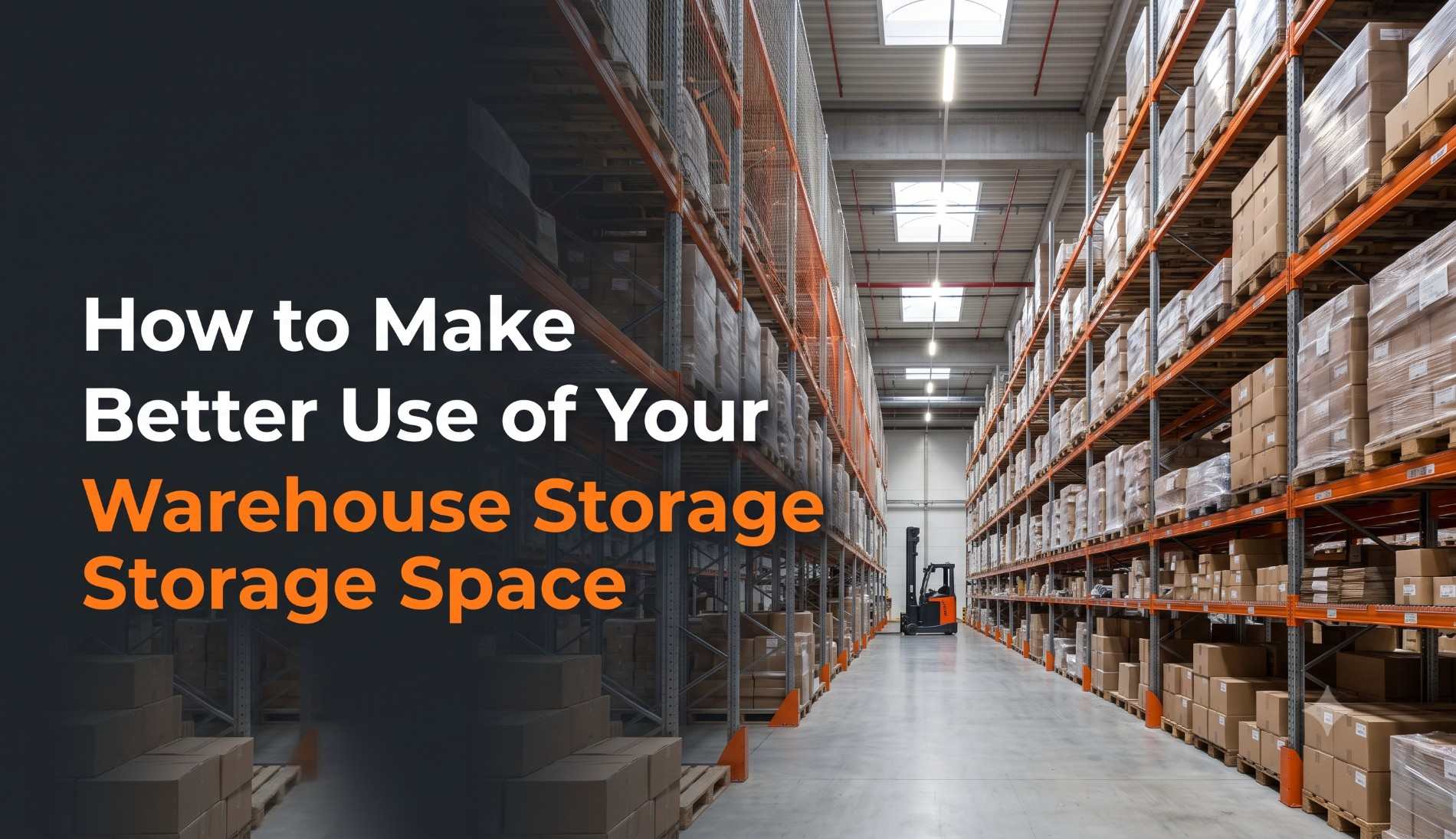
Making the most of warehouse storage space is important for businesses that want to improve efficiency without moving to a larger facility. As inventory grows, poorly organised stock, unused vertical space and inefficient layouts can make daily operations more difficult. Gold Coast Racking provides practical warehouse storage solutions that help businesses organise inventory, improve accessibility and make better use of their available space. Choosing the right pallet racking system can help maximise storage capacity, improve stock management and create a safer, more productive working environment.
Understand Your Current Warehouse Space
Before making changes to a warehouse, it is important to understand how the existing space is being used. Some warehouses have unused vertical space, while others lose valuable floor area because of poorly positioned stock, oversized storage zones or inefficient aisles.
Start by reviewing the warehouse layout, the location of frequently accessed products and the amount of space occupied by inventory. Identify areas where stock blocks access routes or where products are stored without a clear system. This assessment can reveal opportunities to improve storage without making major structural changes.
Reviewing how to fix a poor warehouse layout can help businesses identify ways to improve movement, reduce unnecessary handling and create a more efficient working environment.
Use Vertical Space More Effectively
One of the most practical ways to improve warehouse storage is to make better use of the available height. Storing products only at floor level can waste valuable space, particularly in warehouses with high ceilings.
A suitable racking system allows goods to be stored across multiple levels, creating additional storage capacity within the existing footprint. This approach can reduce floor clutter and leave more room for receiving, dispatch and other warehouse activities.
Before increasing storage height, consider ceiling clearance, lighting, sprinkler systems, pallet dimensions and forklift requirements. The racking configuration must suit the building and allow goods to be handled safely.
Businesses should also ensure that the proposed system is appropriate for the weight and dimensions of their stored products. Effective vertical storage depends on careful planning rather than simply installing taller racks.
Choose the Right Pallet Racking System
The best storage arrangement depends on the type of inventory, the number of pallets, stock turnover and how frequently products need to be accessed. Choosing a system that does not match these requirements can create unnecessary handling work and waste valuable space.
Selective pallet racking is often suitable for warehouses that need direct access to individual pallets. Other configurations may be worth considering when businesses store large quantities of similar products or need to improve storage density.
Exploring the types of pallet racking can help warehouse operators compare available options and understand which configurations may suit their requirements.
It is also worth reviewing how to find the right pallet racking system before making a purchase. The right choice should balance storage capacity, product accessibility, handling equipment and future business needs.
Improve Your Warehouse Layout
A well-planned warehouse layout helps employees move products efficiently and reduces unnecessary handling. Even a suitable racking system may perform poorly if aisles, loading areas and stock locations are not arranged properly.
Keep receiving and dispatch areas organised so incoming and outgoing goods do not interfere with one another. Frequently accessed products should be positioned where they can be reached conveniently, while slower-moving inventory can be stored in appropriate locations that do not disrupt regular operations.
Aisle widths must also suit the forklifts and other handling equipment used in the warehouse. Reducing aisle space without considering operational requirements can make stock retrieval more difficult and increase safety risks.
The goal is to create a layout that makes practical use of the available area while supporting efficient movement throughout the facility.
Organise Inventory for Easier Access
Warehouse space can become difficult to manage when products are stored without consistent location rules. Employees may spend unnecessary time searching for stock, moving other goods out of the way or checking multiple locations for the same item.
A clear inventory arrangement can help address these problems. Group similar products together, assign consistent storage locations and keep stock information updated. Labelling racks and storage bays can also make it easier for employees to identify where products belong.
Fast-moving products may benefit from locations that support convenient picking, provided the arrangement remains safe and appropriate for the goods being handled. Heavier products must be stored in suitable positions within the system according to its design and capacity requirements.
Organised inventory improves more than appearance. It can support stock accuracy, reduce handling time and help employees make better use of the warehouse space available.
For additional guidance, businesses can explore pallet racking for warehouse storage to understand how a structured storage system can improve product organisation and accessibility.
Reduce Unnecessary Floor-Level Storage
Floor-level storage can be useful for certain goods and operational tasks, but relying on it for all inventory may limit the amount of usable space. Pallets placed directly on the floor can spread across work areas, restrict movement and make stock access less predictable.
Where appropriate, pallet racking can move suitable inventory into designated storage positions above floor level. This can free up space for receiving, dispatch, order preparation and equipment movement.
However, not every item should be placed on pallet racking. Products with unusual dimensions, long materials or specific handling requirements may need a different storage arrangement. The solution should reflect the goods being stored rather than forcing every product into the same system.
A well-planned storage arrangement can make the warehouse easier to navigate and reduce the need to use operational areas for overflow stock.
Consider Future Storage Requirements
Warehouse storage needs often change as a business grows. New products, larger orders and changing inventory levels can put pressure on an existing storage arrangement.
Planning only for current stock levels may lead to another layout change sooner than expected. Instead, consider likely growth and whether the proposed storage system can accommodate changing requirements.
Adjustable racking configurations may offer flexibility, provided any changes remain within the system's specifications and are carried out appropriately. Businesses should also review whether their existing handling equipment and access routes will continue to meet operational needs.
The pallet racking buying guide can help businesses identify important considerations when comparing storage options and planning for future requirements.
Make Warehouse Safety a Priority
Improving storage capacity should never come at the expense of safety. Racking must be suitable for the intended loads, installed correctly and used according to its specifications.
Keep access routes and emergency exits clear, avoid placing loads beyond the system's rated capacity, and ensure pallets are suitable for the racking arrangement. Staff should understand correct loading and unloading procedures, including how to identify and report visible damage.
Regular inspections can help identify damaged uprights, beams, connections and other components that may require attention. Any suspected structural damage should be assessed promptly by a suitably qualified person, and affected areas should be managed appropriately.
Businesses planning a new system can refer to the pallet racking installation guide to understand important installation considerations. Proper planning and ongoing attention to safety help maintain a reliable storage environment.
Review Your Storage System Regularly
Warehouse optimisation is not a one-time task. As inventory and daily workflows change, a layout that once worked well may become less effective.
Review how quickly employees can locate products, whether aisles remain clear and whether certain areas are consistently overcrowded. Check whether stock is being stored in the intended locations and whether the current racking arrangement still suits the business.
Small adjustments to product placement, labelling and storage procedures can make a meaningful difference. Where larger changes are needed, reassessing the warehouse layout and storage system can help ensure the available space continues to support business operations.
Regular reviews also help businesses identify storage issues before they affect productivity or create unnecessary pressure on available space.
Conclusion
Making better use of warehouse storage space starts with understanding your current layout, choosing suitable racking and organising inventory effectively. Using vertical space, improving stock accessibility and planning for future growth can help businesses increase storage capacity without immediately needing a larger facility.
Every warehouse has different requirements, so storage decisions should reflect the building dimensions, products, handling equipment and day-to-day workflow. Safety should remain central to every decision, from layout planning through to installation and ongoing maintenance.
For practical warehouse storage options and racking solutions, visit Gold Coast Racking to explore systems that can help businesses make better use of their available warehouse space.
Frequently Asked Questions
1. How can I make better use of my warehouse storage space?
Start by reviewing your existing layout, identifying unused vertical space and organising stock into clear storage locations. Suitable pallet racking, practical aisle planning and improved inventory management can help increase usable capacity.
2. Can pallet racking help maximise warehouse space?
Yes. Pallet racking can create multiple storage levels, allowing suitable goods to be stored vertically rather than occupying additional floor space. The system must be designed around the building, stored products and handling equipment.
3. What is the best pallet racking system for a small warehouse?
The most suitable system depends on the warehouse dimensions, pallet quantities, stock turnover and accessibility requirements. Selective pallet racking may suit businesses that need direct access to individual pallets, while other systems may suit different inventory and storage needs.
4. How important is warehouse layout planning?
Warehouse layout planning is essential because it affects storage capacity, product accessibility, forklift movement and daily workflow. A well-planned layout helps use available space efficiently while maintaining suitable access and safe working conditions.
5. How often should warehouse storage arrangements be reviewed?
Storage arrangements should be reviewed whenever inventory levels, product ranges or operational requirements change. Regular checks can also help identify overcrowded areas, inefficient stock locations and potential safety issues.
6. Is it safe to increase pallet racking height?
Increasing racking height requires careful assessment of building clearances, floor conditions, load requirements, handling equipment and system specifications. Any proposed changes should be properly designed and assessed by suitably qualified professionals before implementation.