Getting an Ergonomic Lifting Equipment Quote That Actually Reflects Your Operation
-

- Published Updated
- 2,894 views
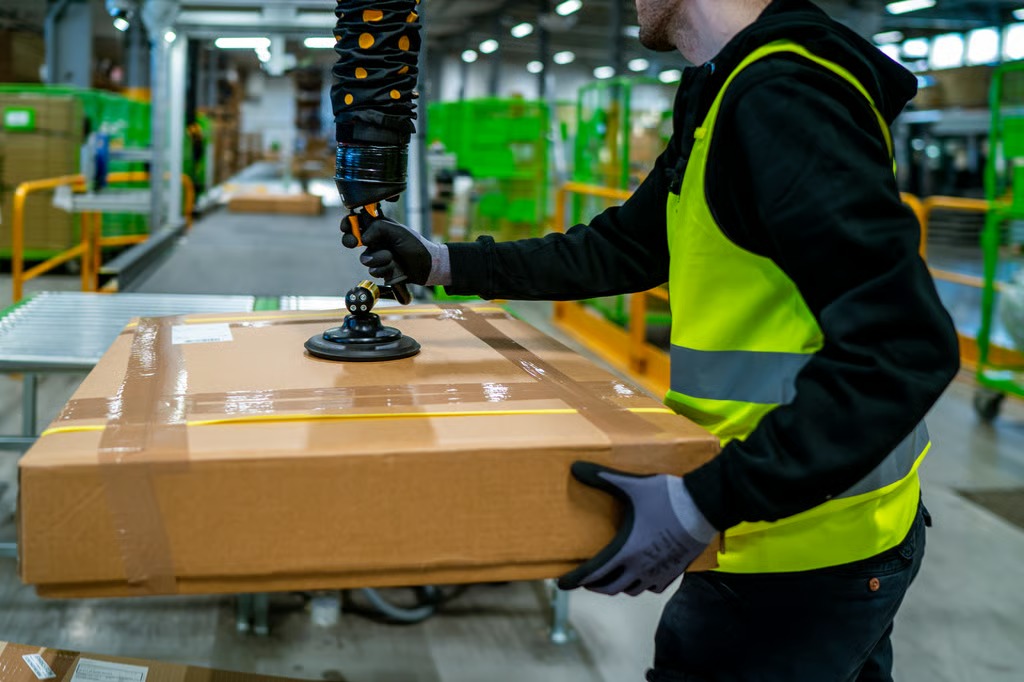
If you've ever received a lifting equipment quote that felt disconnected from what you actually need, you're not alone. Generic pricing lists are common in this industry, and they rarely account for the specific goods you handle, the layout of your facility, or the ergonomic risks your team faces. Getting a quote that genuinely reflects your operation requires a supplier who asks the right questions first.
Why a Good Quote Starts with a Good Conversation
An ergonomic lifting equipment quote should begin with understanding, not pricing. The weight of what you're lifting, the surface characteristics of your goods, the frequency of lifts per shift, and the physical layout of your workspace all feed into the right product specification. Change any one of those variables and you might be looking at a completely different solution.
TAWI's quoting process is built around exactly this kind of structured discovery. Their solutions experts engage with customers through detailed consultations, often followed by on-site visits to see the actual working environment. In some situations, they'll request samples of the goods to test with different suction cup configurations in their facility before finalising a recommendation. That thoroughness takes a bit of time upfront, but it dramatically reduces the risk of misalignment between what you order and what you need.
What Factors Drive the Cost of Ergonomic Lifting Equipment?
Understanding what affects pricing helps you compare quotes more intelligently. Several variables shape the cost of an ergonomic vacuum lifting solution. Load capacity is one. A multifunctional vacuum lifter capable of handling up to 600 lbs costs differently from a high-frequency model rated for lighter loads up to 145 lbs. The working environment matters too. Equipment configured for ATEX zones or pharmaceutical cleanrooms requires different materials and certifications, which affects cost. Mobility is another consideration. A mobile vacuum lifter compatible with a forklift or pallet jack carries different economics from a fixed jib-mounted system.
Customisation also plays a role. Standard suction feet may handle your goods perfectly. Or your products may have irregular surfaces, unusual textures, or specific fragility requirements that call for a modified suction configuration. TAWI accommodates both scenarios, but modified solutions naturally carry a different cost structure than off-the-shelf configurations.
How Does TAWI Structure Their Range to Match Different Budgets and Needs?
ergonomic lifting equipment supplier offers a complete range of ergonomic lifting products across several categories, giving businesses the ability to match the right level of capability to their actual requirements. Their vacuum lifter range covers multifunctional, high-frequency, and panel lifting applications. Their mobile vacuum lifter range serves order picking, logistics, and container unloading. Their lifting trolleys are portable battery-powered stackers adaptable to multiple load types, with models ranging from the compact lightweight trolley at 130 lbs capacity up to the classic trolley at 550 lbs.
This breadth is important when you're requesting a quote. It means TAWI can advise honestly across a wide range of solutions rather than nudging you toward a limited product set. If a lightweight trolley suits your needs better than a full vacuum lifting system, they'll say so.
What Should You Expect After Submitting a Quote Request?
After you reach out to TAWI, the process typically moves through a structured series of steps. An expert consultation scopes out your requirements. If needed, an on-site visit follows to assess the workspace and workflow. The team reviews your lifting requirements and may request sample goods. From there, they configure and price the right solution. Once agreed, TAWI ships the equipment, installs it in your facility, and provides on-site training to get your team up and running.
Post-installation, they remain available through service and support contracts. The continuity of that relationship is part of what makes the quote worthwhile. You're not just buying equipment; you're entering a partnership that continues through the full operational life of the product.
What Does a Good Return on an Equipment Investment Look Like?
Yusen Logistics reported a 20% efficiency gain and a 30% reduction in labour requirements after deploying TAWI vacuum lifting equipment. Every operation is different, but when you're evaluating the cost of ergonomic lifting equipment, it helps to think about the return it's likely to generate. Fewer manual handling injuries mean lower workers' compensation costs and less absenteeism. Higher throughput means more orders fulfilled per shift. Greater workforce flexibility means less downtime when staff need to move between tasks.
Conclusion
An ergonomic lifting equipment quote is most useful when it's built on real understanding of your operation. The price matters, but it matters in context. A well-specified solution that genuinely fits your workflow and protects your workers will deliver a return that far exceeds the upfront cost. TAWI's consultative quoting process, comprehensive product range, and documented track record of customer results make them a strong starting point for any business ready to take ergonomic lifting seriously.
FAQ
Q: How long does it take to receive an ergonomic lifting equipment quote from TAWI? A: Timeline varies based on the complexity of your requirements. TAWI's process includes consultation and sometimes on-site visits before quoting, which ensures accuracy over speed.
Q: Can I get a quote for a custom ergonomic lifting configuration? A: Yes. TAWI customises suction tools, handle configurations, and equipment setups to match specific load types and working environments.
Q: What is the most affordable TAWI option for a small operation? A: The lightweight lifting trolley handles loads up to 130 lbs and suits compact spaces and lighter applications, making it a practical entry point for smaller facilities.