Waste Heat Recovery Systems as a Competitive Advantage in Energy-Intensive Industries
-

- April 01st, 2026
- 7,884 views
In the global industrial sector, the gap between market leaders and those falling behind is increasingly defined by a single metric: thermal efficiency. For energy-intensive initiatives such as steel, cement, and chemical processing, energy is typically the largest or second-largest operating expense. Traditionally, much of this energy—often up to 50%—has been treated as an unavoidable byproduct, vented into the atmosphere as hot exhaust.
However, a strategic shift is occurring. Forward-thinking executives no longer view Waste Heat Recovery Systems (WHRS) as merely a "utility upgrade." Instead, they are positioning heat recovery as a core competitive advantage. By capturing and repurposing lost thermal energy, these firms are reducing their sensitivity to volatile fuel markets, meeting aggressive ESG targets, and lowering their marginal cost of production.
The Strategic Shift: Beyond Simple Energy Savings
For decades, the conversation around heat recovery systems was limited to "payback periods." While the math remains favorable, the strategic landscape has changed. In today’s economy, a WHRS is a hedge against uncertainty.
When a facility integrates advanced recovery technology, it essentially creates an "internal power plant." Whether that captured heat is used to pre-heat combustion air, generate steam, or produce CO2-free electricity via Organic Rankine Cycles (ORC), the result is a stabilized energy profile. In a market where natural gas or electricity prices can spike overnight, the manufacturer with a robust recovery system maintains a stable cost structure, allowing for more aggressive pricing and better margin protection than competitors who remain tethered to the grid.
Sector Spotlight: Where Recovery Meets Revenue
Energy-intensive industries face the greatest pressure to innovate, but they also stand to gain the most from these systems.
1. Steel and Metal Smelting
Steel manufacturing is notoriously heat-intensive. Exhaust gases from electric arc furnaces (EAF) or blast furnaces carry immense thermal loads. By retrofitting these systems with high-temperature heat exchangers, mills can pre-heat scrap metal or combustion air, drastically reducing the "melt time" and increasing total daily throughput.
2. Cement and Glass Production
In cement kilns, massive amounts of heat escape through the clinker cooler and the kiln stack. Leading global cement producers are now using WHRS to generate up to 30% of the plant's power needs on-site. This doesn't just save money; it improves grid reliability in regions where power quality is inconsistent.
3. Chemical and Petrochemical Processing
Chemical plants often require simultaneous heating and cooling across different process stages. A sophisticated heat recovery network acts as a thermal "switchboard," taking heat from exothermic reactions or thermal oxidizers and feeding it into distillation columns or boilers.
Synergies with Thermal Cleaning Solutions
A competitive advantage is only sustainable if the equipment remains reliable. In these heavy industries, heat exchangers often face "fouling"—the buildup of particulates, scales, or carbonized residues that act as an insulator, killing the efficiency of the recovery system.
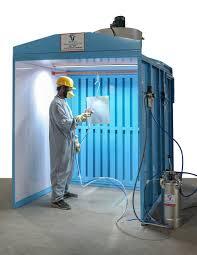
This is where thermal cleaning solutions enter the strategic mix. By utilizing dedicated thermal cleaning equipment to regularly strip recovery bundles and process components, facilities ensure they are capturing every possible BTU. A clean heat exchanger can operate at 90% efficiency, while a fouled one may drop to 60% or lower. Integrating professional cleaning cycles into the maintenance schedule is the difference between a system that pays for itself and one that becomes a bottleneck.
The Triple Bottom Line: ROI, ESG, and Brand Positioning
The investment case for Waste Heat Recovery is built on three distinct pillars that resonate in the modern boardroom:
1. Hard ROI and Asset Valorization
Modern WHRS installations often see a full return on investment within 18 to 36 months. Beyond direct fuel savings, these systems often allow for the downsizing of cooling towers and water treatment facilities, as there is less "waste heat" requiring active cooling.
2. The ESG Mandate
Environmental, Social, and Governance (ESG) criteria are now a primary driver for institutional investors. A facility that reduces its carbon intensity by 15% through heat recovery is a more "investable" asset. It signals to shareholders that the company is proactively managing climate risk and regulatory compliance.
3. Brand Positioning and the "Green Premium"
As supply chains look to decarbonize, being a "Low-Carbon Supplier" is a powerful marketing tool. Steel or chemical products produced in high-efficiency, WHR-equipped plants can often command a "green premium" in the marketplace, particularly in sectors like automotive or sustainable construction.
Overcoming the Implementation Barrier
Despite the clear advantages, many firms hesitate due to the perceived complexity of integration. The key to a successful implementation is a "Systems Approach." This involves:
Thermal Mapping: Identifying all waste streams and their temporal availability.
Custom Engineering: Ensuring the WHRS doesn't introduce backpressure that interferes with primary production.
Maintenance Integration: Ensuring thermal cleaning equipment is available to keep the new assets performing at peak design specifications.
A Future-Focused Perspective: The Era of Green Manufacturing
As we look toward 2030 and beyond, the industrial sector is moving toward "Circular Thermal Economy." In this future, no calorie of heat is considered "waste." We are seeing the rise of industrial clusters where one plant's waste heat becomes the primary energy source for a neighboring facility.
Companies that invest in waste heat recovery systems today are doing more than saving on next month's utility bill; they are building the infrastructure required to survive in a low-carbon economy. They are turning a physical loss (exhaust) into a financial gain (savings) and a brand asset (sustainability).
At Epcon, we don't just build equipment; we engineer the thermal heart of your facility. Our mission is to help energy-intensive industries transition from high-waste operations to lean, green, and globally competitive powerhouses.