Strategic Web Advertising Plan for Business Growth
-

- February 23rd, 2026
- 1,151 views

FREE SEO Topical Map Generator: Find Your Next Content Ideas
Effective web advertising for business begins with a clear plan that links audience goals, channel selection, budget, and measurement. This guide explains how to create a practical, measurable advertising plan that aligns with business objectives and regulatory expectations.
- Define goals and identify target audiences before choosing channels.
- Use a mix of search, display, social, and programmatic tactics based on intent and reach.
- Set budgets tied to key performance indicators (KPIs) and measure with analytics.
- Address privacy, consent, and advertising standards to reduce compliance risk.
- Continuously test creative and targeting; scale strategies that show positive ROI.
Why a plan matters for web advertising for business
A structured plan converts ad spend into measurable outcomes. Web advertising for business is not only about placing ads; it combines audience research, creative strategy, channel selection, budgeting, and analytics to drive measurable results like leads, sales, or signups. Planning reduces wasted spend and makes it easier to optimize campaigns over time.
Set objectives and select KPIs
Define business goals
Start by mapping advertising goals to business objectives: brand awareness, lead generation, e-commerce revenue, app installs, or retention. Clear goals help determine which metrics matter.
Choose meaningful KPIs
Common KPIs include click-through rate (CTR), conversion rate, cost per acquisition (CPA), return on ad spend (ROAS), and lifetime value (LTV). Select primary and secondary KPIs so reporting focuses on the most important outcomes.
Audience, creative, and messaging
Audience segmentation
Segment audiences by demographics, intent signals (search queries or site behavior), purchase stage, and past engagement. Use first-party data where available and prioritize segments that match the conversion funnel.
Creative strategy
Create messaging tailored to audience segments and funnel stage: awareness ads emphasize value and recognition; consideration ads highlight benefits and comparisons; conversion ads push offers and clear calls to action. Test variations of headlines, imagery, and calls to action to identify high-performing creative.
Channels and tactics
Search engine marketing and paid search
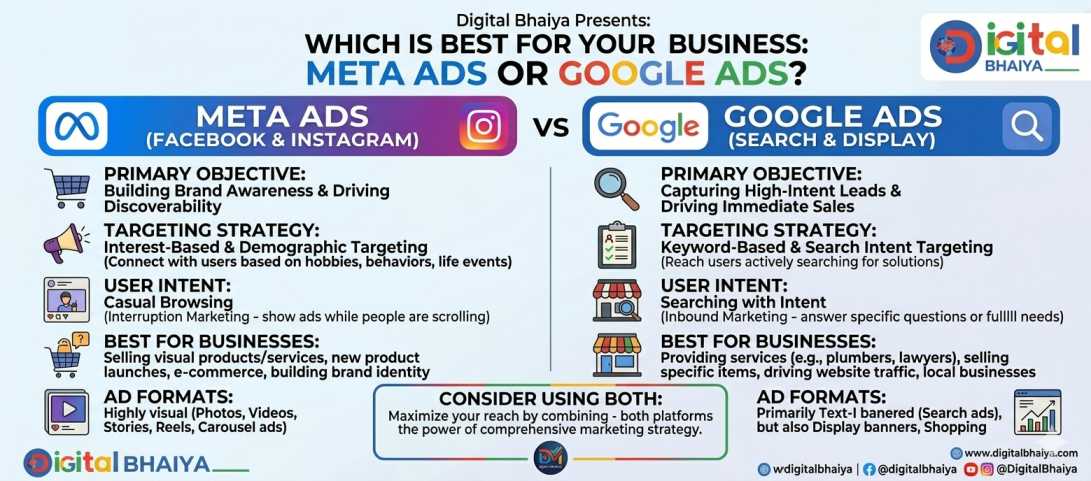
Search ads capture high-intent users. Keyword selection and landing page relevance are crucial for converting search traffic into leads or sales.
Display, programmatic, and native
Display and programmatic advertising increase reach and support retargeting strategies. Use audience targeting and placement controls to reduce ad waste and maintain brand safety.
Social media and video advertising
Social platforms let advertisers target based on behavior and interests, while video formats can build awareness and convey richer product stories. Match format to message and audience habits.
Budgeting and bidding
Allocate budget by objective
Distribute budget across channels using a mix of test-and-learn and historical performance. Reserve part of the budget for experimentation and rapid optimization.
Select bidding strategies
Choose bid approaches that align with KPIs: cost-per-click models for traffic, cost-per-acquisition for direct response, or view-based bidding for awareness. Automated bidding systems can help but require clear goals and reliable conversion tracking.
Measurement and analytics
Set up conversion tracking
Implement reliable tracking for conversions using analytics platforms, tag managers, and server-side techniques where needed. Define events consistently across channels.
Attribution and reporting
Use attribution models that reflect customer journeys—last click, multi-touch, or data-driven models. Regular reporting on KPIs supports decisions about scaling, pausing, or reallocating budgets.
Privacy, compliance, and standards
Data protection and consent
Comply with regional privacy laws such as the EU General Data Protection Regulation (GDPR) and national rules enforced by authorities like the European Data Protection Board (EDPB). Implement consent mechanisms and document data-processing activities.
Advertising standards and transparency
Follow national advertising regulators and industry standards from groups such as the Interactive Advertising Bureau to ensure truthful, clear, and non-deceptive advertising. For guidance, consult the Interactive Advertising Bureau resource: Interactive Advertising Bureau.
Optimization and scaling
Test, learn, and iterate
Run A/B tests for landing pages, creative, and targeting. Use statistical significance and run tests long enough to capture consistent signals across audience segments and timeframes.
Scale proven tactics
Scale budget into channels and creatives that meet KPI thresholds while maintaining frequency and placement controls to avoid audience fatigue. Revisit audience definitions and creative regularly.
Sample 90-day web advertising plan
Weeks 1–4: Research and setup
Define goals and KPIs, set up analytics and conversion tracking, build audience lists, and prepare creative assets and landing pages.
Weeks 5–8: Launch and test
Launch small-scale campaigns across prioritized channels, run systematic A/B tests, and monitor early performance against KPIs.
Weeks 9–12: Optimize and scale
Shift budget to high-performing segments and creatives, apply learnings to new tests, and prepare a reporting cadence for ongoing review.
Common pitfalls and how to avoid them
- Failing to align ads with landing pages—ensure message match and clear CTAs.
- Neglecting measurement—track conversions and use consistent event definitions.
- Over-reliance on a single channel—diversify to reduce risk and improve reach.
- Ignoring privacy rules—implement consent flows and document compliance steps.
Next steps
Begin by documenting goals and available data sources, then prioritize channels by expected impact and cost. Establish a testing framework and schedule quarterly reviews to refine strategy as market conditions and audience behavior change.
What is web advertising for business and why is it important?
Web advertising for business encompasses paid online channels and tactics used to reach potential customers. It is important because it enables targeted reach, measurable outcomes, and the ability to scale spend with tracking and optimization.
How much should a business spend on web advertising?
Budget depends on industry, margins, growth goals, and channel costs. Use a test budget to establish baseline performance and scale based on CPA or ROAS targets rather than arbitrary percentages.
How long does it take to see results from a web advertising plan?
Short-term conversions can appear within days for search campaigns; brand awareness and complex purchase journeys may take weeks or months. Expect iterative testing and optimization to improve performance over time.
What compliance and privacy steps are required for web advertising?
Implement consent management, document processing activities, honor data subject rights, and follow local advertising standards. Consult regulators and industry bodies for region-specific requirements.
Can a small business manage web advertising without external agencies?
Yes. Small businesses can manage in-house by focusing on a few channels, using templates for creative and landing pages, tracking conversions, and applying a disciplined testing approach. Outsourcing is an option for specialized skills or scale.
How should performance be reported and reviewed?
Report weekly operational metrics (clicks, impressions, CTR) and monthly outcome metrics (CPA, conversion rate, ROAS). Conduct quarterly strategy reviews to align campaigns with changing business priorities.