How Wedding Venue Location Impacts Guest Experience, Travel, and Overall Flow
-

- May 06th, 2026
- 7,680 views
Introduction
Location is often treated as a simple filter:
Near or far.
City or destination.
Convenient or scenic.
But in reality, your wedding venue’s location does much more than determine travel time.
It affects:
- Who attends
- How guests feel
- How smoothly the event unfolds
Because location doesn’t just set the map.
It shapes the entire experience.
How Does Wedding Venue Location Impact Guest Experience?
Wedding venue location directly affects guest comfort, travel logistics, event timing, and overall flow. A well-chosen location makes attendance easier, reduces friction, and supports a smoother, more enjoyable experience from arrival to departure.
Location isn’t just about distance.
It’s about ease, access, and environment.
Why Location Matters More Than Couples Expect
The venue location influences:
- Arrival times
- Guest energy levels
- Scheduling flexibility
- Transition flow
👉 If getting there is difficult, it already affects the mood before the event even starts.
This ties directly into:
👉 Do Wedding Venues Really Impact Guest Experience? Here’s What Actually Matters
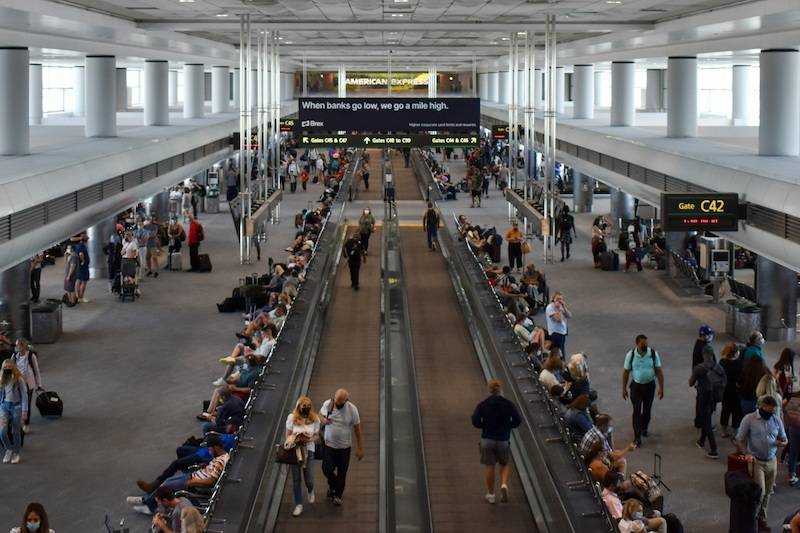
1. Travel Time and Accessibility
The easier it is to reach your venue, the more relaxed your guests will be.
What to Consider:
- Distance from major roads or highways
- Traffic conditions (especially during peak hours)
- Clarity of directions
👉 Long or confusing travel = tired, late, or stressed guests.
2. Guest Attendance and Turnout
Location can influence who actually attends.
Common Patterns:
- Very far venues → lower attendance
- Hard-to-reach locations → higher drop-off
- Accessible venues → better turnout
👉 Convenience increases participation.
3. Arrival Experience and First Impression
The journey into the venue sets expectations.
Ask Yourself:
- Is the approach smooth or stressful?
- Does the entrance feel intentional?
- Does the environment build anticipation?
👉 First impressions start before guests step inside.
4. Event Timing and Flow
Location affects how your timeline works.
Examples:
- Late arrivals due to traffic
- Delayed program start
- Compressed timelines
👉 Poor location planning disrupts flow.
See more:
👉 How Much Does a Wedding Venue Affect the Overall Experience?
5. Guest Comfort and Energy Levels
Guests who travel far or deal with difficult routes may:
- Arrive tired
- Leave earlier
- Engage less
👉 Comfort starts with the journey—not just the venue itself.
6. Accommodation and Nearby Options
If guests need to stay overnight, location becomes even more important.
Check:
- Nearby hotels or accommodations
- Transportation availability
- Travel time between stay and venue
👉 Convenience extends beyond the event.
7. Environment and Surroundings
Location also affects atmosphere.
Different Location Types:
- Urban → convenient, structured
- Rural → scenic, immersive
- Destination → memorable but demanding
👉 The setting influences how the wedding feels.
This connects with:
👉 How to Choose a Wedding Venue That Feels Special (Not Generic or Forgettable)
8. Logistics for Suppliers
It’s not just guests—your vendors are affected too.
Consider:
- Delivery access
- Setup logistics
- Travel costs for suppliers
👉 Difficult locations can increase vendor fees.
Related:
👉 What Hidden Costs Come with Wedding Venues?
9. Parking and On-Site Access
Even a great location can fail at the final step.
Check:
- Parking availability
- Distance from parking to venue
- Ease of entry for elderly guests
👉 Small inconveniences add up quickly.
Location Types: Pros and Trade-Offs
| Location Type | Advantages | Trade-Offs |
|---|---|---|
| City | Accessible, convenient | Less exclusive feel |
| Suburban | Balanced access | Moderate travel |
| Rural / Nature | Scenic, immersive | Travel complexity |
| Destination | Memorable experience | Higher planning effort |
👉 Every location is a trade-off.
The Hidden Cost of a “Beautiful but Difficult” Location
Some venues look incredible—but require:
- Long travel times
- Complex logistics
- Additional coordination
👉 Beauty without accessibility often increases:
- Cost
- Stress
- Risk
How to Choose the Right Location
Ask These Questions:
- How easy is it for guests to get there?
- Will travel affect arrival time or mood?
- Are accommodations nearby?
- Will this location simplify or complicate logistics?
- Does the environment match the experience you want?
If you’re still evaluating:
👉 What Questions Should You Ask Before Booking a Wedding Venue?
A Smarter Way to Think About Location
Instead of asking:
“Is this location good?”
Ask:
“Will this location make the experience easier—or harder for everyone involved?”
Because convenience isn’t just practical.
It’s emotional.
Balanced Example: Accessibility + Experience
Some venues manage to balance both:
- Accessible enough for guests
- Distinct enough to feel special
Venues like Lotuswood Organic Wellness Farm are often chosen because they offer a nature-driven setting while still being realistically reachable—reducing friction without sacrificing atmosphere.
👉 That balance is what creates a smooth, memorable event.
Final Thoughts
Wedding venue location is more than a pin on a map.
It shapes:
- Guest experience
- Event timing
- Planning complexity
The best locations don’t just look good.
They work well—for you, your guests, and your entire wedding day.
Because when location is right:
Everything feels easier.
Everything flows better.
Everything works.
https://lotuswoodfarm.com/