How to Create an Unforgettable Club Experience: Practical Guide for Venue Operators
-

- March 07th, 2026
- 303 views

Get a free topical map and start building content authority today.
A great night out is built from dozens of small, intentional choices. This guide explains how to design an unforgettable club experience that keeps guests coming back, balances atmosphere with safety, and translates creative ideas into repeatable operations. The phrase unforgettable club experience appears here to set the focus: practical design, programming, and management choices that matter.
- Detected intent: Informational
- Primary focus: unforgettable club experience — design, programming, and operations
- Includes: MEMBER framework, safety reference, practical checklist, and 5 core cluster questions
Creating an Unforgettable Club Experience
An unforgettable club experience combines clear identity, consistent programming, professional hospitality, and safe, efficient operations. This section breaks down the core elements that make nights feel remarkable — from first impression to last call — and how to measure success beyond ticket sales.
Core Elements of an Exceptional Club
1. Identity and Programming
Clubs that feel distinct have a coherent identity: a music focus, a thematic aesthetic, a curated guest list, or recurring events. Programming decisions — resident DJs, special live acts, themed nights — should reinforce identity rather than chase every trend. Consistency builds recognition and word-of-mouth.
2. Atmosphere and Design (club atmosphere design)
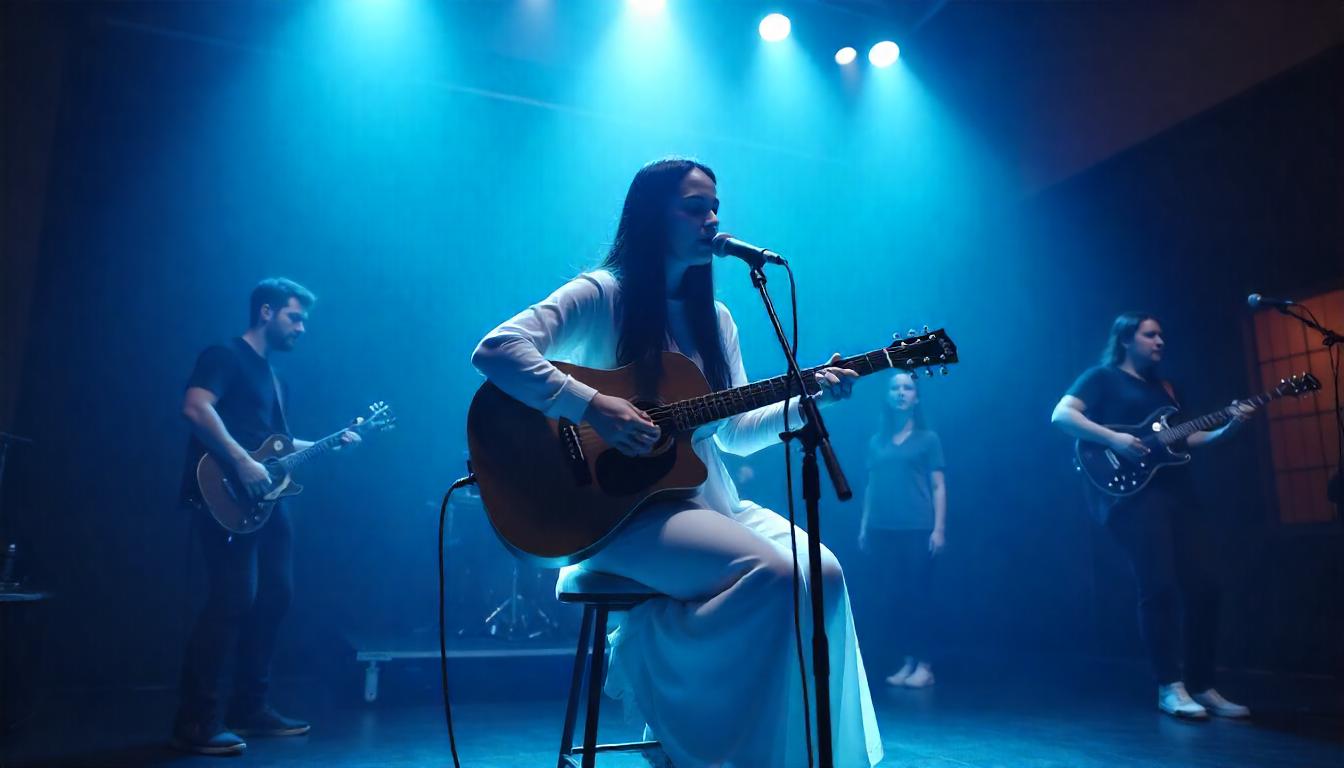
Physical design and sensory control shape how guests feel. Lighting, sightlines, acoustic treatment, and furniture layout influence energy and intimacy. Small investments in sound isolation and calibrated lighting systems deliver a cleaner, more memorable musical experience. Consider accessibility (ADA compliance) and sightline planning so more guests can connect with performers.
3. Hospitality and Service Flow
Friendly, well-trained staff and logical service stations reduce friction. Clear signage, efficient bar layout, and staffing models that match peak demand minimize wait times and improve perceived value. Attention to crowd flow — entrance, coat check, restrooms — keeps energy high and frustration low.
4. Safety and Crowd Management (venue crowd management)
An unforgettable night is also a safe night. Crowd control planning, clear emergency exits, and trained security are non-negotiable. Follow industry standards and local building codes; for life-safety code guidance, consult the National Fire Protection Association resources: NFPA codes and standards. Safety measures protect reputation and create the freedom for guests to enjoy the experience.
MEMBER Framework: A Practical Model for Clubs
Use the MEMBER framework as an operational checklist that can be audited before, during, and after events:
- Music & Programming — booking, set lengths, transitions
- Environment — lighting, acoustics, temperature
- Management — staff training, scheduling, SOPs
- Brand & Identity — visuals, marketing, guest experience
- Execution — entry flow, bars, restrooms, accessibility
- Risk & Safety — crowd management, fire safety, incident reporting
How to use MEMBER
Run the framework as a pre-shift checklist, a mid-night audit, and a post-event review. Score items 1–5 to track improvements over time and make changes where scores fall consistently below target.
Practical Checklist: Quick Pre-Event Run-Through
- Soundcheck and PA level calibration 90 minutes before doors.
- Lighting cues loaded and tested, backup bulbs on hand.
- Staff briefing covering capacity, ticketing, and emergency procedures.
- Bar stock counts and POS terminals tested; clear cash-handling SOPs.
- Emergency exits, fire extinguishers, and first-aid kit location confirmed.
Real-World Example
Scenario: A mid-size venue wants to turn a monthly themed night into a signature weekly event. The team used the MEMBER framework over three months: tightened the music policy to a consistent genre, adjusted the lighting to create a darker, clubby ambiance, and reallocated staff to reduce bar wait times. After implementing a crowd-flow plan and training door staff in de-escalation, the event saw a 25% repeat-guest rate and better social media mentions within two months. This shows how coordinated operational improvements turn a good night into an unforgettable one.
Practical Tips
- Measure perceived wait times: observe and time bar lines during peak hours; adjust staffing or add a mobile bar where feasible.
- Document and rehearse emergency procedures with staff quarterly; keep printed checklists backstage.
- Use lighting palettes and sound presets for recurring events to ensure consistent mood from night to night.
- Collect guest feedback via short QR surveys after events; prioritize high-frequency issues first.
- Train a small team for artist or VIP liaison duties so performers consistently have a smooth arrival and faster soundcheck.
Common Mistakes and Trade-offs
Over-programming vs. Brand Consistency
Trying to cater to every musical niche dilutes brand identity. Trade-off: broader bookings may increase single-event attendance but reduce the club's long-term loyal base. Prioritize a clear programming direction.
Pacing: Intimacy vs. Capacity
Fitting more people in for higher revenue can harm intimacy and sightlines. Trade-off: higher short-term income versus lower guest satisfaction and repeat business. Consider adjustable layouts or ticket tiers to balance both.
Safety Investment vs. Aesthetic
Some safety features (visible security, metal detectors) change perception. Trade-off: a slight impact on perceived exclusivity versus the guarantee of safety and legal compliance. Communicate safety measures as part of the guest promise to normalize them.
Core Cluster Questions
- How should lighting be designed to improve dancefloor energy?
- What are the best crowd management practices for busy club nights?
- How to build a consistent weekly programming schedule that grows loyalty?
- Which sound system upgrades deliver the most noticeable improvement for live DJs?
- How can clubs measure guest satisfaction beyond ticket sales?
Measurement and Continuous Improvement
Track both quantitative and qualitative metrics: repeat-attendance rates, average spend per head, bar wait times, incident logs, social sentiment, and direct guest feedback. Use the MEMBER framework scores to prioritize investments that raise multiple metrics at once.
Resources and Standards
Regulatory compliance and safety standards are essential. Consult national codes and local authorities when developing crowd management plans and occupancy limits. The National Fire Protection Association provides codes and standards relevant to life-safety and public assembly planning: NFPA codes and standards.
FAQ
What defines an unforgettable club experience?
An unforgettable club experience combines a clear artistic identity, reliable programming, seamless hospitality, high-quality sound and lighting, and rigorous safety. Every touchpoint — entry, music, service, and exit — should support a unified guest promise.
How can small clubs improve club atmosphere design on a budget?
Prioritize sound treatment in key reflection points, use LED lighting for flexible looks, and optimize furniture layout for better sightlines. Simple acoustic panels and dimmable lights often yield the biggest perceived improvements per dollar.
What are the essential steps for effective venue crowd management?
Create clear entry and exit flows, staff doors according to expected peaks, train security in de-escalation, and enforce capacity limits. Pre-event walkthroughs and communication with local emergency services are recommended best practices.
How long does it typically take to become known for an unforgettable club experience?
Consistency is the multiplier. With focused programming and reliable operations, measurable reputation gains can appear in 3–6 months; building a legendary status typically takes years of consistent delivery and community engagement.
Can small changes really improve an unforgettable club experience?
Yes. Focused changes — faster bar service, improved sightlines, consistent programming, or clearer signage — can significantly affect guest perception and repeat visits. Prioritize changes that reduce friction and amplify the club's identity.