Fractional RF Microneedling Explained: Differences, Benefits, and What to Expect
-

- March 06th, 2026
- 420 views

FREE SEO Topical Map Generator: Find Your Next Content Ideas
Fractional RF microneedling: how it differs, benefits, and what to expect
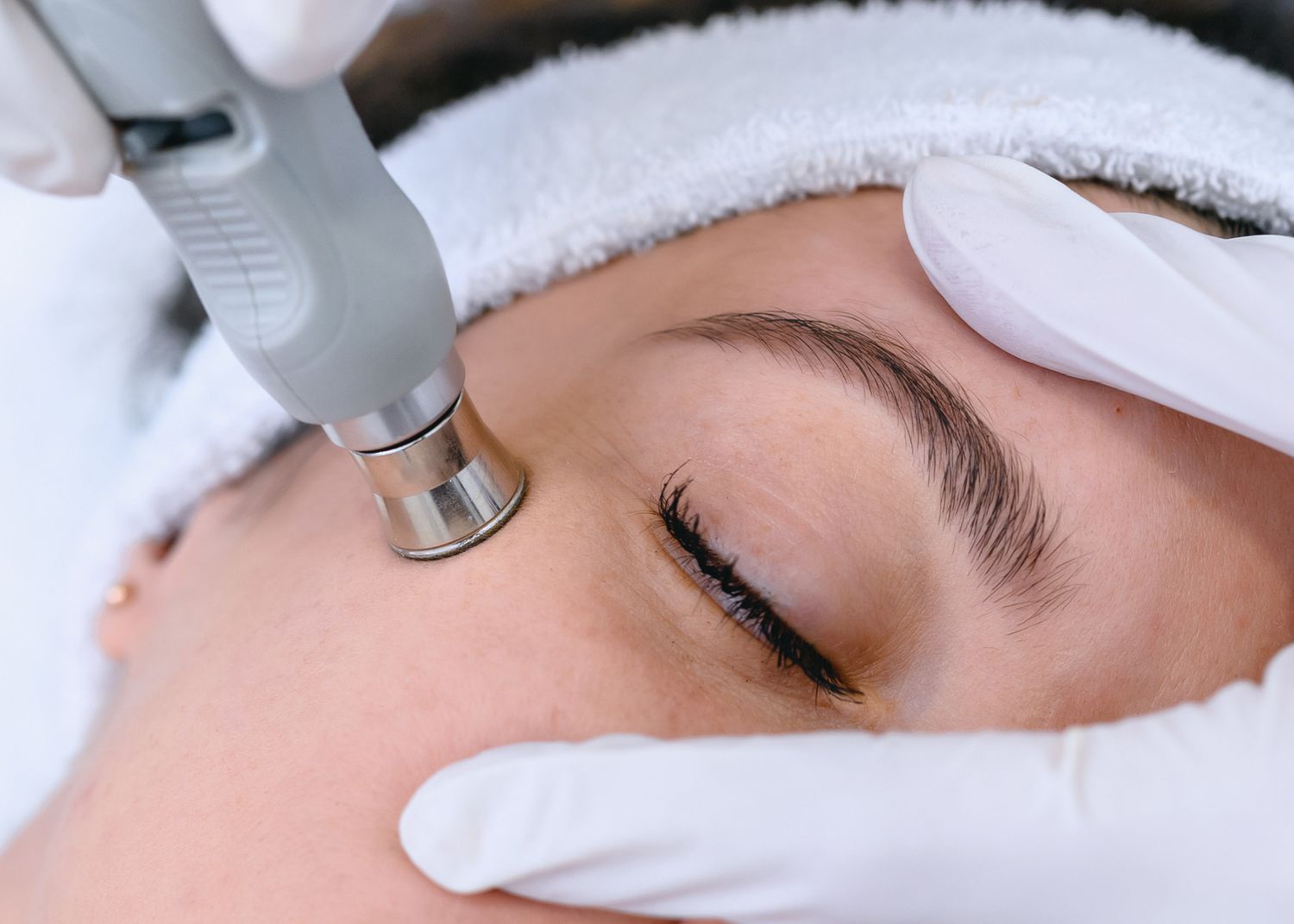
Fractional RF microneedling is a minimally invasive skin-rejuvenation procedure that combines insulated micro-needling with targeted radiofrequency energy to stimulate collagen and tighten dermal tissue. Compared with traditional microneedling and laser resurfacing, fractional RF microneedling delivers heat into the deeper dermis while preserving the surface epidermis, producing distinct clinical results and a different recovery profile.
- Fractional RF microneedling combines needles and radiofrequency energy to remodel collagen beneath the skin.
- Compared with lasers, it treats deeper dermal layers with less surface damage and often less downtime.
- Best for acne scars, skin laxity, enlarged pores, and mixed photoaging; device settings and technique determine outcomes.
Detected intent: Informational
What fractional RF microneedling means and how it works
Fractional RF microneedling uses arrays of fine needles to create micro-channels into the dermis while delivering radiofrequency (RF) energy through those needles. The needles mechanically injure tissue and the RF produces controlled thermal zones that denature targeted collagen, prompting a remodeling response. This controlled combination of mechanical and thermal injury drives collagen induction therapy and tightening without broad epidermal ablation.
Fractional RF microneedling: key differences versus other treatments
Comparing fractional RF microneedling with other common modalities clarifies why clinicians choose it for specific goals.
Versus traditional microneedling
Traditional (needle-only) microneedling creates micro-injuries that promote collagen over time. Adding RF amplifies the effect by delivering heat into the dermis, increasing tightening and improving outcomes for deeper scars and laxity with fewer sessions in many cases.
Versus ablative and non-ablative lasers (RF microneedling vs laser resurfacing)
Laser resurfacing (ablative CO2, erbium) removes or vaporizes epidermal tissue to stimulate repair and is powerful for resurfacing but has more downtime and risk. Non-ablative lasers heat dermis without removing skin. Fractional RF microneedling reaches comparable dermal heating while sparing the surface, often producing an intermediate downtime and a favorable safety profile for darker skin types when performed correctly.
Versus injectable energy-based options
Injectables (fillers, biostimulatory agents) change volume or stimulate collagen differently. Fractional RF microneedling remodels intrinsic dermal architecture rather than adding volume; combining treatments can be complementary but requires sequencing and patient-specific planning.
Who benefits most and common clinical uses
Common indications include acne scarring, surgical scars, skin laxity (jawline/neck), enlarged pores, stretch marks, and mixed photoaging. Suitability depends on skin type, scar depth, and medical history; darker Fitzpatrick skin types may tolerate RF microneedling better than powerful ablative lasers when performed with appropriate settings.
SAFE-SET checklist: a simple named framework for evaluating readiness
Use the SAFE-SET Checklist before recommending or booking treatment:
- Skin assessment — scar depth, laxity, pigmentation, Fitzpatrick type.
- Allergy/medication review — isotretinoin, anticoagulants, active infections.
- Expectations — realistic timeline (collagen remodeling takes weeks-months).
- Settings planned — needle depth, RF energy, pulse count, tip type.
- Skin prep — antisepsis, topical anesthetic, periprocedural instructions.
- Education & Timing — downtime, aftercare, follow-up schedule.
Real-world scenario
Case: A patient in their early 40s with rolling acne scars and moderate jawline laxity seeks improvement with limited downtime. The clinician selects fractional RF microneedling using insulated needles at variable depths (1.5–3.0 mm) and two stacked passes with conservative RF energy on the jawline. The patient experiences erythema for 48–72 hours, light crusting, and returns to social activities in a week. Over 3 months, collagen remodeling yields measurable scar softening and improved skin tightness with minimal hypopigmentation risk compared with ablative resurfacing.
Practical tips for better outcomes
- Pre-treat active acne or infections and avoid procedures within 6–12 months of oral isotretinoin per established dermatologic guidance.
- Start with conservative energy and depth on darker skin types; use test spots if uncertain.
- Combine with topical growth-factor serums or PRP (platelet-rich plasma) post-procedure for enhanced healing when clinically appropriate.
- Plan a series (typically 3 sessions spaced 4–8 weeks) for collagen remodeling rather than expecting one-session transformation.
Trade-offs and common mistakes
Trade-offs include balancing efficacy and downtime: higher energy and deeper needle settings can yield stronger tightening but increase discomfort, longer recovery, and risk of pigment change. Common mistakes include:
- Over-treating in a single session instead of conservative staged treatments.
- Using inappropriate needle depth or energy for the scar type or skin phototype.
- Neglecting pre- and post-procedure infection control or sun protection.
- Combining aggressive resurfacing and deep RF too close together without proper intervals.
Evidence, safety, and resources
Clinical literature supports RF microneedling for scar remodeling and skin tightening, and professional dermatology societies provide guidance on microneedling practice and safety. For general patient-facing information about microneedling and related safety considerations, consult the American Academy of Dermatology resource: American Academy of Dermatology - Microneedling.
Core cluster questions
- How long does recovery take after fractional RF microneedling?
- Can fractional RF microneedling treat acne scars or stretch marks?
- What are the differences between RF microneedling and laser resurfacing?
- How many sessions of fractional RF microneedling are typically needed?
- Is fractional RF microneedling safe for darker skin types?
Practical aftercare checklist
- Keep the treated area clean and use a gentle, non-exfoliating cleanser for 48–72 hours.
- Apply recommended emollients and broad-spectrum sunscreen (SPF 30+) once re-epithelialization begins.
- Avoid active exfoliants, retinoids, and strong brightening agents for 1–2 weeks unless advised otherwise.
- Report signs of infection, prolonged swelling, or pigment changes to the treating clinician promptly.
Bottom line
Fractional RF microneedling is distinct for its combined mechanical and thermal approach, targeting deeper dermal remodeling with relative epidermal preservation. It sits between traditional microneedling and laser resurfacing in terms of depth, downtime, and risk profile, making it a practical option for acne scars, laxity, and mixed photoaging when patient selection and device settings are matched to goals.
FAQ
What is fractional RF microneedling and how does it work?
Fractional RF microneedling uses fine needles to create channels and deliver radiofrequency energy to the dermis, causing controlled thermal injury and stimulating collagen synthesis without broadly removing the epidermis.
How long is the recovery after fractional RF microneedling?
Most patients experience redness and swelling for 48–72 hours and can expect social downtime of about 3–7 days depending on energy settings; full collagen remodeling occurs over weeks to months.
What are the fractional radiofrequency microneedling benefits compared with other options?
Benefits include deeper dermal remodeling with less surface damage than ablative lasers, potentially lower risk of pigment changes in darker skin, and improved results for deeper scars and laxity versus needle-only microneedling.
How many sessions are typically required for visible improvement?
Typical plans use 2–4 sessions spaced 4–8 weeks apart; individual results and the required number of sessions vary with condition severity and device parameters.
Are there situations when fractional RF microneedling should be avoided?
Contraindications include active infection in the treatment area, use of isotretinoin within a recommended timeframe, uncontrolled bleeding disorders, or certain implanted electrical devices; a clinical evaluation should confirm suitability.