What Most People Don’t Realize About Where Their Products Come From
-

- January 20th, 2026
- 1,280 views


Get a free topical map and start building content authority today.
The Invisible Journey of Everyday Products
Most people don’t think twice about how the things they use every day are made. A pair of shoes arrives at the door. A kitchen tool works as expected. A gadget gets unpacked, charged, and used. The journey behind these products is rarely visible to the consumer.
Yet for the brands that create them, manufacturing is one of the most complex parts of the business. Decisions made far from the customer—about materials, timing, coordination, and partners—shape whether products arrive on time and meet expectations. This is one reason China continues to play a major role in global manufacturing, even as supply chains evolve.
Manufacturing Is No Longer a Single Decision
It’s easy to imagine manufacturing as a single step: find a factory, place an order, receive goods. In reality, production is a series of interconnected decisions. Materials must be sourced. Components need to fit together. Packaging has to meet shipping and regulatory requirements. Timelines must align with sales plans.
When any part of this process changes, everything else is affected. A small adjustment to design can require different materials. A packaging update might change shipping costs. These ripple effects make coordination far more important than many people realize.
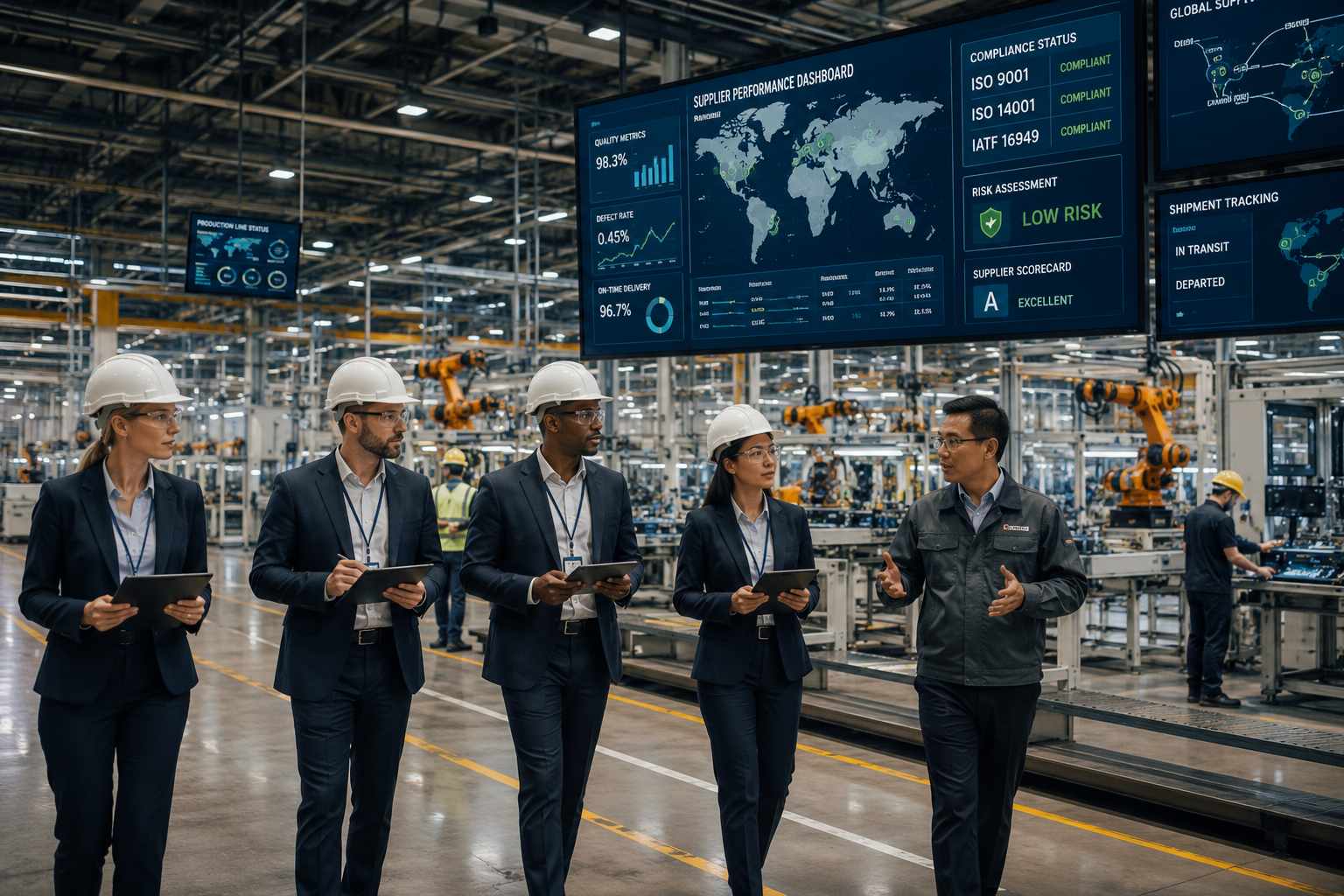
China’s manufacturing environment has developed around managing these connections. Instead of isolated factories, many regions function as integrated production hubs, where suppliers, logistics providers, and support services work closely together.
Why Experience Matters More Than Speed
In fast-moving markets, speed often gets the spotlight. But for brands that produce physical products, experience is just as important. Teams that have navigated production cycles many times develop instincts that are hard to replace.
They understand where delays tend to occur. They know how long certain processes really take. They plan buffers based on reality, not ideal scenarios. This experience helps reduce surprises and allows brands to plan with greater confidence.
For companies entering or expanding manufacturing, learning from existing models can be valuable. Some brands explore industry overviews like fuleisourcing to better understand how different sourcing approaches work and what kinds of structures support long-term stability.
Growth Changes Everything
Many brands begin with a simple setup. A single product. One supplier. Clear communication. As demand grows, this simplicity fades. Product lines expand. Order sizes increase. Deadlines become less flexible.
At this stage, sourcing is no longer a background task. It becomes a central operational challenge. Managing multiple suppliers means more communication, more coordination, and more opportunities for things to go wrong.
Brands that continue to rely on ad-hoc processes often feel this strain first. Missed updates, unclear responsibilities, and last-minute adjustments create stress that distracts teams from growth.
Coordination as a Competitive Advantage
One lesson many growing brands learn is that coordination can be a competitive advantage. When production runs smoothly, teams can focus on improving products and serving customers. When it doesn’t, energy is spent reacting to problems.
This is why some companies choose to centralize their sourcing efforts rather than manage everything themselves. Working with a china product sourcing company can help create clearer workflows, consistent communication, and shared accountability across suppliers.
The goal isn’t to remove flexibility, but to reduce uncertainty. Knowing who handles what—and when—makes scaling far more manageable.
Why Smaller Brands Rely on External Systems
Large corporations often have entire departments dedicated to supply chain management. Smaller brands usually don’t. For them, building factories or large internal teams is rarely practical.
External systems allow these brands to operate with structure without heavy infrastructure. They gain access to established processes, industry knowledge, and coordination tools that would otherwise take years to develop.
This approach also preserves flexibility. Brands can scale production up or down as demand changes, without locking themselves into fixed assets.
China’s Role in a Changing World
China’s place in global manufacturing is not static. Automation, improved logistics, and digital tools continue to reshape how production is managed. While some companies diversify parts of their supply chains, China remains a central hub for coordinating complex manufacturing systems.
Its strength lies not in a single advantage, but in the way many capabilities come together—experience, scale, and coordination working as a system.
Choosing Stability Over Shortcuts
Manufacturing decisions are rarely about finding a perfect solution. They involve trade-offs. Brands weigh cost against reliability, speed against control, and short-term gains against long-term growth.
For many companies, China remains part of this balance because it supports consistency in a world that changes quickly. The systems built around production help brands adapt without constant disruption.
A Story Consumers Rarely See
Most consumers will never see the decisions behind the products they use. They won’t see the planning, the adjustments, or the coordination required to deliver something that feels simple.
But for the brands behind those products, understanding how manufacturing really works—and choosing the right structures to support it—often makes the difference between steady growth and ongoing struggle.