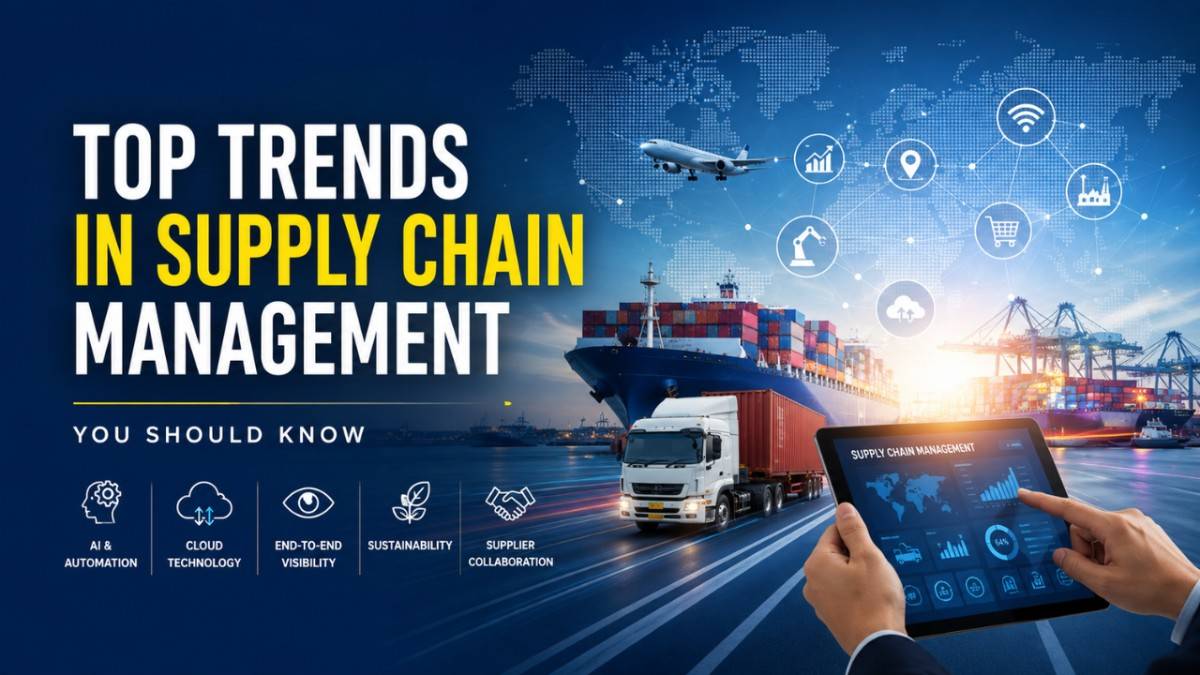
Top Trends in Supply Chain Management You Should Know
-

- Published Updated
- 9,402 views
Introduction
The world of supply chain management is evolving at an unprecedented pace, driven by technology, globalization, and shifting customer expectations. Businesses today are no longer focused solely on moving goods from point A to point B; they are building intelligent, resilient, and agile supply chains that can adapt to constant change. Soft Online Training has been actively helping professionals stay ahead of this transformation by offering industry-relevant learning paths in modern supply chain technologies.
If you’re planning to build or grow your career in supply chain management, understanding the latest trends is not optional, it's essential. From AI-powered planning to cloud-based systems like Oracle Fusion, the landscape is being reshaped rapidly. In this blog, we’ll explore the top trends in supply chain management you should know and how you can align your skills with them.
1. Digital Transformation of Supply Chains
Digital transformation is no longer a buzzword, it’s a necessity. Companies are shifting from legacy systems to modern, cloud-based platforms that provide real-time visibility and control.
Traditional systems like ERP on-premise solutions are being replaced with cloud solutions such as Oracle Fusion SCM. These platforms integrate procurement, inventory, logistics, and planning into a unified ecosystem. As a result, businesses can make faster and more informed decisions.
Professionals looking to stay relevant are increasingly enrolling in Oracle Fusion SCM Training to understand how digital supply chains operate. This trend is only expected to grow as organizations continue investing in automation and digital tools.
2. Rise of Cloud-Based Supply Chain Solutions
Cloud computing has transformed how supply chains operate. With cloud-based platforms, companies can access data anytime, anywhere, and collaborate seamlessly across global teams.
Solutions like Oracle Fusion SCM Cloud provide scalability, flexibility, and cost-efficiency. They eliminate the need for heavy IT infrastructure while ensuring data security and real-time updates.
This shift has significantly increased the demand for Oracle Fusion SCM Cloud Online Training, as companies look for professionals who can implement and manage cloud-based supply chain systems. Learning cloud SCM is no longer optional it’s becoming a core requirement in the industry.
3. Artificial Intelligence and Machine Learning Integration
AI and ML are revolutionizing supply chain management by enabling predictive analytics, demand forecasting, and intelligent automation.
For example:
Predicting demand fluctuations
Optimizing inventory levels
Identifying potential disruptions
AI-powered supply chains can analyze vast amounts of data and provide actionable insights in real time. This reduces human error and improves efficiency.
Modern Oracle Fusion SCM systems are increasingly integrating AI capabilities, making Oracle Fusion SCM Online Training a valuable investment for professionals who want to work with advanced technologies.
4. End-to-End Visibility and Transparency
Visibility is one of the biggest challenges in supply chain management. Companies need to track goods, inventory, and operations in real time to avoid disruptions.
Technologies such as IoT (Internet of Things) and blockchain are helping organizations achieve end-to-end visibility. Businesses can now monitor shipments, track delays, and ensure product authenticity.
Cloud platforms like Oracle Fusion SCM enable centralized dashboards where all supply chain data is accessible in real time. This makes it easier for managers to identify bottlenecks and take corrective actions quickly.
5. Focus on Supply Chain Resilience
Recent global disruptions have highlighted the importance of resilience in supply chains. Companies are now focusing on building systems that can withstand uncertainties such as pandemics, geopolitical tensions, and natural disasters.
Key strategies include:
Diversifying suppliers
Maintaining safety stock
Using predictive analytics
Professionals trained through an Oracle Fusion SCM Course can better understand how to design resilient supply chains using modern tools and strategies.
6. Sustainability and Green Supply Chains
Sustainability is becoming a top priority for organizations worldwide. Businesses are under pressure to reduce their carbon footprint and adopt eco-friendly practices.
Green supply chain initiatives include:
Reducing waste
Optimizing transportation routes
Using sustainable packaging
Modern SCM systems provide tools to track emissions and improve sustainability metrics. Companies are actively looking for professionals who understand both supply chain operations and sustainability practices.
7. Automation and Robotics
Automation is transforming warehouses and logistics operations. Robotics, automated guided vehicles (AGVs), and smart warehouses are improving efficiency and reducing labor costs.
Key benefits include:
Faster order processing
Reduced human errors
Improved productivity
Integration with cloud-based systems like Oracle Fusion SCM allows seamless coordination between automated systems and supply chain software.
Professionals with expertise gained through Oracle Fusion SCM Training can play a crucial role in implementing and managing these automated processes.
8. Data-Driven Decision Making
Data is the backbone of modern supply chains. Organizations are leveraging big data analytics to make informed decisions.
With advanced analytics, companies can:
Forecast demand accurately
Optimize inventory levels
Improve supplier performance
Oracle Fusion SCM provides powerful analytics tools that help businesses turn data into actionable insights. This is why Oracle Fusion SCM Online Training is gaining popularity among professionals who want to build data-driven supply chain careers.
9. Omni-Channel Supply Chain Strategies
With the rise of e-commerce, customers expect seamless shopping experiences across multiple channels online, offline, and mobile.
Omni-channel supply chains ensure that products are available wherever customers need them. This requires:
Real-time inventory management
Efficient order fulfillment
Integrated logistics systems
Cloud-based solutions like Oracle Fusion SCM help organizations manage omni-channel operations effectively.
10. Supplier Collaboration and Relationship Management
Strong supplier relationships are critical for a successful supply chain. Companies are investing in supplier collaboration tools to improve communication and performance.
Modern SCM systems allow businesses to:
Share real-time data with suppliers
Track supplier performance
Improve procurement processes
Learning these capabilities through an Oracle Fusion SCM Course can help professionals excel in procurement and supplier management roles.
11. Cybersecurity in Supply Chain
As supply chains become more digital, cybersecurity risks are increasing. Protecting sensitive data and systems is a top priority for organizations.
Companies are implementing:
Secure cloud platforms
Data encryption
Access control systems
Oracle Fusion SCM Cloud provides robust security features, making it a preferred choice for businesses. This also increases the demand for professionals trained in Oracle Fusion SCM Cloud Online Training.
12. Hyper-Personalization and Customer-Centric Supply Chains
Customers today expect personalized experiences. Supply chains are evolving to meet these expectations by becoming more customer-centric.
This includes:
Customized products
Faster delivery options
Real-time order tracking
Advanced SCM systems enable businesses to tailor their operations based on customer preferences, improving satisfaction and loyalty.
13. Integration of Blockchain Technology
Blockchain is emerging as a powerful tool in supply chain management. It provides transparency, security, and traceability.
Use cases include:
Tracking product origins
Preventing fraud
Ensuring compliance
Although still in early adoption, blockchain is expected to play a significant role in future supply chains.
14. Workforce Transformation and Skill Development
As technology evolves, so do the skills required in supply chain management. Traditional roles are being replaced by tech-driven positions.
In-demand skills include:
Cloud SCM expertise
Data analytics
AI and automation knowledge
Enrolling in Oracle Fusion SCM Training or an Oracle Fusion SCM Course can help professionals stay competitive in this rapidly changing environment.
15. Real-Time Supply Chain Planning
Real-time planning is becoming a game-changer. Companies can now respond instantly to changes in demand, supply, or market conditions.
With tools like Oracle Fusion SCM, businesses can:
Adjust production schedules
Reallocate inventory
Optimize logistics in real time
This level of agility is critical for staying competitive in today’s fast-paced market.
Conclusion
Supply chain management is undergoing a massive transformation driven by technology, data, and changing business needs. From AI and automation to cloud computing and sustainability, these trends are shaping the future of the industry.
For professionals, this presents both a challenge and an opportunity. Staying updated with the latest trends and acquiring the right skills is essential for career growth. Programs like Oracle Fusion SCM Training, Oracle Fusion SCM Online Training, Oracle Fusion SCM Cloud Online Training, and Oracle Fusion SCM Course provide the knowledge and practical exposure needed to succeed in this evolving field.
As companies continue to adopt advanced supply chain technologies, the demand for skilled professionals will only increase. Now is the perfect time to invest in your learning and position yourself at the forefront of the supply chain revolution.