OEM Partnerships Explained: How Brands Choose the Right Manufacturing Partner
-

- Published Updated
- 5,612 views
Businesses today are under constant pressure to launch products faster, reduce production costs, and maintain consistent quality. Whether it is a startup introducing its first product or an established company expanding into new markets, building an in-house manufacturing facility is often expensive and time-consuming. This is why many brands choose to work with Original Equipment Manufacturers (OEMs).
An OEM partnership allows businesses to focus on product development, branding, sales, and customer service while an experienced manufacturing partner handles production. This model has become common across industries such as automotive, electronics, industrial equipment, healthcare, consumer goods, and packaging.
India has also become one of the preferred destinations for OEM manufacturing. With a skilled workforce, competitive production costs, modern manufacturing facilities, and growing export capabilities, Indian manufacturers are helping businesses around the world bring their products to market efficiently.
This guide explains what an OEM partnership is, how it works, its benefits, the challenges involved, and how businesses can choose the right manufacturing partner.
What Is an OEM Partnership?
An OEM partnership is a business relationship in which one company manufactures products or components according to another company's specifications. The buying company owns the product design, branding, and market strategy, while the OEM is responsible for producing the product based on agreed quality standards.
In simple terms, the brand sells the product under its own name, but the manufacturing is carried out by a specialized partner.
For example, a company may design industrial equipment and market it worldwide without owning a manufacturing plant. Instead, it partners with an OEM manufacturer that produces the equipment according to detailed engineering drawings and quality requirements.
This arrangement allows both companies to focus on their strengths. The brand concentrates on innovation and customer relationships, while the manufacturer focuses on efficient production and quality control.
How an OEM Partnership Works
Although every project is different, most OEM partnerships follow a similar process.
Product Requirements
The partnership begins when the brand shares its product specifications with the manufacturer. These may include drawings, material requirements, technical standards, dimensions, certifications, packaging requirements, and production volumes.
Clear communication at this stage helps avoid misunderstandings later in production.
Design Review
The OEM reviews the design to determine whether it can be manufactured efficiently. If improvements are needed to simplify production or reduce costs without affecting quality, the manufacturer may suggest design modifications.
This collaborative approach often improves the final product.
Prototype Development
Before large-scale production begins, the OEM develops prototypes or sample products.
These samples allow the customer to verify dimensions, materials, functionality, appearance, and performance before approving mass production.
Production Planning
After prototype approval, the manufacturer prepares production schedules, sources raw materials, arranges machinery, and plans workforce allocation.
Proper planning ensures timely production and minimizes delays.
Manufacturing
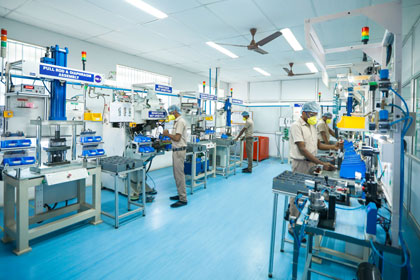
The OEM manufactures the products according to the agreed specifications while following quality management procedures throughout the production process.
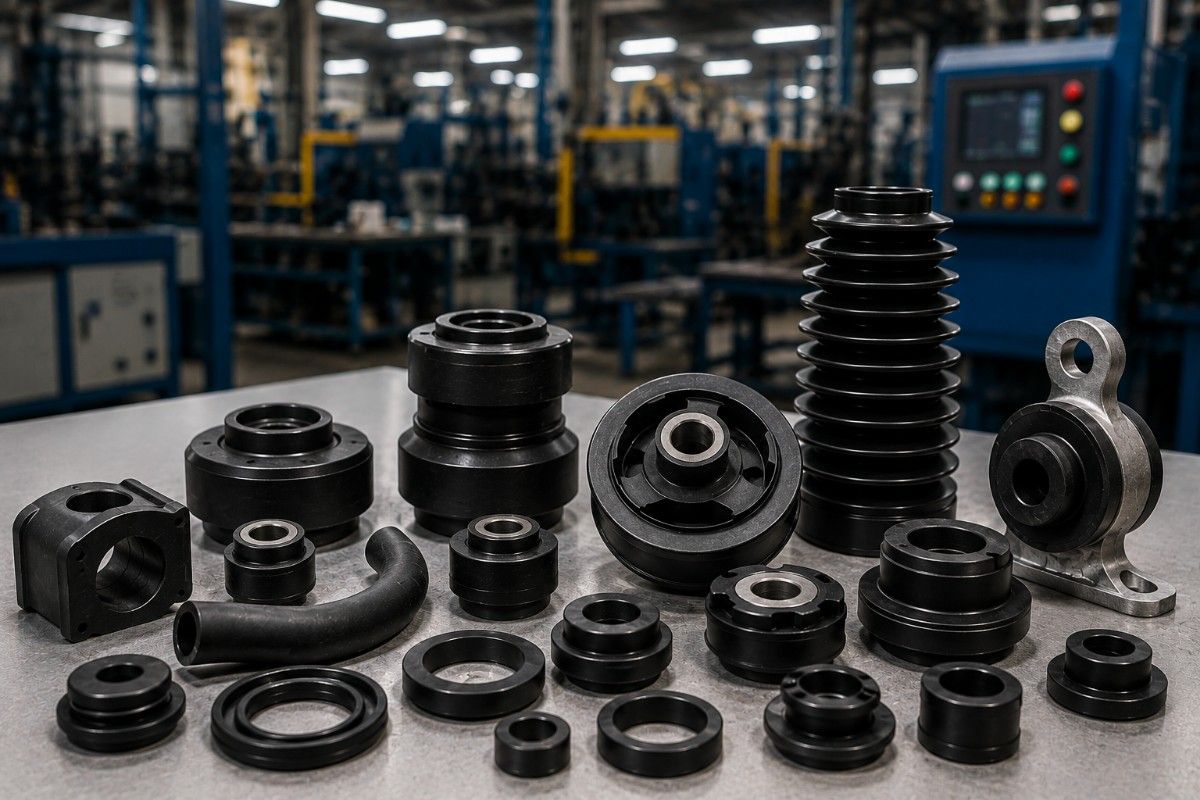
Depending on the product, manufacturing may involve machining, fabrication, casting, molding, assembly, finishing, testing, and packaging.
Quality Inspection
Quality checks are carried out during production as well as after manufacturing is completed.
Products are inspected for dimensions, material quality, performance, finish, safety, and compliance with customer requirements.
Packaging and Delivery
Once approved, the finished products are packaged according to customer specifications and shipped to warehouses, distributors, or directly to customers.
Many OEM manufacturers also provide export documentation, logistics coordination, and inventory management support.
Types of OEM Partnerships
OEM partnerships can take different forms depending on business needs.
Design-to-Manufacture
In this model, the customer provides the complete product design, and the OEM manufactures exactly according to those specifications.
This model is suitable for companies with strong engineering capabilities.
Component Manufacturing
Some OEMs specialize in manufacturing individual parts rather than complete products.
These components are supplied to companies that assemble the final product in their own facilities.
Contract Manufacturing
An OEM may manufacture complete products while the customer handles branding, marketing, and distribution.
This model allows businesses to scale production without investing in manufacturing infrastructure.
Private Label Manufacturing
In private label manufacturing, the OEM produces standardized products that businesses sell under their own brand names.
This approach is common in consumer goods, cosmetics, food products, and household items.
End-to-End Manufacturing
Some manufacturers provide complete production solutions that include sourcing raw materials, manufacturing, assembly, testing, packaging, warehousing, and logistics support.
This reduces the need for multiple suppliers.
Benefits of OEM Partnerships for Brands
OEM partnerships offer several advantages for businesses looking to grow efficiently.
Lower Capital Investment
Setting up a manufacturing facility requires significant investment in land, machinery, equipment, skilled labor, and compliance.
Working with an OEM eliminates these upfront costs.
Faster Time to Market
Experienced manufacturers already have production systems, machinery, and trained personnel in place.
This allows businesses to launch products more quickly.
Access to Manufacturing Expertise
OEM manufacturers have years of experience in production processes, quality management, and material selection.
Businesses benefit from this expertise without building it internally.
Better Production Flexibility
Production volumes can often be adjusted according to market demand.
This flexibility helps companies respond to seasonal demand or business growth.
Consistent Product Quality
Professional manufacturers follow standardized production processes and quality inspections to maintain consistent product quality across multiple production batches.
Focus on Core Business Activities
By outsourcing manufacturing, businesses can spend more time on research, marketing, customer support, and expanding their market presence.
Benefits of OEM Partnerships for Manufacturers
OEM partnerships are equally beneficial for manufacturers.
Long-term contracts provide stable production schedules and predictable revenue.
Working with multiple brands helps manufacturers improve operational efficiency and utilize production capacity more effectively.
OEM partnerships also encourage manufacturers to invest in advanced technology, automation, and quality management systems to meet customer expectations.
As manufacturers successfully deliver projects, they build credibility and attract additional business opportunities from domestic and international markets.
How to Choose the Right OEM Manufacturing Partner
Selecting the right manufacturing partner is one of the most important decisions for any business.
Evaluate Manufacturing Experience
Look for manufacturers with experience in your industry or product category.
Industry knowledge often results in better production planning and fewer quality issues.
Review Production Capacity
The manufacturer should have sufficient machinery, workforce, and infrastructure to meet your production requirements today and as your business grows.
Check Quality Standards
Ask about quality management systems, inspection procedures, testing capabilities, and certifications.
A reliable OEM should have clearly defined quality processes.
Verify Certifications
Depending on your industry, manufacturers may hold certifications related to quality, environmental management, safety, or industry-specific standards.
These certifications demonstrate commitment to maintaining consistent production practices.
Assess Communication
Clear communication is essential throughout the partnership.
Choose a manufacturer that responds promptly, shares production updates, and addresses concerns openly.
Review Supply Chain Strength
Reliable access to raw materials and dependable suppliers helps reduce production delays and maintain delivery schedules.
Request Product Samples
Always review sample products before placing large production orders.
Samples provide insight into manufacturing quality, workmanship, and attention to detail.
Consider Long-Term Compatibility
An OEM partnership is often a long-term relationship.
Choose a manufacturer that understands your business goals and is willing to grow alongside your company.
Common Challenges in OEM Partnerships
While OEM partnerships offer many advantages, businesses should also understand potential challenges.
Communication Gaps
Incomplete specifications or unclear expectations can lead to production errors.
Detailed documentation and regular meetings help reduce misunderstandings.
Intellectual Property Protection
Businesses should protect product designs, technical drawings, and confidential information through legal agreements before sharing them with manufacturers.
Quality Variations
Without proper quality control, production quality may vary between batches.
Regular inspections and defined quality standards help maintain consistency.
Supply Chain Disruptions
Material shortages, transportation delays, or unexpected events may affect production schedules.
Working with experienced manufacturers that have strong supplier networks helps reduce these risks.
Production Delays
Unexpected equipment failures or workforce shortages can impact delivery timelines.
Realistic production planning and regular progress updates improve project management.
Questions to Ask Before Signing an OEM Agreement
Before entering an OEM partnership, businesses should gather detailed information about the manufacturer's capabilities.
Some important questions include:
What industries do you specialize in?
What certifications do you hold?
Can you provide product samples?
What quality control procedures do you follow?
What are your production capacities?
How do you handle production delays?
What are your minimum order quantities?
How is confidential information protected?
Can production volumes be increased when demand grows?
What support do you provide after production?
These discussions help establish clear expectations before production begins.
OEM vs ODM vs OBM
Many businesses confuse these manufacturing models.
In an OEM model, the customer owns the product design while the manufacturer produces it according to specifications.
In an ODM model, the manufacturer develops the product design, and businesses customize it with their own branding before selling it.
In an OBM model, the manufacturer creates, manufactures, markets, and sells products under its own brand name.
Understanding these differences helps businesses choose the right manufacturing strategy based on their budget, resources, and product development capabilities.
Why India Is Becoming a Preferred OEM Manufacturing Destination
India has emerged as a leading manufacturing hub for global businesses.
The country offers competitive production costs while maintaining high manufacturing standards across many industries.
Indian manufacturers continue to invest in automation, precision engineering, quality management systems, and export infrastructure.
A large pool of skilled engineers, technicians, and manufacturing professionals supports complex production requirements across sectors such as automotive, engineering, electrical equipment, medical devices, consumer products, and industrial machinery.
Government initiatives that encourage manufacturing growth, combined with expanding logistics networks and international trade opportunities, have further strengthened India's position as a reliable sourcing destination.
For businesses looking for dependable OEM manufacturing partners, India provides an attractive combination of cost efficiency, production expertise, scalability, and export readiness.
Conclusion
OEM partnerships have become an important part of modern manufacturing. They allow businesses to reduce investment costs, accelerate product launches, improve production efficiency, and maintain consistent quality without building their own manufacturing facilities.
However, the success of an OEM partnership depends on selecting the right manufacturing partner. Businesses should evaluate experience, production capabilities, quality systems, communication practices, and long-term reliability before making a decision.
A strong OEM relationship is more than a supplier agreement. It is a strategic partnership that supports business growth, product quality, and long-term competitiveness. By working with an experienced and reliable OEM manufacturer, companies can focus on innovation and market expansion while ensuring that every product meets customer expectations and industry standards.