Allen Key Market Innovations Address Industrial Alignment Challenges In Allen Key Market Supply Chains
-

- Published Updated
- 6,645 views
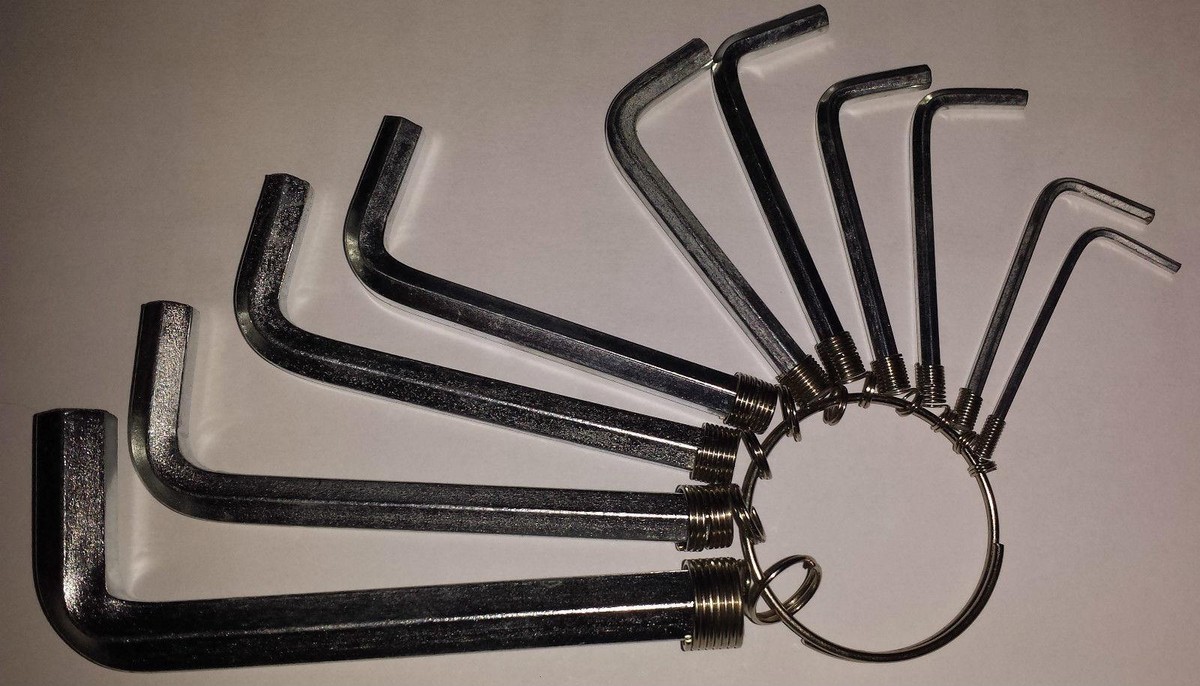
In modern engineering environments, small tools often drive the biggest operational shifts. Allen key market innovations are reshaping how assembly precision, maintenance speed, and equipment reliability are evaluated across industries that depend on exact fastening performance. What once appeared to be a simple hand tool category is now becoming a focal point for design improvement and industrial efficiency.
The rising attention toward allen key market innovations is not accidental. Manufacturers are responding to demands for higher accuracy in confined assembly spaces, reduced fatigue during long maintenance cycles, and improved compatibility with advanced machinery systems. This shift is also influencing related tools such as aircraft wrench systems used in precision environments where torque consistency matters as much as speed.
Allen Key Market Innovations
The evolution of allen key market innovations is closely tied to how industries are rethinking manual fastening systems in high precision environments. In production lines where a single fastening error can impact performance, engineers are now prioritizing precision torque hex key tools in manufacturing processes to achieve controlled tightening and reduced material stress. These tools are increasingly designed to balance torque delivery with ergonomic handling, reducing strain during repetitive tasks.
A major transformation is also visible in how tool manufacturers approach design intelligence. Traditional solid steel hex keys are being refined into modular systems that improve accessibility in compact assemblies. In sectors such as electronics, automotive sub assemblies, and heavy equipment maintenance, compact tool geometry is becoming essential. This has led to broader adoption of ergonomic hex key sets for maintenance engineers who work in constrained positions for extended periods.
Another important shift is the integration of material science improvements. Heat treated alloys and coated surfaces are now common to improve durability and reduce wear during high frequency use. This directly supports maintenance teams working in continuous operation environments where downtime is costly.
Industrial demand is also influenced by parallel growth in industrial fastening tools for aerospace assembly lines. In these environments, precision is not optional. Even minor deviations in fastening torque can affect structural integrity. As a result, tool manufacturers are focusing on calibration consistency and enhanced grip stability.
Supply chain expectations are also shaping innovation. Organizations are increasingly selecting tool systems that can perform across multiple environments without recalibration or replacement. This is especially relevant in maintenance operations where tools must adapt quickly between assembly, inspection, and repair tasks.
The market is also seeing a gradual convergence between manual tools and assisted torque systems. While fully automated fastening exists in some environments, manual precision tools remain essential for final adjustments. This balance between automation and human control is driving continuous refinement in tool ergonomics and material performance.
Allen Key Tool Market Trends In Aerospace Manufacturing
The evolution of allen key tool market trends in aerospace manufacturing reflects a deeper focus on reliability, repeatability, and controlled assembly performance. Aerospace systems require fastening solutions that can operate within extremely tight tolerances, where even slight inconsistencies may affect system behavior. This has encouraged manufacturers to refine tool geometry and improve torque feedback sensitivity.
Within aerospace maintenance operations, precision torque hex key tools in manufacturing processes are widely used for component alignment and structural fastening. These tools support technicians working on aircraft systems where confined spaces and complex assemblies demand both flexibility and accuracy. The integration of lightweight yet durable alloys has also improved usability during extended maintenance cycles.
Another growing influence is the role of industrial fastening tools for aerospace assembly lines, which are being designed to support high volume yet precision critical workflows. These tools are expected to maintain consistency across repeated operations, reducing variability in assembly outcomes. This expectation has pushed innovation toward better grip materials and refined tip engineering.
Aircraft wrench systems also play a supporting role in these environments, especially where torque requirements exceed standard manual tool capacity. The combination of aircraft wrench usage and hex key systems creates a layered approach to fastening, ensuring both coarse and fine adjustments can be achieved within the same workflow.
Ergonomic improvements remain central to aerospace tool design evolution. Engineers are increasingly focused on reducing repetitive stress injuries by redesigning handle geometry and improving load distribution. This is especially important in maintenance hangars where technicians perform long duration tasks under physically demanding conditions.
Digital traceability is another emerging influence. While not replacing manual tools, measurement assisted systems are being paired with traditional tools to verify torque application consistency. This hybrid approach supports quality assurance protocols without removing human precision from critical tasks.
As aerospace systems continue to evolve, the demand for highly specialized fastening solutions is expected to expand further. Tool manufacturers that can balance durability, ergonomic design, and precision control will remain central to the ongoing transformation of this sector.
The future of this market is moving toward smarter material choices and more adaptive tool systems that support both efficiency and human skill. This progression suggests that innovation in fastening tools will remain a quiet but essential driver of engineering performance across advanced industries.