White Label Product Guide: What It Is, How It Works, and Business Uses
-

- February 23rd, 2026
- 1,635 views

FREE SEO Topical Map Generator: Find Your Next Content Ideas
A white label product is a finished good produced by one company and rebranded and sold by another company as its own. The concept of a white label product appears across retail, software, food, and consumer goods, where manufacturers, suppliers, and resellers use white-labeling to expand offerings without building new production capacity.
- Definition: A white label product is manufactured by one firm and rebranded by another for resale.
- Main models: Private-label, contract manufacturing, and OEM/ODM variants.
- Common uses: Retail, SaaS, food and beverage, cosmetics, and electronics.
- Key considerations: Quality control, contracts, intellectual property, and regulatory compliance.
How a white label product works
White-labeling typically involves three parties: the manufacturer that produces the item, the brand owner that buys or licenses the product, and the distribution channel that sells it to consumers. The manufacturer creates a generic or semi-custom product according to specifications; the brand owner then purchases units, applies its own labeling, packaging, and marketing, and sells the product under its brand name. This arrangement lets brands focus on marketing, sales, and customer relationships while outsourcing production and sometimes logistics.
Common arrangements and terminology
Related concepts and terms include private label (retailer-specific branding), original equipment manufacturer (OEM), original design manufacturer (ODM), dropshipping (supplier ships directly to the customer), and contract manufacturing (production under contract with specific requirements). Each arrangement varies in ownership of tooling, design responsibility, minimum order quantities (MOQs), and control over formulations or specifications.
Benefits and drawbacks of using a white label product
Benefits
- Speed to market: Launch products faster without building factories or R&D teams.
- Lower capital requirements: Avoid large upfront investments in manufacturing equipment.
- Focus on branding and sales: Resources can be devoted to marketing, distribution, and customer service.
- Scalability: Quickly scale SKU offerings by adding supplier-produced items.
Drawbacks and risks
- Quality control: Dependence on the manufacturer for consistent product quality and safety.
- Differentiation challenges: Products from white-label suppliers may be similar across multiple brands.
- Regulatory and IP risks: Responsibility for labeling, claims, and trademark issues falls on the selling brand.
- Supply chain vulnerability: Delays, MOQ constraints, or supplier insolvency can disrupt availability.
Choosing and managing a white label product partnership
Steps for evaluating suppliers
Due diligence typically includes requesting samples, checking manufacturing certifications (ISO, GMP for cosmetics and food, etc.), auditing production facilities when possible, reviewing references from other clients, and confirming lead times and MOQs. Written agreements should specify quality standards, warranties, delivery schedules, and remedies for defective goods.
Contract and legal considerations
Important contract elements include intellectual property ownership or licensing, confidentiality, liability limits, recall procedures, and termination rights. Brands must also ensure compliance with consumer protection and product safety rules in markets where the product will be sold. Regulatory agencies, such as national consumer protection authorities, set labeling and safety standards that sellers must follow; for general small business guidance, government resources can provide helpful overviews and steps for compliance (U.S. Small Business Administration).
Examples and common industries
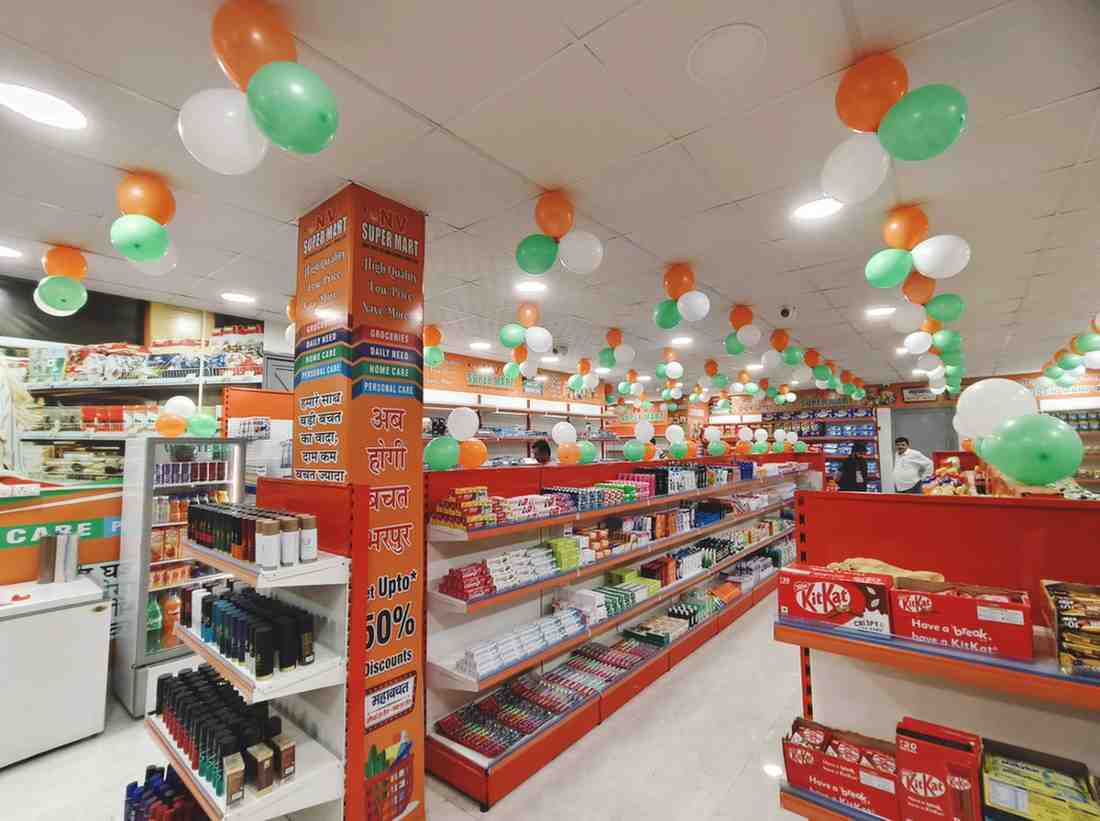
White label products appear across many sectors. In retail, supermarkets sell private-label food and household items produced by third-party manufacturers. In cosmetics and personal care, contract manufacturers produce formulas that brands brand and market. In technology, white-label software or SaaS platforms allow resellers to offer cloud services under their own name. Electronics, supplements, apparel, and home goods also commonly use white-label arrangements.
How branding and marketing change value
Successful use of white-label products often depends on differentiation through packaging, customer experience, pricing strategy, and channel selection. Exclusive contracts, private formulations, or custom packaging can help a reseller avoid commoditization and preserve margins.
Operational considerations: supply chain, quality, and pricing
Operational best practices include establishing clear quality inspection processes, tracking lot numbers for traceability, planning inventory buffers for lead time variation, and negotiating pricing that accounts for production costs, shipping, tariffs, and retailer margins. Brands should monitor returns, customer feedback, and third-party testing results to identify issues early.
When to choose white-labeling vs. building a product
White-labeling suits organizations prioritizing speed, lower capital expense, and marketing-led growth. Building a unique product may be preferable when proprietary technology, strong differentiation, or long-term control of manufacturing is strategically important.
Regulatory and ethical considerations
Sellers are responsible for truthful marketing, accurate ingredient and safety labeling, and compliance with consumer protection regulations in their markets. Regulatory bodies such as national consumer protection agencies and standards-setting organizations provide rules and guidance on labeling claims, product safety testing, and recalls. Brands should consult relevant regulators or legal counsel for jurisdiction-specific obligations.
Documentation and traceability
Maintain supplier contracts, certificates of analysis, test reports, and traceability records to support compliance efforts and to respond effectively to quality incidents or regulator inquiries.
Frequently asked questions
What is a white label product and how does it differ from private label?
A white label product is produced by one company and sold under another company's brand. Private label is a type of white-labeling typically associated with retailers launching their own brand for products sold exclusively in their stores. The terms overlap, but private label often implies retailer exclusivity while white label may be resold by multiple brands.
Who owns the intellectual property for a white label product?
Ownership depends on the contract. Some arrangements transfer design or formula ownership to the buyer; others retain IP with the manufacturer while licensing use to the brand. Contracts should clarify ownership, permitted uses, and protections for proprietary information.
Can a white label product be customized?
Yes. Many manufacturers offer customization options such as packaging, labeling, minor formulation changes, or exclusive colorways. More extensive customization may require higher MOQs and additional lead time.
How should quality control be handled for white-label goods?
Establish written quality standards, require samples and certificates, conduct periodic audits if feasible, and implement incoming inspection on receipt. Clear contractual remedies for defects and a documented recall plan are also important.
Is white labeling suitable for small businesses?
White labeling can be attractive to small businesses because it reduces upfront manufacturing costs and speeds product launch, but careful supplier selection, compliance checks, and margin planning are essential for long-term success.