How Handcrafted Juttis Went Global: The Gulbhahar Story and Practical Guide
-
- March 22nd, 2026
- 366 views
Traditional artisan footwear is experiencing renewed global interest, and handcrafted juttis sit at the center of that shift. This article explains why handcrafted juttis are capturing international attention, uses the Gulbhahar story as a practical case study, and lays out an actionable checklist for makers, buyers, and retailers.
Detected intent: Informational
What this guide covers: market signals behind growing demand for handcrafted juttis, cultural and supply-chain factors, a named framework (CRAFT checklist) to evaluate products or build a small brand, a short real-world example (Gulbhahar), 3–5 practical tips, and a list of five core cluster questions for further content or linking.
Core cluster questions (ideal internal linking targets):
- How are handcrafted juttis made step-by-step?
- What materials define authentic jutti craftsmanship?
- How can small artisans export footwear internationally?
- Which sustainability standards apply to leather and embroidery?
- How do cultural protections like UNESCO listings affect craft markets?
Why handcrafted juttis are capturing international attention
Several converging trends explain why handcrafted juttis are being rediscovered beyond local markets: growing demand for artisanal products, interest in heritage textiles, clearer global routes for small exporters, and buyer preference for traceability and sustainability. The label "handcrafted juttis" signals a tangible connection to artisan skills such as hand-embroidery, zardozi, beadwork, and hand-stitched leatherwork—qualities often absent in mass-produced footwear.
Market forces, cultural value, and supply-chain dynamics
Market forces
Consumers in many markets now prioritize unique, storied goods. Higher willingness to pay for craft authenticity creates channels for Indian artisan footwear to reach boutiques and e-commerce platforms. At the same time, social media and curated marketplaces reduce discovery friction for niche products.
Cultural value and authenticity
Handcrafted juttis represent a regional craft tradition that conveys cultural meaning—techniques such as hand-cutting leather, channel stitching, and regional embroidery motifs. Including provenance information (region, artisan collective, technique) increases perceived value and helps interpret the product for international buyers.
Supply-chain considerations
Export readiness requires quality consistency, packaging, labeling, and regulatory awareness (customs, material restrictions). Traceability of materials—especially leather—affects market access in countries with strict import or sustainability rules.
The Gulbhahar story: a short real-world example
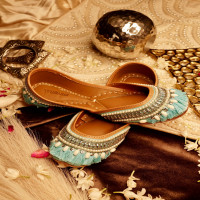
Gulbhahar began as a community of skilled shoemakers in a regional craft hub. By documenting artisan techniques, standardizing a small set of styles for export, and adding clear provenance tags that describe materials and stitchwork, Gulbhahar expanded from local bazaars to international boutique buyers. A focus on consistent sizing, a simple returns policy, and photography that shows close-up detail of embroidery converted interest into repeat orders. This example illustrates how craft credibility plus operational basics unlock foreign demand.
CRAFT checklist: a named framework to evaluate or build a jutti product
The CRAFT checklist is a compact model for makers, buyers, and small brands evaluating handcrafted juttis:
- Cultural authenticity — Document region, technique, and design lineage.
- Responsibly sourced materials — Verify leather tanning, thread, and bead origins.
- Artisan engagement — Ensure fair pay, skill recognition, and training records.
- Finish & consistency — Standardize lasts, sizing, and finishing for quality control.
- Traceability & transparency — Label materials, care instructions, and supply-chain steps.
Applying CRAFT helps balance heritage with market expectations: cultural authenticity increases desirability while finish and traceability reduce friction for international buyers.
Practical tips for makers, retailers, and buyers
- Document the process: Use simple product tags or an online page to show photos of artisans at work and a brief description of techniques (e.g., hand-stitched leather soles, mirror work, zardozi). This builds trust and storytelling assets for listings.
- Standardize sizing and photographs: Provide size charts, last measurements, and multiple close-up images of motifs and seams; include a short video if possible to show flexibility and finish.
- Clarify materials and care: State leather type, lining, and recommended care instructions—important for buyers concerned about durability and maintenance.
- Start small with export compliance: Learn basic customs documentation and material restrictions for target markets; consider partnering with an export facilitator or local trade office to minimize surprises.
- Price with fairness and transparency: Show a fair split of costs where feasible (artisan pay, materials, workspace) to validate premium pricing and support ethical purchasing decisions.
Trade-offs and common mistakes
Trade-offs
Prioritizing handcrafted authenticity often means higher production times and variability in finish. Buyers seeking strict uniformity may prefer machine-made alternatives. Balancing scale and craft requires careful decisions: small-batch production preserves craft but limits volume; standardization increases exportability but can dilute uniqueness.
Common mistakes
- Overpromising durability — Not all handcrafted juttis are designed for heavy, daily wear; clarity about intended use prevents returns and negative reviews.
- Neglecting logistics — Ignoring packaging, customs paperwork, or labeling requirements frequently delays shipments and harms buyer trust.
- Poor documentation — Lack of provenance, unclear materials, or no care instructions lowers perceived value and reduces conversion in online sales.
Standards, recognition, and cultural protections
Recognition from cultural institutions can boost visibility and credibility. For example, discussions about safeguarding craft traditions often reference frameworks from UNESCO and national cultural agencies, which support best practices for heritage crafts and community protections. See the UNESCO Intangible Cultural Heritage resource for guidance on cultural safeguarding: UNESCO Intangible Cultural Heritage.
How to use this article
This guide serves three audiences: consumers deciding whether to buy handcrafted juttis, small brands looking to sell internationally, and content teams building linked resources. Use the CRAFT checklist to audit products, implement the practical tips to reduce friction, and avoid the listed common mistakes.
Next steps and resources
Implement the CRAFT checklist on one style as a pilot, gather buyer feedback, and iterate. For content teams, each core cluster question listed above makes a strong follow-up article or product page topic to improve SEO and internal linking.
FAQ: What are handcrafted juttis and why do they matter?
Handcrafted juttis are traditional South Asian slip-on shoes made using hand-stitched leather or fabric uppers and often decorated with embroidery, beads, or mirror work. They matter because they represent living artisan skills, support local economies, and meet consumer demand for unique, traceable products.
How are handcrafted juttis made step-by-step?
Standard steps include pattern cutting, hand-stitched upper assembly, embroidery or embellishment, lasting (shaping over a last), sole attachment and finishing. Techniques vary by region, which affects style and durability.
Can consumers identify authentic Indian artisan footwear?
Look for provenance information, close-up images of handwork, documented artisan or collective names, and clear material labeling. Authentic products usually show minor variations typical of handcrafted items.
What should exporters and small brands watch for when selling juttis internationally?
Key items include sizing standardization, material declarations (especially for leather), export documentation, clear return policies, and accurate product photography. Starting with a small batch helps validate demand before scaling.
Are handcrafted juttis sustainable or ethical purchases?
Sustainability and ethics depend on materials and labor practices. Verify responsibly sourced materials, fair artisan compensation, and transparency about the production chain. The CRAFT checklist helps evaluate these dimensions.