Why the Ghorepani Ghandruk Trek Is the Best Intro to Himalayan Trekking
-

- March 12th, 2026
- 211 views

👉 Best IPTV Services 2026 – 10,000+ Channels, 4K Quality – Start Free Trial Now
The Ghorepani Ghandruk trek is a compact, scenic, and culturally rich route in the Annapurna region that suits first-time Himalayan trekkers. This guide explains why this trek is an excellent introduction, covers logistics and difficulty, and supplies a practical checklist and tips to plan confidently.
- Detected intent: Informational
- Primary keyword: Ghorepani Ghandruk trek
- Quick take: Short duration (4–7 days), moderate elevation (Poon Hill 3,210 m), teahouse infrastructure, spectacular sunrise views, strong cultural exposure.
- Core cluster questions included below for further reading and internal linking.
Ghorepani Ghandruk trek: Why it's ideal for first-time Himalayan trekkers
The Ghorepani Ghandruk trek combines manageable daily distances, reliable teahouse accommodation, moderate altitude gain, and iconic viewpoints such as Poon Hill—making it a top choice for those seeking a first Himalayan experience without committing to an extended expedition. The itinerary typically ranges from 4 to 7 days depending on starting point and acclimatization choices.
What to expect: terrain, difficulty, and logistics
Terrain and elevation
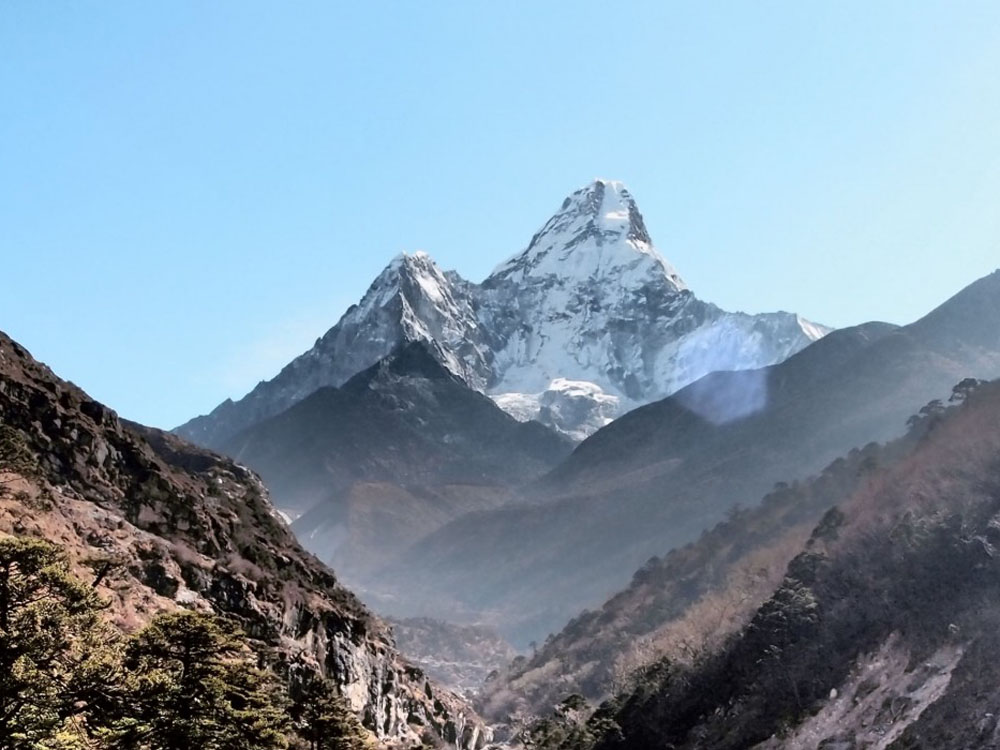
Expect well-trodden stone steps, rhododendron forests, terraced farmland, and short steep sections. Highest common viewpoint is Poon Hill at 3,210 m (10,530 ft), with village stops including Ghorepani and Ghandruk between 1,940–2,010 m.
Difficulty and pacing
Difficulty is moderate. Typical daily walking is 4–6 hours with 300–900 m of ascent/descent on steeper days. Basic cardiovascular fitness and comfortable hiking shoes are sufficient for most adults. Because the trek reaches alpine heights quickly, allow at least one slower day or gentler ascent to reduce altitude discomfort.
Permits and official guidance
Permits required for the Annapurna region include an Annapurna Conservation Area Permit (ACAP) and a Trekkers' Information Management System (TIMS) card. These are administered locally; the Annapurna Conservation Area Project manages conservation rules and local fees. For official visitor information, see the Nepal Department of Tourism guidance.
Sample 5-day itinerary and real-world scenario
Sample itinerary (typical start from Nayapul or Phedi):
- Day 1: Nayapul/Phedi to Ulleri — 4–5 hours
- Day 2: Ulleri to Ghorepani — 5–6 hours
- Day 3: Early sunrise at Poon Hill, then Ghorepani to Tadapani/Ghandruk — 5 hours
- Day 4: Ghandruk to Nayapul and drive to Pokhara — 4–5 hours
- Day 5: Buffer/relaxation day in Pokhara or extra acclimatization day
Real-world scenario: A first-time trekker with moderate fitness opts for a 6-day plan allowing an extra acclimatization day after Ghorepani. This reduces morning fatigue, improves enjoyment of the Poon Hill sunrise, and makes the descent to Ghandruk more comfortable—demonstrating how a minor itinerary adjustment can lower risk and enhance the experience.
TRAILSAFE checklist: a named planning framework
Use the TRAILSAFE checklist before departure to cover critical items and decisions:
- T — Timing: choose best season (see below)
- R — Route: confirm start/end points and permit requirements
- A — Accommodation: book teahouses for peak season if necessary
- I — Insurance & ID: trekking insurance with rescue/evac, ID copies
- L — Layering: clothes for variable mountain weather
- S — Supplies: water purification, snacks, basic first-aid
- A — Acclimatization: plan a rest day or slower ascent if needed
- F — Footwear: broken-in hiking boots and ankle support
- E — Emergency plan: agree pickup/evac points and local contacts
Best time, weather, and packing highlights
Best time to go
Peak seasons are spring (March–May) for rhododendron blooms and autumn (September–November) for clear mountain views. Winter is colder with fewer services, and monsoon (June–August) brings heavy rain and slippery trails.
Packing highlights (brief)
Layering is essential: breathable base layer, insulating mid-layer, windproof/waterproof shell, warm hat and gloves for early mornings at Poon Hill. Include a small daypack, water purification method, and a headlamp for early starts.
Practical tips for first-time trekkers
- Book at least the first and last teahouses in peak season; intermediate nights can be flexible.
- Start sunrise hikes very early—headlamp and warm layers are mandatory for Poon Hill mornings.
- Carry cash in small denominations; many teahouses accept only Nepali rupees and have limited change.
- Respect local customs: ask before photographing people and follow village etiquette on dress and behavior.
Common mistakes and trade-offs
Common mistakes
- Underestimating steep stone steps—train on stairs or hills beforehand to protect knees and reduce fatigue.
- Rushing the ascent—skipping acclimatization increases risk of altitude illness even at these moderate heights.
- Overpacking—extra weight makes the short, steep days unnecessarily hard; use porters if carrying heavy gear.
Trade-offs to consider
Choosing comfort versus speed: staying in better teahouses (where available) improves rest but may limit flexibility for early starts or alternate routes. Guided groups reduce planning stress and aid language barriers but add cost and reduce independent decision-making. Plan according to budget, fitness, and personal comfort with altitude risk.
Related terms, permits and conservation bodies
Related entities and terms to know: Annapurna Conservation Area Project (ACAP), TIMS card, Poon Hill, teahouse trek, Annapurna Circuit (nearby), elevation gain, acclimatization. These help with research and permit compliance.
Core cluster questions
- How difficult is the Ghorepani Ghandruk trek for beginners?
- What is the best time to do the Ghorepani Ghandruk trek?
- How long does the Ghorepani Ghandruk trek take from Nayapul?
- What permits are required for trekking in the Annapurna region?
- What should a first-time trekker pack for a teahouse trek in Nepal?
Quick decision checklist before booking
- Confirm available travel days and permit windows
- Assess personal fitness and allow at least one acclimatization buffer day
- Choose season based on priorities: views (autumn/spring) or solitude (off-season)
- Arrange insurance that covers helicopter evacuation and altitude-related incidents
Final takeaways
The Ghorepani Ghandruk trek is an efficient, rewarding introduction to Himalayan trekking. It balances manageable effort, reliable infrastructure, immersive culture, and iconic mountain scenery—ideal for first-time trekkers who want a genuine Himalayan experience without an extended expedition. Use the TRAILSAFE checklist, respect local conservation rules, and plan a conservative pace for the best experience.
FAQ: Is the Ghorepani Ghandruk trek suitable for beginners?
Yes. The Ghorepani Ghandruk trek is well-suited for beginners due to moderate daily distances, established teahouse accommodation, and accessible high points like Poon Hill. Prior conditioning and an allowance for acclimatization improve safety and enjoyment.
How long does the Ghorepani Ghandruk trek typically take?
Trek length typically ranges from 4 to 7 days depending on start point, pace, and whether an acclimatization or buffer day is added.
What permits are needed for the trek?
Permits include the Annapurna Conservation Area Permit (ACAP) and a TIMS card. Local authorities and trekking agencies can assist with processing; rules are managed by the Annapurna Conservation Area Project.
When is the best time for the Ghorepani Ghandruk trek difficulty and views?
Best visibility and comfortable weather are usually in autumn (Sept–Nov) and spring (Mar–May). Spring offers rhododendron blooms; autumn tends to have more stable clear skies for mountain views.
What are common gear mistakes first-time trekkers make?
Common mistakes include overpacking heavy luggage, bringing insufficient warm layers for early mornings, and not breaking in hiking boots. Follow the TRAILSAFE checklist to reduce these risks.