Why Skin Boosters in Riyadh Are Popular: Benefits, Costs, and What to Expect
-

- Published Updated
- 317 views
Detected intent: Informational
Skin boosters in Riyadh have become a frequent choice for people seeking improved hydration, smoother texture, and a natural glow without heavy filler work. This guide explains what skin boosters are, why they fit Riyadh's climate and lifestyle, how to evaluate clinics, and what realistic results and risks to expect.
- Skin boosters are minimally invasive injectable treatments that use hyaluronic acid or nutrient blends to hydrate and improve skin quality.
- They are popular in Riyadh for climate-driven hydration needs, cultural preferences for natural-looking results, and growing clinic availability.
- Choose a qualified dermatologist or licensed injector; expect modest, gradual improvements and a short recovery time.
Why skin boosters in Riyadh are popular
Riyadh's dry desert climate, frequent sun exposure, and social culture that values a polished complexion help explain the rise of skin boosters in Riyadh. Unlike traditional dermal fillers that sculpt volume, skin boosters focus on improving skin hydration, elasticity, and surface texture through multiple shallow injections of hyaluronic acid or biostimulatory agents. Results are subtle, build over a few weeks, and suit people seeking refreshed, natural-looking skin rather than dramatic changes.
What skin boosters are and how they work
Key concepts and ingredients
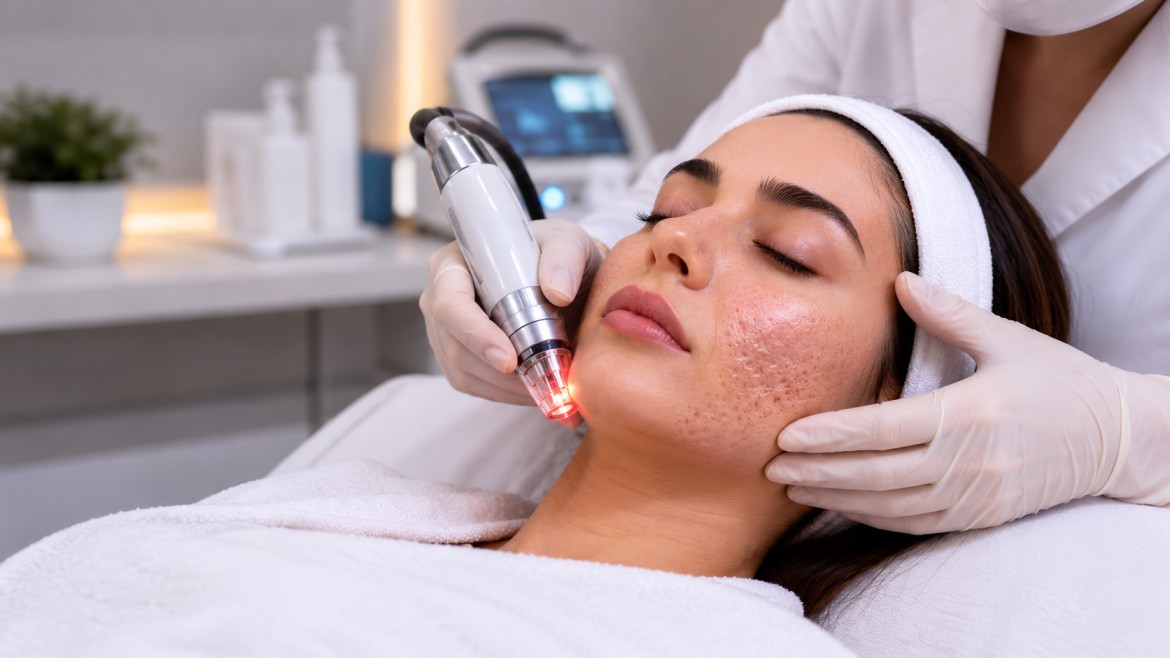
Skin boosters are typically microinjections of stabilized hyaluronic acid or nutrient cocktails (vitamins, peptides, or PRP — platelet-rich plasma). By delivering these materials into the dermis, skin boosters increase water retention, stimulate collagen remodeling, and improve skin texture. Terms to know: hyaluronic acid, mesotherapy treatments Riyadh (as an overlapping category), PRP, microinjections, and collagen induction.
Expected timeline
Initial improvement is often visible within a week as hydration increases. Collagen stimulation may continue for 6–12 weeks. Many clinics recommend a series of sessions spaced 2–4 weeks apart and maintenance treatments every 6–12 months.
Benefits that match Riyadh patient priorities
- Hydration: Counteracts dryness caused by low humidity and air conditioning.
- Natural results: Enhances skin quality rather than changing facial structure.
- Quick recovery: Most people return to normal activities the same day.
- Versatility: Can be used on face, neck, décolletage, and hands.
How to choose a clinic and provider
BOOSTER Checklist for safe, effective treatment
Use this named framework — the "BOOSTER Checklist" — when evaluating clinics:
- Board-certified dermatologist or licensed medical injector on staff.
- Open, documented consent and treatment plan with before/after photos.
- Options for product types and documented product provenance.
- Sterile technique and visible infection-control measures.
- Time for follow-up and clear maintenance recommendations.
- Evidence of training in injection technique and complication management.
- Reputation: verified reviews and professional affiliations.
Costs and clinic considerations
Prices vary by product, number of syringes, and clinic reputation. Expect a range from modest to premium; ask for a full cost breakdown, what product will be used, and whether the quoted price includes follow-up. Clinics in Riyadh often offer package pricing for initial series plus maintenance.
Safety, standards, and the role of professional guidance
Safety depends on product quality and injector skill. Adverse effects are usually minor (bruising, transient redness) but can include nodules or infection if standards lapse. For general best practices on injectables and safety, professional dermatology organizations provide guidance; see the American Academy of Dermatology for general safety information (AAD guidance). Always confirm that the clinic follows national health regulations and that providers have documented training in emergency management.
Common mistakes and trade-offs
Trade-offs to consider
- Subtle vs dramatic: Skin boosters offer natural improvement, not the structural change that dermal fillers provide.
- Cost vs maintenance: Lower up-front cost may mean more frequent maintenance; quality products can extend intervals between treatments.
- Time investment: Series of short sessions deliver better outcomes than a single session, which requires more visits.
Common mistakes
- Choosing purely on price without confirming provider credentials.
- Skipping a medical consultation or full-skin assessment before treatment.
- Failing to follow post-treatment care (sun protection, avoiding certain topical agents for 24–48 hours).
Practical tips for Riyadh residents
- Visit a board-certified dermatologist for the first consultation; get a written plan and expected timeline.
- Ask which product will be used and whether it is approved by recognized health authorities.
- Schedule treatments outside of major social events to allow for minor swelling or bruising to settle.
- Use daily sun protection and a gentle moisturizer to prolong results—environmental care matters as much as the injection.
- Maintain realistic expectations: plan for maintenance sessions to keep benefits consistent.
A short real-world example
Scenario: A 34-year-old professional in Riyadh wants to reduce facial dryness and early texture changes before a wedding season. After a dermatologist consultation, a plan is made for three skin booster sessions spaced three weeks apart using a hyaluronic acid-based product, combined with topical sun protection and a mild retinol after two weeks. The patient notices improved skin glow after the second session and schedules a maintenance appointment for six months later.
Related terms, entities, and synonyms
Related concepts include mesotherapy treatments Riyadh, hyaluronic acid skin boosters Riyadh, PRP (platelet-rich plasma), dermal fillers, collagen induction therapy, injectables, aesthetic clinics, and dermatology standards.
Core cluster questions
- How long do results from skin boosters typically last?
- What is the difference between skin boosters and dermal fillers?
- Which skin types benefit most from hyaluronic acid skin boosters?
- How many sessions are recommended for best outcomes?
- What post-treatment care improves longevity of booster results?
FAQ
Are skin boosters in Riyadh safe?
When performed by a qualified, licensed medical professional using approved products and sterile technique, skin boosters are generally safe. Minor side effects include redness, swelling, and bruising. Serious complications are uncommon but require prompt medical attention. Confirm provider credentials and clinic hygiene before treatment.
How many sessions will be needed to see results?
Most treatment plans recommend 2–3 sessions spaced 2–4 weeks apart, with maintenance every 6–12 months depending on the product and individual response.
Are results immediate?
Initial hydration may be noticeable within days, but full improvement from collagen stimulation typically develops over several weeks.
Can skin boosters treat sun damage and pigmentation?
Skin boosters primarily improve hydration and texture. They can contribute to a healthier-looking skin surface but are not a primary treatment for deep pigmentation or significant sun damage; combine with dermatologist-recommended topical or procedural options when needed.
How to compare mesotherapy treatments Riyadh to skin boosters?
Mesotherapy is a broader category that can include vitamins, enzymes, or plant extracts injected into the skin. Skin boosters are a specific, evidence-based subset that commonly use hyaluronic acid for hydration and collagen support. Product choice and clinical evidence should guide selection.