Caulking for Windows in Melbourne: What Every Homeowner Should Know in 2026
-

- Published Updated
- 1,837 views
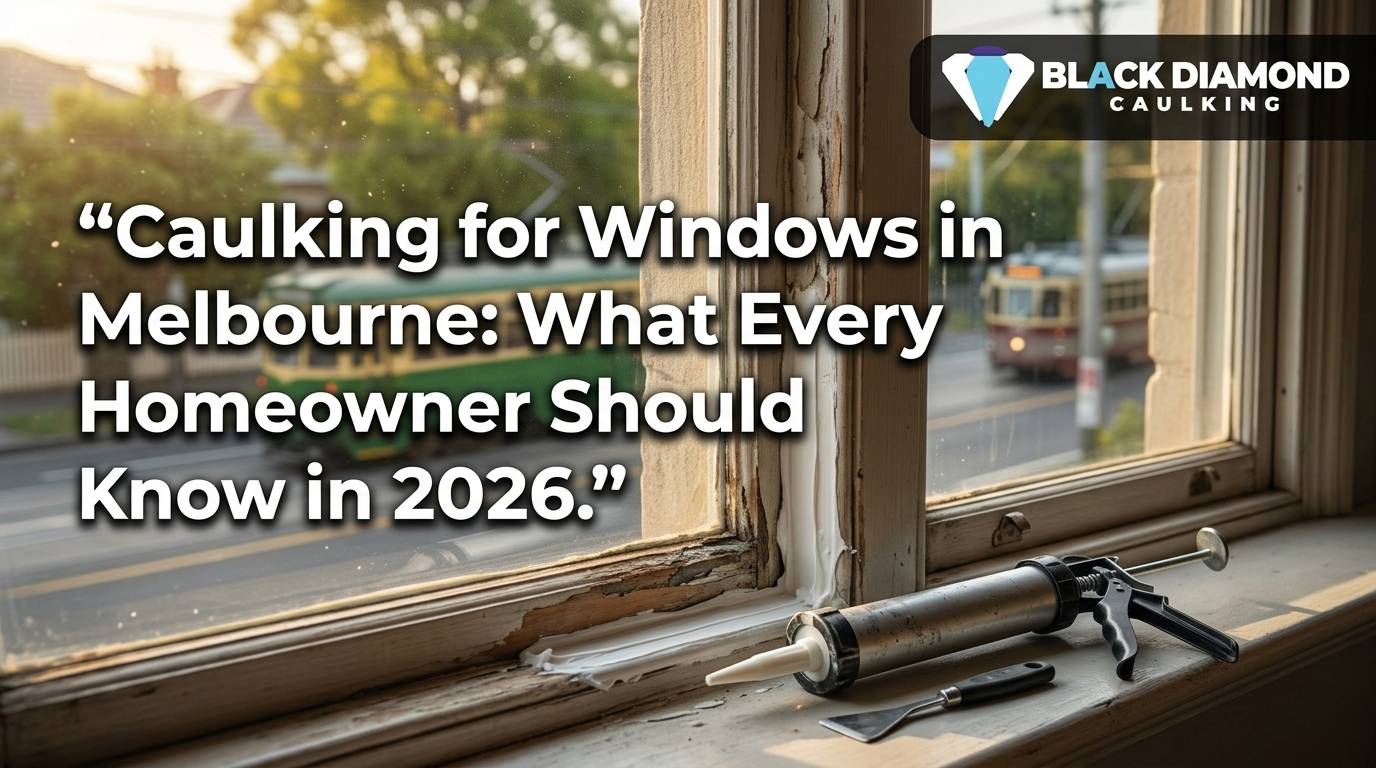
If you've noticed a draft near your windowsill, a musty smell after rain, or a jump in your winter power bill, the culprit is often something small: worn-out caulk. Caulking for windows is one of those jobs that rarely gets attention until it fails, yet it plays a real part in keeping Melbourne homes dry and quiet through every season.
This guide walks through why caulking for windows matters so much in our climate, the warning signs worth watching for, and what separates a rushed job from a lasting one. We'll also answer the questions we hear most often from window caulking Melbourne homeowners and end with a list of established local providers worth calling.
Why Caulking for Windows Matters in Melbourne
Melbourne's weather doesn't sit still. We get scorching January afternoons, sudden southerly changes, and weeks of steady winter rain, sometimes within the same month. Window frames expand and contract with those swings, and the caulk sealing the gap between frame and wall has to move with them. When it can't, small cracks open up, letting in draughts, dust, and moisture that leads to timber rot, bubbling paint, and mould around the sill. None of that is cheap to fix once it spreads past the surface, while a well-maintained seal costs very little and takes an afternoon to renew.
There's also an energy angle. Gaps around window frames are a common source of heat loss in older Melbourne homes, particularly weatherboard and brick veneer houses built before double glazing was standard. Sealing them won't replace insulation, but it eases some pressure off your heating and cooling bills.
Caulking a Window: What the Job Actually Involves
Caulking a window sounds simple, and the basic idea is straightforward: remove the old, cracked sealant, clean the joint, and lay a fresh, even bead of caulk along the gap. In practice, the result depends on a handful of details that are easy to get wrong.
The old caulk has to come out fully, not just be covered over, or the problem just reopens within a few months. The surface underneath needs to be dry and free of dust or grease, or the new bead won't bond properly. And the bead itself has to be laid at a consistent width and depth, tooled smooth, and given time to cure before the window meets rain again.
It rewards a steady hand and patience, which is why many homeowners call in a caulking specialist rather than spend a weekend redoing a job that peels again within a year.
Silicone Window Caulking vs Other Materials
Not every gap needs the same product. Silicone window caulking is the most common choice for window frames because it moves easily with temperature swings and resists moisture well, which matters given how much rain Melbourne sees across autumn and winter. It's a strong option for exterior joints, sills, and anywhere the seal will face direct weather.
Acrylic caulk is easier to paint over and suits small interior gaps with minimal movement, such as skirting boards. Polyurethane bonds strongly and handles heavy movement, making it a common pick for larger commercial joints.
For most residential window frames, though, a quality silicone product remains the standard, and a decent contractor will explain why they're recommending one type over another rather than using whatever happens to be on the van.
Exterior Window Caulking Repair: Signs You Shouldn't Ignore
A few warning signs tend to show up before a seal fails completely:
Visible cracking or gaps where the caulk meets the frame or wall
Caulk that has gone hard, brittle, or discoloured
A draught you can feel with your hand near a closed window
Water stains or soft, discoloured paint on the sill or frame below the window
A musty smell in the room after rain
Any one of these is worth booking an inspection for. Exterior window caulking repair is far cheaper than the water damage that follows a seal left to fail over a full wet season, and most jobs can be done in a single visit.
DIY or a Professional Window Caulking Service?
Small interior touch-ups, like a hairline gap around a bathroom window, are within reach for most confident DIYers with a caulking gun and a free Saturday. Larger jobs are a different story. Second-storey windows, older frames with layers of failed caulk, and anything involving ladders or scaffolding are better left to a window caulking service with the right gear and experience working at height.
A rushed DIY bead often looks fine on day one but cracks again within a year because the old caulk wasn't fully removed. A trained caulker knows how to prepare the surface, pick the right product, and tool the bead so it actually holds.
Commercial Window Caulking Has Its Own Rules
Offices, apartment blocks, and retail buildings deal with a different scale of problem. Commercial window caulking usually covers dozens or hundreds of joints across a façade, often at height, and frequently needs to meet fire-rating or building compliance requirements that a typical house job doesn't.
Getting this wrong isn't just a maintenance headache. Failed seals on a multi-storey building can lead to water ingress across several tenancies, and degraded fire-rated joints create a real compliance risk during inspection. Most property managers book a scheduled cycle for this reason, rather than waiting for a tenant to report a leak.
What to Look for in Window Caulking Companies
Melbourne has plenty of window caulking companies, and the quality gap between them is wider than most people expect. A few things worth checking before you book:
Public liability insurance, plus working-at-height certification for multi-storey jobs
Photos of past work on similar frame types
A clear answer on which caulk they use and why
A written quote before work starts
A workmanship guarantee on the finished job
If a company can't answer these plainly, it's worth calling another one.
Melbourne's Trusted Window Caulking Providers
For homeowners and property managers who'd rather book a specialist than tackle the job themselves, Black Diamond Caulking is a strong starting point for window caulking Melbourne wide. The team focuses only on caulking work, covering window frames, expansion joints, and fire-rated commercial sealing, and they'll walk you through material choice before any work begins. Reach out to Black Diamond Caulking for a quote on your next job.
Beyond Black Diamond, several other established providers serve the Melbourne market:
Black Diamond Caulking – specialist window and commercial caulking across metropolitan Melbourne
Bax Clean – glass and caulking services for residential strata and corporate buildings
Eastern Sealant Services – long-running window caulking specialists in Melbourne's east
LF Waterproofing – caulking and waterproofing across the western suburbs
Ash Caulker Pty Ltd – residential and commercial caulking with fast quote turnaround
Professional Caulking Group – window, balcony, and expansion joint sealing citywide
MB Caulking Services – bathroom, kitchen, and window silicone sealing
Correct Caulking – exterior sealing for homes across Melbourne, Geelong, and the Peninsula
NKA Caulking – new-build and multi-unit development caulking specialists
Get quotes from two or three before deciding, and use the checklist above to compare them properly rather than going with whoever answers the phone first.
Frequently Asked Questions
How often should window caulking be redone? Most exterior seals last five to ten years before they need replacing, though harsh sun exposure can shorten that.
Can I paint over silicone caulk? Standard silicone doesn't take paint well; ask for a paintable blend if that matters to you.
Can homeowners caulk their own windows? Small interior gaps are manageable yourself, but second-storey or heavily weathered frames are safer left to a professional.
What does professional caulking usually cost in Melbourne? Pricing depends on the number of windows and accessibility, so it's worth getting a written quote rather than guessing.
Does sealing a commercial building need a licensed contractor? For fire-rated joints and multi-storey work, yes, and you should ask for proof before booking.
What's the difference between caulking and sealant? The terms are often used interchangeably; "caulk" usually means paintable products with less give, while "sealant" leans toward stretchy formulas like silicone.
How do I know if a window repair was done properly? The bead should be smooth, consistent, and fully bonded with no gaps, and it shouldn't crack within the first few months.
Final Thoughts
Caulking for windows isn't glamorous, but it's one of the cheapest ways to protect a Melbourne home from water damage, draughts, and rising energy bills. Catching a failed seal early keeps the fix simple and the cost low.
If your windows show any of the warning signs above, don't wait for the next big rain event. Book an inspection, compare a couple of local specialists, and get your seals sorted before winter puts them to the test again.