Emergency Aid Specialties: Essential Solutions for Workplace Emergency Preparedness
-
- Published Updated
- 102 views
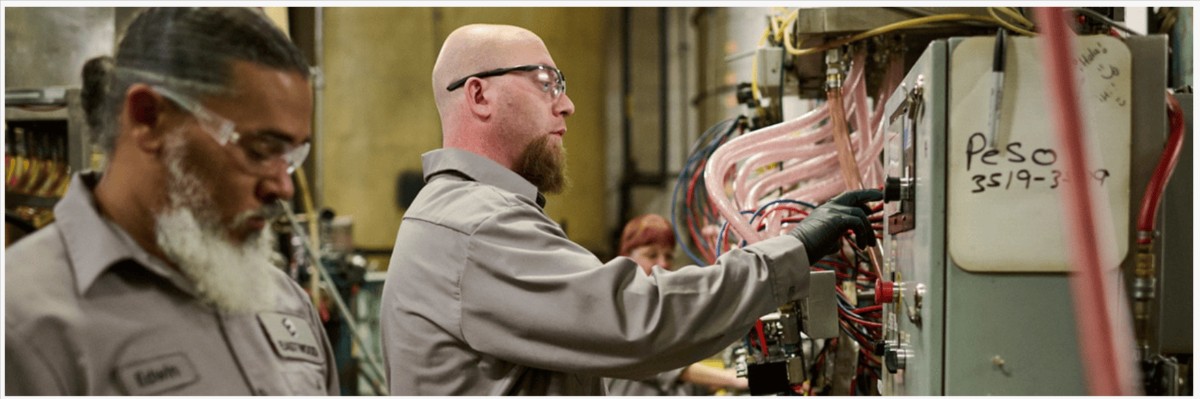
Workplace emergencies can be minor or major, requiring only first aid or immediate professional care. The right emergency aid specialties can help prepare a workplace to respond effectively. An emergency aid plan should consider different scenarios and the appropriate response to each, plus resources to support employees while professional help is summoned.
Emergency aid specialties can include first aid products, AEDs, emergency kits, and employee training.
An emergency aid plan should consider the different hazards and needs of a workplace, the equipment and supplies necessary to address them, and how these resources will be maintained and utilized.
Considerations for Emergency Aid Resources
Workplaces vary in hazards and requirements. An office building, manufacturing facility, warehouse, construction site, and commercial property, among others, can have significantly different needs. Before determining the emergency aid resources appropriate for a business, it may be helpful to evaluate potential workplace hazards and situations.
Considerations for Identifying Workplace Hazards
It is important to identify the types of injuries and emergencies that are most likely to occur.
This may involve a review of employee activities, equipment, chemicals, machinery, traffic patterns, and other workplace conditions. The information gathered can then be used to determine the emergency aid resources most suitable for the workplace, based on its unique hazards and requirements.
For example, workplaces that involve cutting equipment may have greater needs for first aid resources than a standard office setting. Environments that involve chemicals also require emergency eye washers or other resources.
Workplace size and employee count are other important considerations for emergency aid resources.
Large facilities require emergency equipment to be accessible throughout the space so that employees can quickly and easily reach them in case of an emergency. Businesses that operate multiple locations may also need plans in place for each building. Some workplaces also have employees that work remotely or travel to different sites, which may require additional emergency aid planning and resources.
Complete First Aid Resource Plan Covers Common Emergencies and Helps Employees Prepare
First aid resources can play an important role in emergency aid planning. They can enable employees to provide appropriate care for minor injuries and emergencies while additional help is summoned. A business should consider the first aid products that will be necessary, as well as how and where they will be maintained and accessed.
Considerations for First Aid Products
First Aid Supplies can offer a variety of emergency aid resources and products for different workplaces and needs. Depending on the hazards presented by a worksite, companies may need first aid kits and cabinets, wound care supplies, burn care supplies, emergency kits, trauma kits, or bleeding control products.
UniFirst First Aid + Safety offers a range of products to meet the needs of different organizations, including first aid kits and cabinets, emergency kits, burn kits, vehicle kits, bleeding control and trauma kits.
Considerations for First Aid Placement
Products such as first aid cabinets and kits must be placed in accessible locations where employees know where to find them in an emergency.
First aid cabinets and kits can be placed in accessible locations and labeled with signs to notify employees of their presence.
Another consideration is the placement of emergency aid resources in relation to different departments or areas within a facility. In some cases, employees may need to travel between departments or buildings to access first aid supplies. Additional first aid resources may be necessary in different departments or facilities, depending on their size and hazards.
Considerations for First Aid Maintenance
First aid maintenance is an ongoing requirement. First aid kits and cabinets, as well as other emergency aid supplies, must be examined regularly to ensure that the products are in good condition and that the contents are fully stocked.
Regular first aid services also play an important role in emergency aid planning. Routine inspection and restocking services can ensure that first aid supplies are available and that employees have access to appropriate products in an emergency. UniFirst First Aid + Safety offers onsite first aid services that can provide regular inspection and restocking of first aid kits and cabinets.
A first aid inspection and restocking service can reduce the need for employees to monitor first aid supplies and alert the business to low inventory or needed replacements.
Introducing AEDs in Emergency Aid Planning Requires Additional Preparation
Automated external defibrillators can be an important addition to an emergency aid plan, but there are a number of considerations that must be made before an AED can effectively support a business.
AEDs should be considered as part of a complete emergency aid resource plan. They can be a vital tool for employees to use in the event of a cardiac emergency and should be considered for appropriate placement, accessories, maintenance, inspection, and employee training.
Considerations for AEDs Placement
Companies must determine the best placement for an AED in the workplace. AEDs can be placed in accessible locations for employees while also being protected from environmental hazards. UniFirst First Aid + Safety offers a range of AED products and accessories and AED program management services to help organizations with AED placement and ongoing maintenance.
AED Accessories and Maintenance Should Be Included in Emergency Aid Planning
An AED must also have the appropriate accessories, including batteries and electrode pads, and should be maintained regularly to ensure that it operates correctly and is ready to use in an emergency.
AED program management services can play an important role in emergency aid planning by providing the appropriate AED accessories and maintenance services while also helping to track and manage the AED and its supplies.
AED Locations Must Be Known to Employees
Employees must be familiar with the location of an AED in case of an emergency. AED location and procedure information can be shared as part of a larger employee emergency aid resource training plan. Employees who know where an AED is located and how to use it can be better prepared to respond to and manage a cardiac emergency if one occurs.
CPR/AED/FA Training Can Prepare Employees to Respond in Emergencies
Employees who know emergency procedures and have received training can be an important part of an emergency aid plan.
Emergency aid resources such as AEDs, first aid products, and emergency kits can be most effective when combined with appropriate employee training and education. CPR/AED/FA training can prepare employees to provide the appropriate level of emergency care while professional services are summoned.
Considerations for CPR/AED/FA Training
CPR and AED training can provide employees with the knowledge and skills that they need to respond to a medical emergency. They can allow employees to learn appropriate emergency procedures and practice these procedures during training.
CPR and AED training can be combined with first aid training to provide a complete emergency aid training program for employees of all roles and departments.
First aid training can be an addition to the first aid products that a business maintains. Employees who receive first aid training will be more familiar with the products and procedures that a business utilizes and will be able to apply them in the case of an emergency.
Another consideration for CPR/AED/FA training is the type of training program that a business selects and how it will be implemented. Employees must receive complete training so that they are fully prepared to respond to an emergency, but these programs are also time consuming and cannot be conducted multiple times a year.
Employees may also change roles or leave the company, requiring additional training. It is important that a business considers these factors when planning CPR/AED/FA training.
Developing an Emergency Aid Resource Program Is an Ongoing Process
A business must take ongoing steps to maintain its emergency aid resources and plan for future needs. Equipment can be damaged and require replacement, emergency products can be used and need to be restocked, and employees can gain or lose the skills needed to manage an emergency.
There are a number of considerations that a business must make to ensure that its emergency aid resources continue to meet its needs, including regular inspection services, tracking of emergency products, and review and revision of the emergency aid plan as hazards or requirements change.
Considerations for Scheduling Regular Emergency Aid Services
Regular emergency aid services can be an important part of an emergency aid plan. Scheduling these services allows a business to keep track of product inventory and replace any items that are low or damaged.
Scheduling first aid services can be an effective way to manage first aid kits and cabinets, emergency eye care products, AEDs, emergency kits, and other emergency aid resources. Regular inspection services can also ensure that emergency equipment is operating correctly and is ready to be used in an emergency. UniFirst First Aid + Safety offers onsite first aid services that include first aid kit and cabinet inspection and restocking as well as AED and emergency eye washer inspection and maintenance.
Considerations for Tracking Emergency Aid Resources
A business can keep track of its emergency aid products by reviewing where they are located, when they were last inspected or serviced, and if they are currently operating effectively.
By using inventory and recordkeeping systems, an organization can ensure that it knows where its emergency products are located and what their current status is.
This can be especially important for businesses with multiple facilities. It can allow them to standardize emergency aid resources across all locations and ensure that each facility has the appropriate supplies.
Emergency Aid Planning Should Reflect Changes in the Workplace
A business must consider the potential changes that it undergoes when updating its emergency aid resources. New hazards, such as new equipment or materials, can arise as a result of renovations or changes in production. A company’s employee count can also change, affecting its requirements for emergency aid resources.
A business should schedule regular reviews of its emergency aid resources to ensure that they meet its current requirements and are appropriate for its employees and facilities. During these reviews, a business can assess its current first aid products, AEDs, emergency kits, and emergency eye care products and determine whether they are appropriate for the current needs of the workplace, including employee training. If requirements have changed, the business should update its emergency aid resources to reflect these changes.
Combining First Aid, AEDs, Emergency Eye Care Products, and Employee Training Can Help Develop a Complete Emergency Aid Plan
Emergency aid resources such as first aid products, emergency eye care products, AEDs, and emergency kits are typically not considered together, but developing an emergency aid plan that addresses all of these resources can be an important step in ensuring that a business is fully prepared for any emergency.
Each of these elements plays an important role in an emergency aid plan and should be considered when determining the products and training that a business requires.
First aid and emergency eye care products support employees who are experiencing a minor emergency, such as a burn, laceration, or eye injury. AEDs and CPR training, meanwhile, prepare employees for a cardiac emergency. Combining first aid and CPR/AED training allows a business to develop a complete emergency response plan.
Considerations for Combining First Aid, AEDs, and CPR/AED/FA Training
First aid products and CPR/AED training can be combined to develop a complete emergency aid plan. First aid resources provide the tools and materials that employees will need to respond to minor emergencies or injuries in the workplace, while CPR/AED training teaches employees how to respond to more serious emergencies. AEDs can be combined with CPR/AED training to provide an additional emergency response resource for employees.
A business that utilizes all of these emergency aid resources will be prepared to manage any emergency that arises in the workplace.
Considerations for Reaching Out to Emergency Aid Providers
Combining first aid, emergency eye care, and AED resources, along with CPR/AED/FA training, can be challenging for an organization to manage. Businesses must schedule regular first aid services and AED maintenance, manage inventory, and implement training programs. It can be difficult to dedicate the time and resources to manage all of these emergency aid requirements.
An organization can instead turn to emergency aid providers to manage some of these requirements. Emergency aid providers can offer first aid and AED servicing, as well as training programs. Businesses can utilize these providers to fulfill their emergency aid needs while also reducing the administrative burden of emergency aid planning and management.
Emergency aid planning can be complex and multifaceted, but an emergency aid provider can manage many of these requirements on behalf of a business. A specialist in first aid, AEDs, emergency eye care, and emergency kits can offer the products and ongoing services that a business requires, including regular first aid servicing, AED servicing, and CPR/AED/FA training. By utilizing these emergency aid services, a business can develop a complete emergency aid plan that reflects its unique requirements and ensures the safety of its employees.
Conclusion
Emergency aid specialties are an important consideration for any business. Understanding the different resources and requirements can allow an organization to develop a plan that fulfills its unique emergency needs. Emergency aid specialties can include first aid products, emergency eye care products, AEDs, emergency kits, and CPR/AED/FA training.
By reviewing and analyzing these emergency aid specialties, an organization can begin to develop a comprehensive emergency aid plan that reflects its requirements and utilizes these emergency aid resources to support employee health and safety.
FAQs
1. What are emergency aid specialties?
Emergency aid specialties refer to the different resources that can be utilized to improve emergency preparedness in the workplace. These can include first aid products, emergency eye care products, AEDs, emergency kits, and CPR/AED/FA training, among others.
2. What First Aid Supplies should a workplace maintain?
The appropriate first aid supplies will vary depending on the hazards of the workplace, but businesses may commonly require first aid kits and cabinets, as well as wound care, burn care, emergency, trauma, and bleeding control products.
3. Why should businesses provide CPR/AED/FA Training?
CPR/AED/FA Training can provide employees with the knowledge that they need to respond to a medical emergency in the workplace. CPR/AED training programs can be combined with first aid training to provide a complete emergency response program for employees.
4. How can businesses keep AEDs and first aid resources ready?
Businesses can schedule regular first aid and AED servicing to ensure that resources are ready and available in an emergency. First aid servicing can include first aid kit and cabinet restocking and AED servicing can include AED inspection and accessories replacement.
5. Can a business combine first aid, AED, and training services?
Yes. Businesses can utilize first aid, emergency eye care, and AED services to develop a complete emergency preparedness program.