
Yoga as a Tool for Personal Growth and Self-Discovery
-
- Published Updated
- 1,039 views
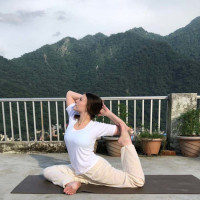
The Physical Yoga – There is more to yoga than the practice on the mat. In essence, yoga is a journey of self-discovery, awareness, and inner transformation. With mindful movement, breath work, and meditation, yoga is a powerful vehicle of self development and recognition in which practitioners gain knowledge into not just the body but also thoughts, feelings and the underlying nature.
In our modern culture of constant stimulation, and fast pace yoga provides a sacred pause to reconnect with ourselves and practice clarity, balance and purpose.
Understanding Personal Growth Through Yoga
Personal development is all about becoming more conscious of your habits, limitations, strengths and potentials. And yoga helps support that growth through cultivating the power of observation without judgment. As you practice regularly, you become more aware of how you respond to discomfort, challenge and stillness — on and off the mat.
We catch our breath in each posture, and it mirrors:
- Physical limitations and progress
- Emotional patterns and resistance
- Mental distractions and focus
With this awareness comes deliberate change.
Yoga Beyond the Physical Body
In Yoga Teacher Training, it is essential to recognize that yoga is not limited to asana practice. While physical postures prepare the body, the deeper purpose of yoga is self-observation and self-transformation.
Yoga works simultaneously on:
- The physical body (strength, flexibility, balance)
- The mental body (clarity, focus, emotional regulation)
- The subtle body (energy awareness and inner sensitivity)
This integrated approach makes yoga a powerful tool for personal growth.
The Path of Yoga and the Road to Self-Realization
Self-discovery is the journey of finding out who you really are and not what roles, labels or expectations have been placed upon you. Yoga assists this voyage, providing stillness of mind and seating for internal listening.
Practices such as posture, breath work and meditation lead the practitioner inward and provide deeper insight into one's self. Over the time, yoga dissolves conditioning and clarifies for us our values, intentions and direction in life.
Asana as Mechanics of Inner Life
Yoga Asanas are tools, and not just an exercise system. An asana is a practice of patience, resilience and presence. Difficult poses can bring frustration or fear, easy ones an opportunity for surrender and to soften.
On an asana level we learn how to:
- Stay present in discomfort
- Cultivate self-compassion
- Build discipline and consistency
These lessons also continue to rise up and translate into my everyday life.
Breathwork as a Doorway to Self-Regulation
Yogic breathing / Pranayama is essential for personal transformation. The breath serves as a bridge between the body and mind, allowing us to manage emotions and soothe the nervous system.
With regular breath awareness:
- Stress responses become more balanced
- Emotional clarity improves
- Mental focus deepens
This provides a firm base for self-discovery and interior growth.
Meditation and Self-Reflection
Meditating is an essential element of self-discovery in yoga. They become aware of patterns and tendencies of the mind when it is still. But meditation itself gradually builds internal silence, clarity and self-acceptance.
This sanctuary is where people can rediscover their true self and find greater meaning and fulfillment.
3. Pranayama and Emotional Awareness
Pranayama plays a key role in self-regulation and emotional balance. Conscious breathing influences the nervous system and helps students become aware of internal states.
Benefits of pranayama for self-growth include:
- Improved emotional stability
- Reduced stress reactivity
- Enhanced focus and presence
In YTT, trainees learn how breath awareness supports inner balance and mindful teaching.
Yoga Philosophy and Conscious Living
Universal Guidance for Self-awakening ~ Yoga philosophy proves to be timeless. Ethical living and personal integrity are promoted through principles such as ahimsa, satya and svadhyaya.
The application of these principles in daily living can lead to:
- Healthier relationships
- Emotional maturity
- Meaningful lifestyle choices
Yoga philosophy provides the ethical and psychological foundation for conscious living. Core concepts emphasized in YTT include:
-
Yamas – guiding behavior in relationships
-
Niyamas – cultivating inner discipline and self-study
-
Svadhyaya – reflection and self-inquiry
- Ishvara Pranidhana – surrender and trust
Yoga isn’t relegated to being a practice, but rather becomes a conscious way of living.
Yoga as a Means of Self Development
Practice Yoga Daily Practicing yoga regularly helps in the following ways:
- Enhances self-awareness and mindfulness
- Builds emotional resilience
- Encourages inner balance and self-discipline
- Supports mental clarity and focus
- Helps you to feel more connected with yourself
Key Benefits of Yoga for Personal Growth (YTT Summary)
- Develops mindfulness and self-awareness
- Builds emotional resilience
- Encourages ethical and conscious living
- Supports mental clarity and inner balance
- Deepens the teacher–student connection
Conclusion
Yoga is a lifelong journey of growth and self-discovery. In Yoga Teacher Training in India, understanding yoga as a transformational practice allows future teachers to embody its principles authentically. Through asana, pranayama, meditation, and philosophy, yoga becomes a pathway to self-knowledge, balance, and conscious living.
In the end, Yoga leads us towards a more real, balanced and conscious way of life.
