How to Choose the Right Yoga Teacher Training in Bali
-

- Published Updated
- 1,896 views
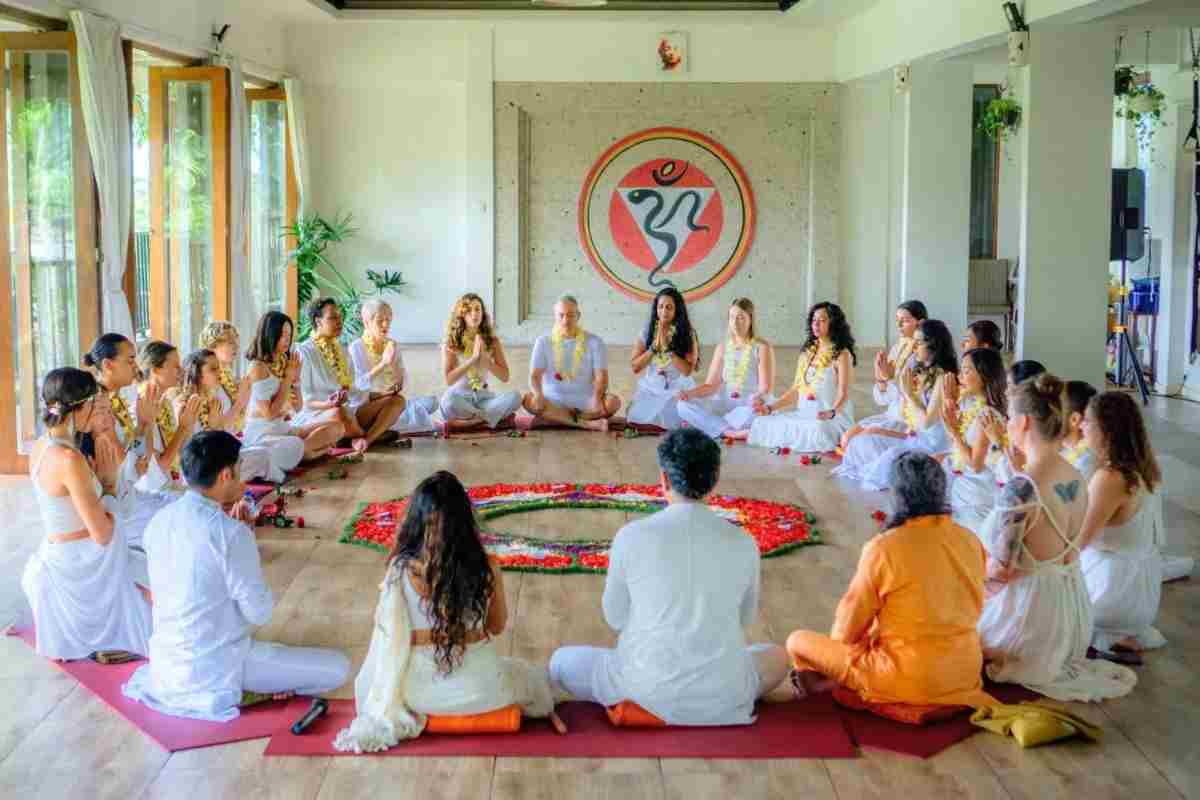
Choosing a yoga teacher training program in Bali can be an exciting but overwhelming decision. Bali is one of the world's most popular destinations for yoga, wellness, meditation, and personal development. With many schools and programs available, it is important to look beyond attractive locations and compare what each training program actually offers.
Why Choose Bali for Yoga Teacher Training?
Bali provides an environment where students can step away from their normal routines and focus on learning. The island's natural surroundings, cultural traditions, wellness community, and established yoga scene make it an attractive destination for people who want to deepen their practice.
For many students, a yoga teacher training course is not simply about learning how to demonstrate yoga postures. It can also involve meditation, breathing practices, yoga philosophy, anatomy, teaching methodology, and self-reflection.
Being away from everyday distractions can make it easier to establish a consistent daily routine. Students may spend their mornings practicing yoga and meditation, followed by classes covering theory and teaching skills.
Understand What the Course Includes
Before choosing a program, carefully examine the curriculum. A good yoga teacher training should provide more than physical yoga practice.
Important areas to look for include:
Hatha and Vinyasa yoga
Pranayama and breathwork
Meditation
Yoga philosophy
Anatomy and physiology
Teaching methodology
Alignment and modifications
Practical teaching experience
Sequencing and class planning
Opportunities for feedback
A balanced curriculum allows students to understand both the traditional foundations of yoga and the practical skills required to teach different types of students.
Consider Your Experience Level
You do not necessarily need years of yoga experience before joining a teacher training. However, different programs can have different expectations.
Beginners may prefer a program that starts with foundational concepts and gradually develops physical and teaching skills. Experienced practitioners may want a deeper exploration of philosophy, anatomy, meditation, advanced asana, and teaching methodology.
When comparing programs, check whether the course is designed for beginners, experienced practitioners, or both.
Look at the Teachers
The teachers can have a major influence on your experience. Before enrolling, research their backgrounds, teaching experience, areas of specialization, and approach to yoga.
A strong teaching team should be able to explain difficult concepts clearly and provide practical guidance during classes. It is also useful to look for programs where students receive opportunities to ask questions, practice teaching, and receive constructive feedback.
The relationship between teachers and students can be just as important as the curriculum itself. A supportive environment can help students become more comfortable with teaching and communicating.
Check the Certification
If your goal is to teach yoga professionally, certification is an important consideration.
Look at whether the school is registered with a recognized organization and understand what the certification allows you to do after graduation. Yoga Alliance registration is one factor many students consider when comparing international yoga teacher training programs.
However, certification should not be the only factor in your decision. A certificate is useful, but the quality of the education, practical teaching experience, teachers, curriculum, and learning environment are equally important.
Consider the Daily Schedule
Immersive yoga teacher training can be demanding. Students may spend several hours each day practicing, studying, attending lectures, and completing teaching assignments.
Before booking, review the daily schedule and consider whether it matches your expectations.
A well-structured day may include morning yoga practice, pranayama and meditation, philosophy or anatomy classes, practical teaching sessions, and independent study.
Understanding the schedule beforehand can help you prepare physically and mentally for the experience.
Accommodation and Food Matter Too
When you travel internationally for several weeks, accommodation and meals can significantly affect your experience.
Check whether accommodation is included in the program and what type of facilities are available. Also consider whether meals are provided and whether vegetarian, vegan, or other dietary requirements can be accommodated.
A comfortable environment can allow you to focus more attention on your studies rather than dealing with unnecessary logistical difficulties.
Look for Practical Teaching Experience
One of the biggest differences between simply practicing yoga and becoming a yoga teacher is learning how to guide other people.
A strong teacher training should give students opportunities to practice teaching before graduation. This may include preparing sequences, explaining postures, giving verbal instructions, observing classmates, and receiving feedback from instructors.
Practical experience can help students develop confidence and learn how to adapt their teaching to different abilities.
Think About What You Want After Training
Your reason for joining a yoga teacher training program should influence your choice.
Some people want to become professional yoga instructors. Others want to deepen their personal practice, understand yoga philosophy, develop greater self-awareness, or combine yoga with another wellness profession.
There is no single reason that makes teacher training worthwhile. The important thing is to choose a program that matches your personal goals.
Research Reviews and Student Experiences
Before making a final decision, read reviews from previous students. Reviews can provide useful information about teaching quality, accommodation, food, organization, atmosphere, and the overall experience.
Try to look at several sources rather than relying on a single testimonial. Consistent feedback across different platforms can give you a better understanding of what a school is actually like.
Final Thoughts
Choosing a yoga teacher training program in Bali is a significant investment of time, money, and personal energy. Instead of selecting a program only because of its location or price, compare the curriculum, teachers, certification, practical teaching opportunities, accommodation, schedule, and student experiences.
The right program should give you more than a certificate. It should help you develop a deeper understanding of yoga and give you the knowledge, confidence, and practical skills needed to continue your journey after returning home.
Whether your goal is to become a professional yoga teacher or simply deepen your personal practice, taking the time to research different programs can help you find a training experience that suits your needs and expectations.