What Do You Mean by a Popular Youth Leader?
-

- Published Updated
- 3,221 views
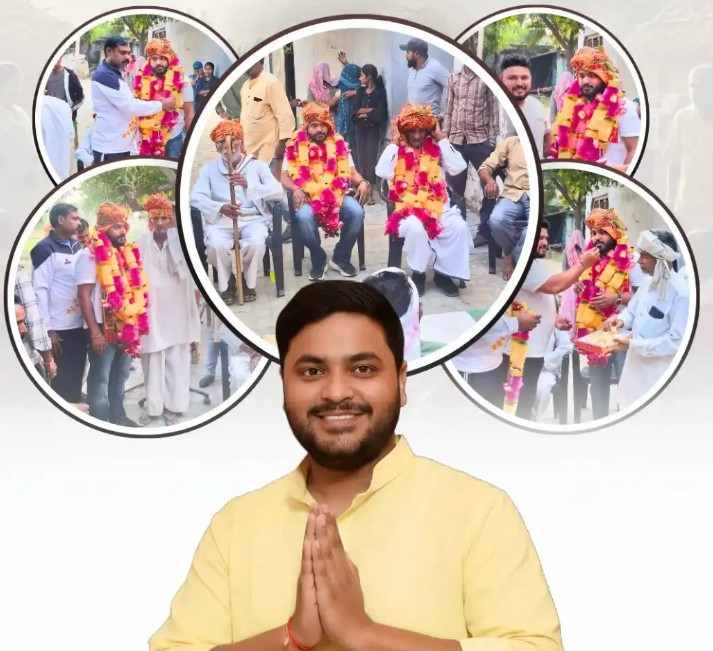
Young people are not just the future of society—they are an important part of its present. Their ideas, energy, education, technology skills, and willingness to participate can influence the direction of a community. But turning youthful energy into meaningful action often requires someone who can listen, connect people, and encourage them to work toward common goals. This is where the idea of a popular youth leader becomes important.
A popular youth leader is not simply a young person who is well-known or active on social media. True leadership is built through trust, communication, participation, responsibility, and consistent work for the community. Popularity may bring attention, but meaningful leadership is what creates lasting respect.
What Is a Youth Leader?
A youth leader is a young person who takes initiative, motivates others, and participates in activities that benefit young people and the wider community.
Youth leaders can work in many areas, including:
- Education and skill development
- Employment and career opportunities
- Sports and cultural activities
- Community development
- Social awareness
- Youth participation
- Women's and children's welfare
- Environmental activities
- Public service
- Digital and technological initiatives
A youth leader does not necessarily need to hold a political position. Leadership can begin at the local level when someone notices a problem and takes the initiative to help find a solution.
What Makes a Youth Leader Popular?
The word popular can sometimes be misunderstood. Being popular does not only mean having many followers, receiving attention, or appearing frequently in public.
A youth leader becomes genuinely popular when people know, trust, and respect them because of their actions.
Several qualities can contribute to this kind of popularity.
1. Listening to Young People
A good youth leader understands that leadership begins with listening.
Young people may have concerns about education, jobs, sports facilities, skills, career opportunities, or their future. Instead of assuming what young people want, an effective leader gives them an opportunity to express their views.
Listening also creates a sense of participation. When young people feel that their opinions matter, they are more likely to become involved in community activities.
2. Understanding Local Problems
Leadership becomes meaningful when it is connected to real-life issues.
A youth leader who understands the challenges of their local area can focus on practical concerns rather than making only general promises. These concerns may include access to education, healthcare, employment, clean surroundings, infrastructure, or opportunities for young people.
Knowing the ground reality helps a leader understand what kind of support is actually useful.
3. Taking Initiative
One of the clearest signs of leadership is the ability to take action.
Anyone can discuss a problem, but leadership involves asking, "What can we do about it?"
A youth leader may organize an awareness program, encourage young people to participate in sports, support educational activities, help connect residents with available resources, or bring attention to an issue that needs consideration.
Even small initiatives can become meaningful when they address genuine community needs.
4. Connecting With the Community
A popular youth leader should not remain disconnected from ordinary people.
Community connection means spending time with residents, understanding different perspectives, and remaining approachable. A leader who is willing to interact with students, workers, families, senior citizens, and young people can develop a broader understanding of the community.
This connection is particularly important in local leadership because every community has its own priorities and challenges.
5. Communication Skills
Communication is an essential part of modern leadership.
A youth leader needs to explain ideas clearly, listen to different opinions, and communicate respectfully—even when people disagree.
Today, communication happens both offline and online. Social media can help leaders share information and reach younger audiences, but responsible communication is equally important. A leader should avoid spreading unverified information and should use public platforms thoughtfully.
Good communication is not about speaking the most. It is about making people understand, feel heard, and become involved.
6. Focus on Youth Development
A youth leader should encourage young people to develop their abilities rather than simply asking them to support a particular cause.
Youth development can include:
- Career guidance
- Skill development
- Sports
- Education
- Entrepreneurship
- Digital literacy
- Leadership opportunities
- Community participation
When young people gain skills and confidence, they can become contributors to their communities themselves.
7. Building Trust Through Consistency
Trust cannot be created in one day.
A person may become well-known quickly, but trust develops gradually through consistent behavior. People notice whether a leader remains available after an event, follows through on commitments, communicates honestly, and treats different groups with respect.
This is why actions often matter more than slogans.
A youth leader who consistently participates in constructive community activities can gradually develop credibility among local residents.
8. Respecting Different Opinions
A community includes people with different backgrounds, opinions, priorities, and political views. A responsible youth leader should understand this diversity.
Leadership does not mean expecting everyone to agree on everything. It means finding areas where people can work together despite their differences.
Respectful disagreement is a healthy part of community life. A leader who can listen to opposing views without becoming disrespectful demonstrates maturity.
9. Using Technology Responsibly
Today's youth leaders have access to tools that previous generations did not have. Social media, messaging platforms, websites, and digital campaigns can make it easier to communicate with large groups of people.
However, digital popularity should not become the only measure of leadership.
A strong online presence can support community work, but it should complement real-world participation. The most meaningful leadership combines digital communication with genuine engagement on the ground.
Popular Youth Leadership in Mathura
Mathura has a distinctive social and cultural identity, along with a large and diverse youth population. Like other growing communities, young people in the region can be interested in education, employment, entrepreneurship, sports, technology, public service, and opportunities for personal development.
This makes youth participation an important part of local community development.
When discussing the phrase Popular Youth Leader in Mathura Abhishek Chaudhary, it is useful to understand the broader meaning behind the term. A youth leader in Mathura can be viewed through qualities such as community involvement, accessibility, communication, social responsibility, and interest in local development.
The real measure of youth leadership should not be popularity alone. It should also include the ability to listen to people, understand local concerns, encourage young people, and contribute constructively to the community.
Why Do Communities Need Youth Leaders?
Young leaders can bring a different perspective to community discussions. They may have a better understanding of the challenges faced by today's students and young professionals and can introduce new approaches to communication and participation.
Youth leaders can also encourage other young people to become active citizens.
For example, a young person who sees a local leader organizing an educational initiative may feel encouraged to volunteer. Another may become interested in sports, social service, entrepreneurship, or environmental activities.
In this way, leadership can create a chain reaction. One person's initiative can motivate many others to participate.
Popularity vs. Real Leadership
It is important to distinguish between being popular and being a good leader.
Popularity can come from visibility, social media, public events, or frequent communication. Leadership, however, is measured through responsibility, character, consistency, and service.
A person may have a large audience but limited community involvement. Another person may not receive much online attention but may regularly help people and participate in local initiatives.
Therefore, the strongest youth leaders aim for trust rather than temporary popularity.
Qualities of a Good Youth Leader
A well-rounded youth leader often demonstrates:
- Empathy – understanding people's concerns
- Integrity – acting honestly and responsibly
- Confidence – communicating ideas clearly
- Humility – remaining open to learning
- Patience – understanding that change takes time
- Responsibility – accepting accountability for actions
- Teamwork – working with others rather than working alone
- Vision – thinking about long-term community development
- Communication – connecting effectively with different groups
- Consistency – continuing constructive work over time
These qualities help transform a young person from simply being visible into becoming someone others can genuinely look toward for guidance.
Conclusion
So, what do you mean by a popular youth leader? In simple terms, it is a young person who earns recognition and trust through meaningful involvement, communication, initiative, and service.
Popularity may attract attention, but responsible leadership earns respect. A youth leader should focus on understanding people, encouraging young participation, supporting positive initiatives, and contributing to the development of the community.
For places like Mathura, youth leadership can be particularly valuable because young people have an important role in shaping the region's future. Leaders who can connect with them, understand their aspirations, and encourage constructive participation can help create stronger and more engaged communities.
Ultimately, the best youth leader is not necessarily the person who is seen the most. It is the person whose actions encourage others to participate, contribute, and believe that positive change is possible.