10 Essential Timeless Pieces Every Woman Needs in Her Closet
-

- March 18th, 2026
- 1,196 views

Get a free topical map and start building content authority today.
10 Essential Timeless Pieces Every Woman Needs in Her Closet
The phrase timeless wardrobe essentials describes a compact set of classic garments and accessories that make dressing easier, more versatile, and longer lasting. A focus on fit, neutral colors, quality fabrics and simple silhouettes helps create a capsule wardrobe that works across seasons and occasions, reducing decision fatigue and unnecessary purchases.
- Ten classic pieces form a flexible base: blazer, coat, LBD, shirt, jeans, trousers, sweater, versatile shoes, tailored skirt, and a quality bag.
- Prioritize fit, neutral colors, and durable fabrics for longevity.
- Care and proper storage extend garment life; check fiber labels and follow manufacturer guidance.
Timeless wardrobe essentials: why they matter
Timeless wardrobe essentials simplify daily dressing and support a sustainable approach to clothing by emphasizing garments that remain relevant beyond seasonal trends. Choosing well-constructed pieces and focusing on classic proportions—such as a tailored blazer or a plain white button-down shirt—helps achieve a cohesive look with fewer items. Academic work on consumer behavior and sustainability highlights the benefits of fewer, higher-quality purchases in reducing textile waste and cost over time.
The 10 timeless wardrobe essentials
1. Tailored blazer
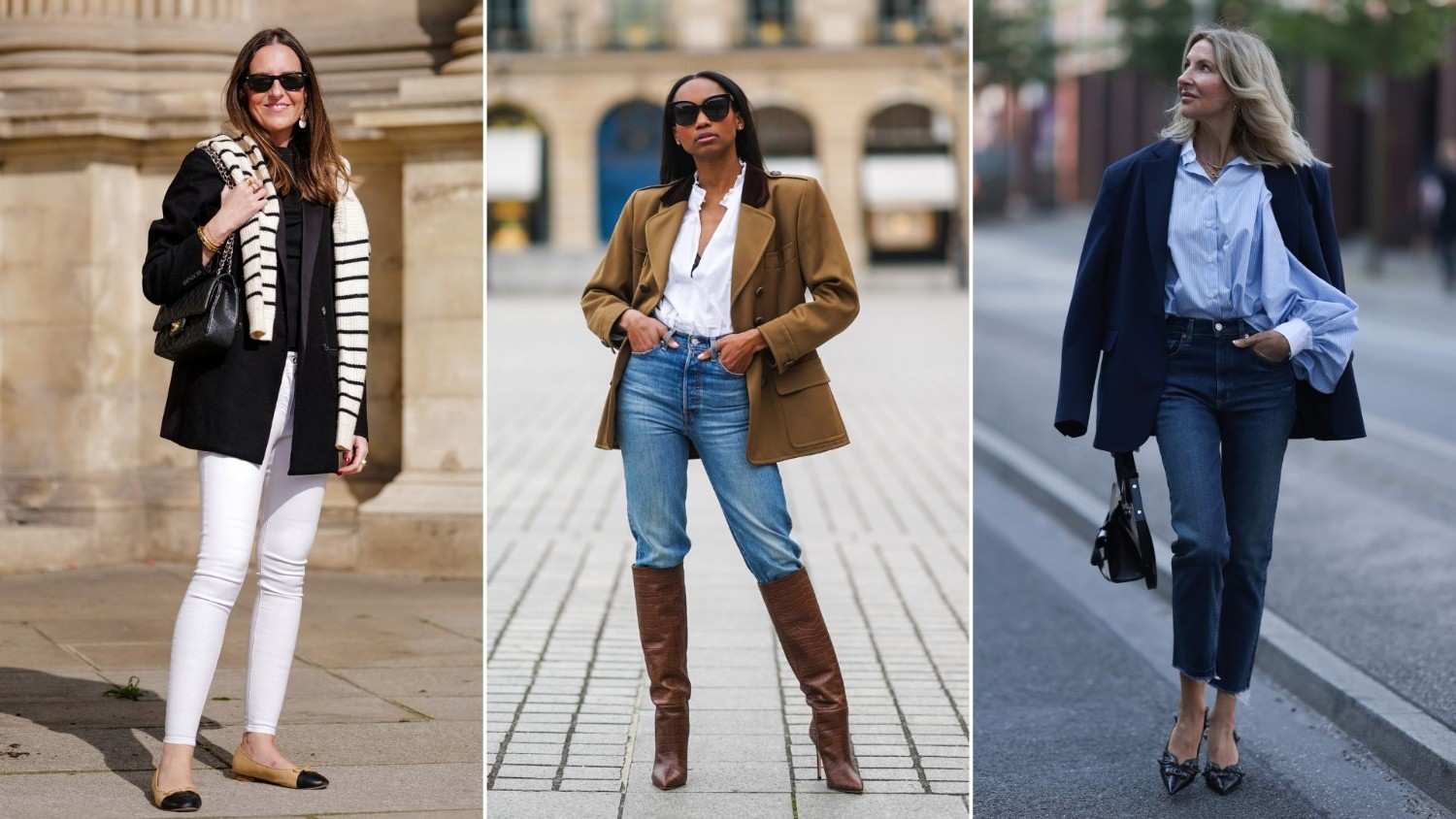
A neutral, well-fitted blazer elevates both casual and formal looks. Choose a single-breasted style in navy, black, or warm taupe with a structured shoulder and enough room to layer a thin sweater underneath.
2. Classic trench coat or neutral overcoat
A midweight trench or wool overcoat in beige, camel, or charcoal protects against the elements while maintaining a polished silhouette. Look for water-resistant finishes and clean lines for maximum versatility.
3. Little black dress (LBD)
A simple, knee-length black dress in a forgiving fabric works for many occasions. Prioritize comfortable movement and consider sleeve length and neckline that suit personal style and context.
4. Crisp white button-down shirt
A white shirt can be dressed up under a blazer or worn casually with denim. Opt for cotton or cotton-blend poplin for breathability and easy care.
5. Well-fitting denim jeans
A straight-leg or slim-straight pair in a dark wash is a foundation piece. Fit at the waist and hip is most important; alterations can refine the hem or waist for a tailored result.
6. Neutral trousers
Tailored trousers in black, navy, or beige provide a polished alternative to denim. Mid-rise styles in stretch-woven fabrics balance comfort and structure.
7. Quality knit sweater
A fine-gauge or medium-weight sweater in cashmere, merino, or cotton blends offers warmth without bulk. Neutral colors and simple necklines (crew, V, or turtleneck) extend wear options.
8. Versatile shoes
A pair of comfortable flats, low-heel pumps, or ankle boots in black or brown covers most needs. Choose classic toe shapes and replace soles when worn to extend life.
9. Tailored skirt
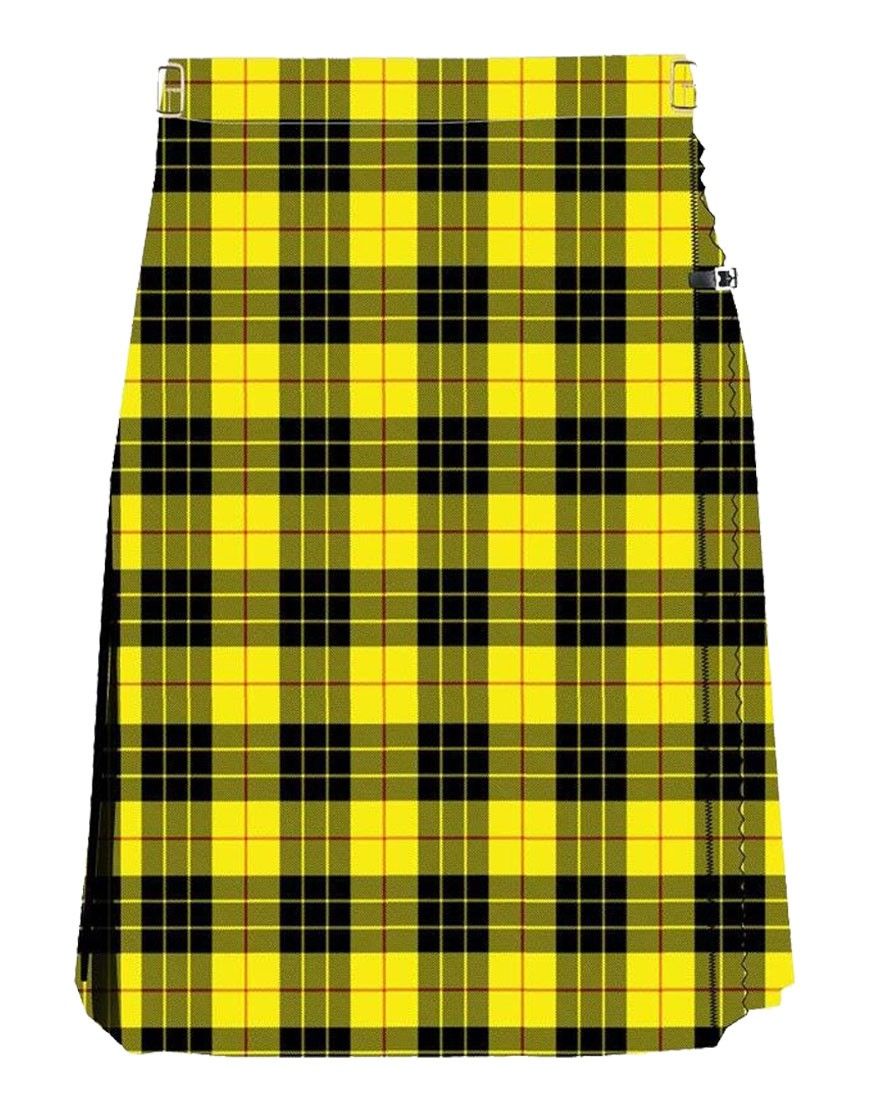
A pencil or A-line skirt in a neutral tone can be combined with blouses, sweaters, or blazers. Hem length should match personal comfort and dress codes.
10. Everyday bag
A medium-sized, structured bag in a neutral color carries daily essentials while maintaining a tidy appearance. Leather or high-quality alternatives with reinforced stitching last longer.
How to choose quality and fit
Focus on construction details such as even stitching, reinforced seams, quality linings, and hardware. Fabrics with natural fibers—cotton, wool, silk, linen—tend to age better; blends with small amounts of synthetics can improve durability and ease of care. For best fit, consider tailoring for hems, waist, and sleeve length; small alterations often deliver the biggest improvement in how garments look on the body.
Care, maintenance, and sustainable choices
Proper care extends garment life: follow fiber content and care instructions, use gentle cycles for delicate fabrics, and store seasonal items properly to avoid moth or moisture damage. For guidance on textile labeling and fiber content, consult official consumer resources to understand care symbols and material claims. The Federal Trade Commission offers information on textile labels, which can help when assessing care requirements and fiber composition.
Practical buying tips
- Build a neutral base before adding trend pieces.
- Try on multiple sizes and cuts; labels are not consistent across brands.
- Prioritize one or two investment pieces (coat, blazer) and fill the rest with mid-priced options.
- Check return policies and repair services; many retailers and local tailors extend the useful life of clothing.
FAQ
What are timeless wardrobe essentials for different body types?
Timeless wardrobe essentials adapt to different body types by prioritizing proper fit and proportion. For example, a tailored blazer with defined waist shaping flatters many figures; high-rise trousers can elongate the leg line; A-line skirts balance hips. Focus on silhouettes that provide comfort and confidence, and use tailoring to achieve the best fit.
How often should classic pieces be replaced?
Replacement depends on wear frequency and care. Shoes and frequently worn coats may need repair or replacement sooner; items maintained with proper care can last many seasons. Inspect seams, fabric pilling, and hardware to decide if repair or replacement is needed.
Can timeless wardrobe essentials be budget-friendly?
Yes. A balanced approach mixes a few higher-quality investment pieces with affordable basics. Prioritize fit and classic colors for the most visual impact per dollar.
How to store seasonal items to preserve them?
Clean garments before storage, use breathable containers or cotton garment bags, and add natural moth deterrents when appropriate. Store in a cool, dry place away from direct sunlight to avoid fading and fiber degradation.
Are neutral colors the only option for a timeless wardrobe?
Neutrals provide a flexible base, but accent colors and patterns can personalize a wardrobe. Limit bold pieces to a few items that coordinate with the neutral core to maintain cohesion.
Where to find more guidance on fashion sustainability?
Organizations such as academic fashion programs and environmental agencies publish research and consumer advice on sustainable textiles and garment longevity. Local textile recycling programs and community repair workshops also offer practical options for extending clothing life.