Starter Motor Buying Guide 2025: Trends, Repair Tips & Diagnostic Checklist
-
- March 17th, 2026
- 292 views

Get a free topical map and start building content authority today.
2025 Starter Motor Overview
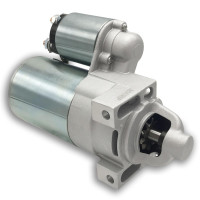
This starter motor buying guide explains current industry trends, practical repair tips, and how to choose the right unit for vehicles of different ages and use cases. The guidance below covers diagnostic steps, cost trade-offs, and a named checklist to make confident decisions when diagnosing or replacing starter motors.
- Primary focus: starter motor buying guide
- Secondary keywords: starter motor repair tips, starter motor troubleshooting, starter motor replacement cost
- Detected intent: Informational
- Core cluster questions included below for internal linking and deeper reading.
Industry trends affecting starters in 2025
Electrification and hybrid integration
Starter systems are evolving: mild-hybrid architectures and stop-start systems are increasing the complexity of starter designs. Expectations for integrated starter-generators (ISGs) and higher duty cycles mean durability and compatibility are top buying criteria.
Supply chain and parts standardization
Availability pressures from recent supply-chain shifts have increased interest in remanufactured units and clearer OEM part-number cross-references. When sourcing parts, verify quality standards and compatibility rather than relying on visual similarity alone.
starter motor buying guide: what to know before you buy
Key specs to compare
Compare mounting type, pinion gear size, electrical connector style, amp draw, and rotation direction. Confirm solenoid voltage and teeth count; inconsistent specs cause installation issues even when the housing appears identical.
Common purchase paths and trade-offs
Options include new OEM, aftermarket new, and remanufactured starters. Trade-offs include warranty length versus upfront cost, expected lifespan under heavy duty cycles, and lead time for delivery. Choose based on vehicle use: fleet heavy-duty users benefit from longer-warranty parts, while low-mileage owners may prioritize cost.
Diagnostic framework: STARTER Diagnostic Checklist
The STARTER framework organizes diagnosis into checklist form for consistent assessment.
- Symptoms — Note noise, slow cranking, or click/no-crank.
- Testing — Voltage at battery, voltage at starter, and bench testing.
- Age & condition — Corrosion, water damage, or burned windings.
- Reference parts — Confirm part numbers and teeth counts.
- Torque & mounting — Check bolt torque and alignment.
- Electrical paths — Inspect grounds, fusible links, and ignition switch.
- Replacement readiness — Verify tools, lifting, and safety before removal.
Repair tips and starter motor troubleshooting
Starter motor repair tips
Follow these starter motor repair tips to shorten diagnostic time and reduce rework:
- Measure battery resting voltage and load voltage; a weak battery often mimics starter failure.
- Check starter draw with an ammeter; excessive draw indicates internal shorting or mechanical binding.
- Clean and tighten ground straps and battery terminals before condemning the starter.
Common mistakes when diagnosing
Misdiagnosis often arises from skipping system checks: testing only the starter without verifying battery health, ignoring corroded ground connections, or failing to confirm mechanical freedom of the engine (e.g., stuck flywheel). These mistakes lead to unnecessary replacements and higher costs.
Practical tips for buying and installation
- Verify part compatibility by part number and teeth count, not just by vehicle model year.
- Insist on a clear warranty and documented core-return policy when selecting remanufactured units.
- Use a battery load tester as part of pre-replacement diagnostics to avoid replacing a starter when the real issue is the battery or charging system.
Trade-offs: cost, warranty, and lifespan
Lower-cost aftermarket starters reduce upfront expense but can have shorter lifespans under high-duty conditions. Remanufactured units offer a middle ground by reusing quality cores with replaced wear items. OEM units generally provide direct fit and longest warranty at higher cost. Consider vehicle age, usage intensity, and downtime cost to choose the best option.
Real-world example
Scenario: A 2010 compact sedan used for city driving reports slow cranking and dim headlights when starting. Following the STARTER checklist revealed a weak battery under load and corroded ground straps. After cleaning connections and replacing the battery, normal crank returned—avoiding an unnecessary starter replacement and saving the owner both time and cost.
Safety and best-practice references
Follow manufacturer torque specs and safety procedures during removal and installation. For general vehicle maintenance guidance and safety recommendations, consult official guidance from safety authorities such as the NHTSA vehicle maintenance guidance.
Core cluster questions
- How to diagnose a starter that clicks but doesn't crank?
- What affects starter motor replacement cost and warranties?
- How do stop-start systems change starter selection and maintenance?
- When is a remanufactured starter a safe, cost-effective option?
- What tests confirm starter motor electrical vs. mechanical failure?
Conclusion
Purchasing or repairing a starter motor in 2025 requires attention to compatibility, duty cycle, and electrical health. Use the STARTER Diagnostic Checklist for consistent assessments, prioritize correct specifications over visual matches, and validate repairs with basic electrical testing to avoid common mistakes.
FAQ
How to use this starter motor buying guide to choose the right unit?
Use the checklist to identify exact specifications, compare warranty and cost trade-offs, and confirm that part numbers and installation details match. Prioritize compatibility and expected duty cycle over the lowest price.
What are the most important starter motor repair tips to reduce misdiagnosis?
Always test the battery under load, inspect ground and power connections, measure starter current draw, and confirm mechanical freedom of the engine before replacing the starter.
How much does starter motor replacement cost and what affects it?
Cost varies by vehicle and part choice: new OEM units are typically highest, aftermarket new units lower, and remanufactured units sit in between. Labor, accessibility, and additional repairs (flywheel damage, wiring) also increase total cost.
What common mistakes lead to replacing a starter unnecessarily?
Skipping battery load testing, ignoring corroded grounds, and failing to check charging system voltage are common errors that result in unnecessary starter replacements.
How can maintenance extend a starter motor's lifespan?
Regular battery maintenance, clean electrical connections, avoiding frequent aggressive cold starts, and prompt repair of charging-system faults will reduce starter strain and extend service life.