Complete Guide to Laser Treatment for the Face: Types, Safety, and Results
-
- March 03rd, 2026
- 471 views
Laser treatment for the face is a powerful, widely used option to reduce wrinkles, treat acne scarring, correct pigmentation, and improve skin texture. This guide explains how facial lasers work, compares common technologies, outlines safety and recovery, and provides a practical LASER-CARE checklist for choosing and preparing for a procedure.
- Understand main laser categories: ablative (CO2, erbium), non-ablative (fractional), and light-based IPL/picosecond devices.
- Match downtime and goals: ablative = stronger results, more downtime; non-ablative = gentler, multiple sessions.
- Follow a checklist (LASER-CARE) to evaluate providers, consent, and aftercare.
Detected intent: Informational
laser treatment for the face: how it works
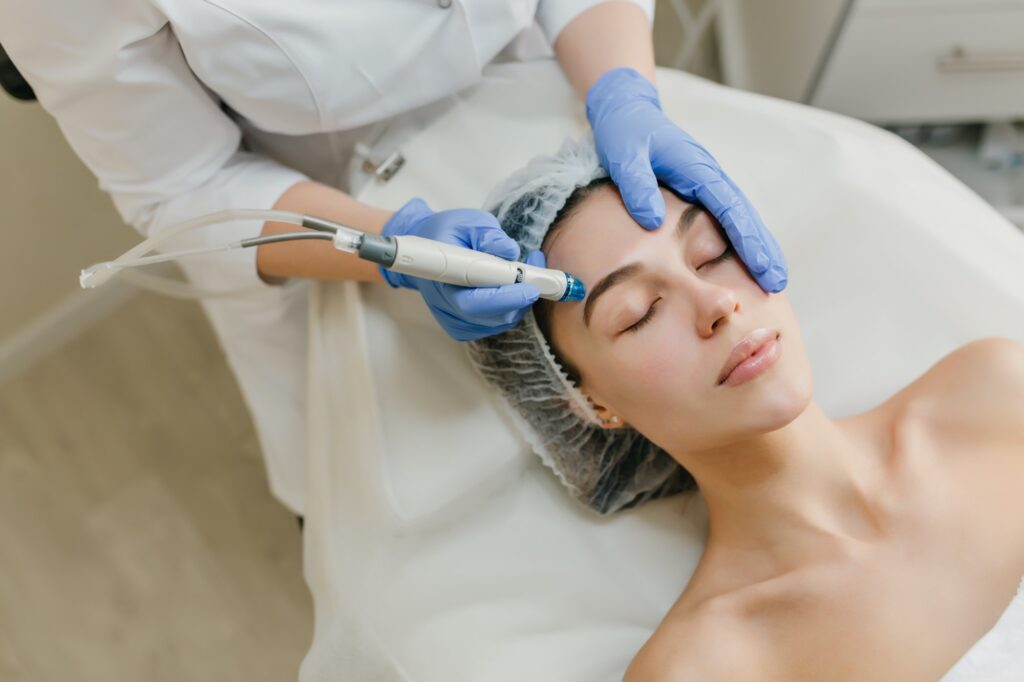
Facial lasers deliver focused light energy to the skin. Energy absorption by water or pigment triggers controlled injury, which stimulates collagen production and skin remodeling. Devices vary by wavelength, pulse duration, and target (water, melanin, hemoglobin). Regulatory bodies including the U.S. Food and Drug Administration (FDA) clear specific devices for indicated uses; professional guidance from major dermatology organizations helps set best practices.
Types of facial laser therapy and when to choose each
Ablative lasers (CO2, erbium)
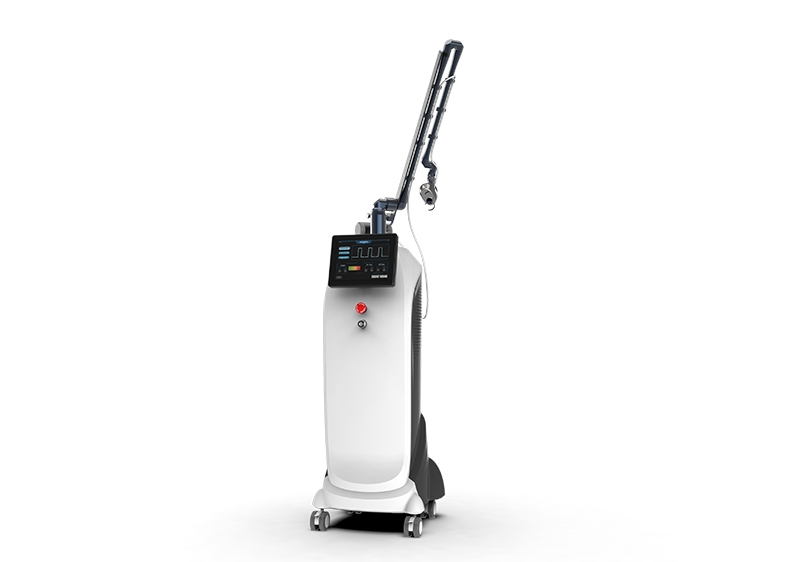
Ablative lasers remove the outer skin layers and cause significant thermal injury. Best for deep wrinkles, surgical scars, and severe sun damage. Expect marked improvement after a single session but with longer recovery: redness, swelling, and several days to weeks of re-epithelialization.
Non-ablative and fractional lasers
Non-ablative and fractional devices create micro-injuries while leaving surrounding skin intact. They stimulate collagen with less downtime and often require multiple sessions. Fractional CO2 and non-ablative fractional lasers aim for a balance between effectiveness and recovery.
Intense pulsed light (IPL) and picosecond/lifestyle devices
IPL targets pigment and small vessels, useful for redness and sunspots but not true ablative resurfacing. Picosecond lasers deliver ultra-short pulses for tattoo and pigment removal and have growing use in stubborn pigmentation and textural issues.
Choosing the right treatment: goals, skin type, and risk
Key variables include Fitzpatrick skin type, the specific concern (texture, pigment, redness, scars), desired downtime, and tolerance for risk. Darker skin tones require specialist experience to minimize post-inflammatory hyperpigmentation. A consult should include photographic assessment, discussion of alternatives, and clear consent about realistic outcomes.
LASER-CARE checklist
Use this named checklist before proceeding with any facial laser procedure:
- Learn: Research device categories and FDA-cleared indications.
- Assess: Confirm skin type, medical history, medications (e.g., isotretinoin), and active infections.
- Select: Choose a provider with board certification and device experience for the indication.
- Explain: Obtain written consent that details downtime, risks, and realistic expectations.
- Recover: Understand the expected recovery timeline and obtain aftercare instructions.
- -
- Cover: Plan sun protection and discuss pigment risk mitigation.
- Avoid: Stop contraindicated medications and procedures as advised.
- Review: Schedule follow-up to monitor healing and outcomes.
- Educate: Get written pre- and post-care steps and emergency contacts.
Real-world example
Scenario: A 35-year-old with rolling acne scars and moderate erythema chooses three sessions of non-ablative fractional laser spaced six weeks apart. The provider confirms no recent isotretinoin use, performs test spots, and prescribes a simple aftercare plan: gentle cleansing, petrolatum for two days, then broad-spectrum sunscreen. Noticeable textural improvement appears after two sessions, with minimal downtime (1–3 days of redness) and no pigment complications due to proper skin-type precautions.
Preparing, recovery, and aftercare
Pre-treatment steps often include stopping retinoids and certain photosensitizing agents and treating active infections. Aftercare focuses on moisture, barrier protection, and sun avoidance. Typical timelines:
- Quick procedures (IPL, gentle non-ablative): minimal downtime, light redness for 24–72 hours.
- Fractional non-ablative: moderate redness and swelling 2–5 days; multiple sessions recommended.
- Ablative resurfacing: substantial healing over 7–21 days; prolonged redness may take months to fully fade.
For evidence-based practice and safety guidance, consult professional resources such as the American Academy of Dermatology for pre- and post-procedure recommendations: American Academy of Dermatology laser treatment guidance.
Practical tips for safer, better results
- Choose a board-certified dermatologist or plastic surgeon with specific laser experience for facial resurfacing.
- Ask for before-and-after photos of similar skin types and the exact device used.
- Plan procedures in seasons with lower UV exposure and have sunscreen and physical barriers available.
- Follow post-care instructions precisely: gentle cleansing, no picking, and early follow-up if unusual pain, pus, or spreading redness occurs.
Common mistakes and trade-offs
Common mistakes
- Undervaluing downtime: selecting ablative resurfacing without scheduling adequate recovery.
- Ignoring skin type: using aggressive parameters on darker skin without pigment mitigation increases hyperpigmentation risk.
- Skipping test spots: small-area tests reduce unexpected adverse effects.
Trade-offs to consider
Stronger energy and ablative approaches deliver more dramatic correction but increase complication risk and recovery time. Non-ablative and light-based therapies are safer for shorter downtime but require multiple sessions and produce incremental results. Cost, tolerance for redness, and urgency of outcomes must guide the choice.
Core cluster questions
- How long does recovery take after different types of facial lasers?
- Which lasers are safest for melasma and hyperpigmentation?
- How many sessions of fractional laser are typically needed for acne scars?
- What pre-treatment medications or supplements should be stopped before laser therapy?
- How does laser resurfacing compare with chemical peels for texture and pigment?
FAQs
Is laser treatment for the face safe?
When performed by a trained, credentialed provider with appropriate device selection and settings, facial laser treatments are generally safe. Risks include redness, swelling, infection, scarring, and pigment changes. Safety is improved through correct patient selection, pre-treatment testing, and adherence to aftercare protocols.
Which facial laser is best for acne scars?
Fractional CO2 and non-ablative fractional lasers are commonly used; CO2 fractional tends to provide stronger remodeling for deep scarring but requires more downtime. Choice depends on scar depth, skin type, and patient tolerance for recovery.
How many sessions are needed for noticeable results?
Non-ablative fractional treatments often need 3–6 sessions spaced 4–8 weeks apart. Ablative resurfacing typically shows significant improvement after a single session, though mild touch-ups might be recommended later.
What are realistic expectations for pigmentation issues?
Pigmentation can improve but may require targeted approaches (Q-switched or picosecond lasers, topical agents) and careful sun protection. Darker skin tones have a higher risk of post-inflammatory hyperpigmentation, so conservative settings and staged treatment are prudent.
How much does a facial laser treatment cost?
Costs vary widely by device, provider, geographic market, and extent of treatment. Expect a range from a few hundred dollars for a light IPL session to several thousand dollars for full-face ablative resurfacing. Insurance rarely covers cosmetic procedures unless medically necessary.
This guide summarizes practical, conservative steps to evaluate facial laser options. Use the LASER-CARE checklist, consult qualified professionals, and plan around realistic recovery and sun protection to support safe outcomes.