Fashionable Window Treatments: A Practical Guide to Boost Style and Home Value
-
- March 03rd, 2026
- 199 views
Introduction
Choosing the right fashionable window treatments transforms rooms, improves privacy and light control, and can increase a home's perceived and real value. This guide explains design choices, energy considerations, and installation decisions that deliver style and practical benefits—without unnecessary jargon.
Window treatments—from blinds and shades to drapery and shutters—affect aesthetics, daylight, privacy, and energy performance. Use the SLPE checklist (Style, Light, Privacy, Energy) to choose options that fit each room. Consider cost, maintenance, and resale impact before buying.
Detected intent: Informational
Why fashionable window treatments matter
Window coverings set the room’s tone and contribute to comfort. Beyond appearance, they control glare, improve thermal performance, and protect furnishings from UV damage. For sellers and long-term homeowners alike, thoughtfully selected window treatments can raise a home's marketability by signaling care and updated finishes.
Types of window coverings and where they work
Blinds (horizontal and vertical)
Blinds offer precise light control and a clean aesthetic. Materials include aluminum, faux wood, and real wood. Use blinds in kitchens, bathrooms (moisture-resistant models), and modern living spaces.
Shades (roller, Roman, cellular)
Shades provide a softer look. Cellular (honeycomb) shades add insulation and are a common energy-efficient option—useful for large windows and bedrooms. Roller shades are streamlined for contemporary interiors; Roman shades introduce texture and warmth.
Drapery and panels
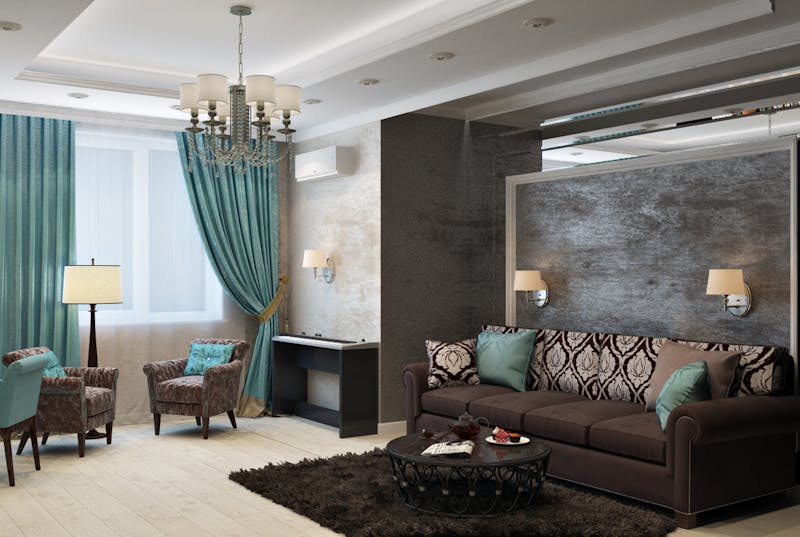
Floor-to-ceiling drapery amplifies height and luxury. Layered curtains with a blackout liner deliver both style and functionality for bedrooms and media rooms.
Shutters and fixed treatments
Plantation shutters are durable, offer strong resale appeal, and give a classic look. They are higher in upfront cost but often perceived as a semi-permanent home upgrade.
SLPE checklist: A simple framework for selection
Apply the SLPE checklist to every window: Style, Light, Privacy, Energy. This named framework helps prioritize needs, balance trade-offs, and document choices for installers or staging.
- Style — Match material, color, and scale to room architecture and furnishings.
- Light — Decide how much natural light is desirable during daytime hours.
- Privacy — Select opaque, semi-opaque, or layered solutions for privacy levels.
- Energy — Choose insulating options (cellular shades, heavy drapery) for comfort and lower heating/cooling costs.
- Extras — Consider motorization, child-safety features, and hardware finishes.
Energy and performance: What to know
Energy-efficient options like cellular shades and layered drapery reduce heat transfer and can cut heating/cooling loads. For guidance on window and window-covering efficiency and best practices, consult reputable industry resources such as ENERGY STAR to compare product claims and learn about recommended performance measures. ENERGY STAR
Practical selection process (step-by-step)
- Measure accurately—use a metal tape and record width/height for inside- and outside-mounted options.
- Apply the SLPE checklist to each window to identify primary requirements (privacy vs. light vs. insulation).
- Choose a material and color palette that complements the room’s finishes; pick hardware finishes that match other fixtures.
- Decide on operation: manual, cordless (safer for children), or motorized.
- Request fabric samples or shop mock-ups, and verify return/exchange policies before purchase.
Real-world example: Living room refresh that adds perceived value
A mid-century living room with faded curtains was updated by replacing old drapery with floor-to-ceiling linen panels and installing cellular shades for insulation. The linen panels increased perceived height and warmth; the cellular shades improved thermal comfort. During an open house, potential buyers commented on the room’s brightness and modern finishes, and the listing photos reflected stronger staging—an inexpensive change that supported a higher offer.
Trade-offs and common mistakes
Common mistakes
- Buying without measuring—returns and poor fit are common when measurements are estimated.
- Choosing style over function—selecting sheer panels where blackout was needed for a bedroom.
- Ignorning operation and safety—corded blinds can be unsafe in homes with young children.
Typical trade-offs
Higher-end materials (real wood, handcrafted drapery) provide lasting appeal but cost more up front. Energy-efficient treatments lower operating costs but may have a higher initial price. Motorized options add convenience and resale appeal but complicate installation and service. Decide which factors (durability, upfront cost, energy savings, maintenance) are most important for each room.
Practical tips for choosing and installing treatments
- Use sample swatches in the room under natural light before committing to a fabric or color.
- Mount curtain rods higher and wider than the window frame to create a larger, more elegant appearance.
- Consider layered solutions—sheer + blackout or shade + drapery—to combine light control and style.
- Prioritize cordless or motorized options where safety and convenience matter most.
Core cluster questions (content ideas for related pages)
- What are the best window treatment ideas for living rooms?
- How do window treatments affect home energy efficiency?
- What materials last longest for window coverings?
- How to measure windows for inside-mounted vs outside-mounted treatments?
- Which window treatments are safest for homes with children and pets?
Budgeting and resale considerations
Decide whether investments should be permanent (shutters) or replaceable (fabric drapery). For resale, neutral palettes and well-maintained hardware appeal to broader buyer pools. Document upgrades and keep receipts for energy-efficient products—these details support listing descriptions and buyer confidence.
Installation and maintenance checklist
- Confirm mounting surface and use appropriate anchors.
- Follow manufacturer care guidelines for cleaning—vacuum/spot-wash as recommended.
- Test operation and child-safety features before finalizing installation.
Conclusion
Fashionable window treatments combine aesthetics and function. Use the SLPE checklist, measure carefully, and balance trade-offs between cost, energy performance, and longevity to make choices that improve daily comfort and the home's market appeal.
Frequently asked questions
How do fashionable window treatments increase home value?
Well-chosen window treatments improve staging, signal thoughtful updates, and can provide energy benefits that appeal to buyers. Neutral, high-quality finishes and functional improvements (blackout in bedrooms, insulating shades) are especially effective.
What are energy-efficient window treatments?
Energy-efficient treatments include cellular (honeycomb) shades, insulated drapery, and properly fitted shutters. These reduce heat transfer and lower heating/cooling demand when correctly installed.
Can window treatments block UV and fading?
Many fabrics and coatings block UV rays; consider UV-protective liners or low-iron glazing combined with coverings to protect furniture and flooring.
Are motorized or cordless treatments worth the extra cost?
Motorized and cordless options increase convenience and safety, and may add resale appeal. Evaluate whether the added cost aligns with long-term living preferences and property goals.