Addressing the Anxiety Epidemic: Causes, Trends, and Practical Strategies
-

- February 23rd, 2026
- 1,698 views
The term anxiety epidemic is increasingly used to describe rising rates of anxiety symptoms and disorders observed in many countries over recent decades. This article summarizes what research and public health authorities report about the scope of the problem, common contributing factors, how anxiety presents across populations, and practical approaches for managing contemporary difficulties related to anxiety.
- Prevalence of anxiety symptoms and diagnosed anxiety disorders has increased in many regions, influenced by social, economic, and environmental changes.
- Contributors include stress, social isolation, economic uncertainty, digital media exposure, and biological vulnerability.
- Evidence-based management includes psychological therapies (such as cognitive behavioral therapy), lifestyle strategies, and access to professional care when needed.
- Public health responses focus on prevention, early identification, reducing stigma, and expanding access to services.
Understanding the anxiety epidemic: scope and causes
Multiple population surveys and clinical reports indicate increased prevalence of anxiety symptoms and disorders in adolescents and adults in recent years. Official health organizations and peer-reviewed studies point to a combination of individual, social, and structural factors rather than a single cause. Measurement changes, increased awareness and help-seeking, and genuine rises related to social and economic stressors all contribute to observed trends.
How prevalence is measured
Prevalence estimates come from household surveys, health records, and screening tools. Changes in diagnostic criteria, survey methods, and public awareness affect comparisons over time. National and international public health agencies monitor trends and issue guidance on interpreting data.
Common contributing factors
- Social stressors: job insecurity, housing instability, debt, and caregiving burdens.
- Digital life and social media: increased screen time, exposure to distressing content, and comparative social dynamics.
- Isolation and reduced community ties: fewer social supports and less face-to-face interaction for some groups.
- Global events: pandemics, climate-related concerns, economic downturns, and geopolitical instability.
- Biological and developmental factors: genetics, early-life adversity, and neurobiological vulnerability.
How anxiety commonly presents and who is affected
Typical presentations
Anxiety can present as persistent worry, restlessness, difficulty concentrating, sleep disturbance, physical symptoms such as muscle tension, or avoidance of situations. Severity ranges from transient stress reactions to persistent disorders that impair daily functioning.
Population patterns
Rates of anxiety symptoms are often higher among adolescents and young adults in recent surveys, though older adults and children are also affected. Socioeconomic disparities, gender differences, and co-occurring conditions (for example, depression or substance use) influence distribution and outcomes.
Evidence-based approaches to managing anxiety
Self-care and lifestyle strategies
- Regular sleep, balanced nutrition, and physical activity support emotional regulation.
- Mindfulness, relaxation techniques, and structured breathing can reduce acute symptoms.
- Reducing excessive news and social media exposure, and setting boundaries around digital use, can lower distress.
Psychological and clinical treatments
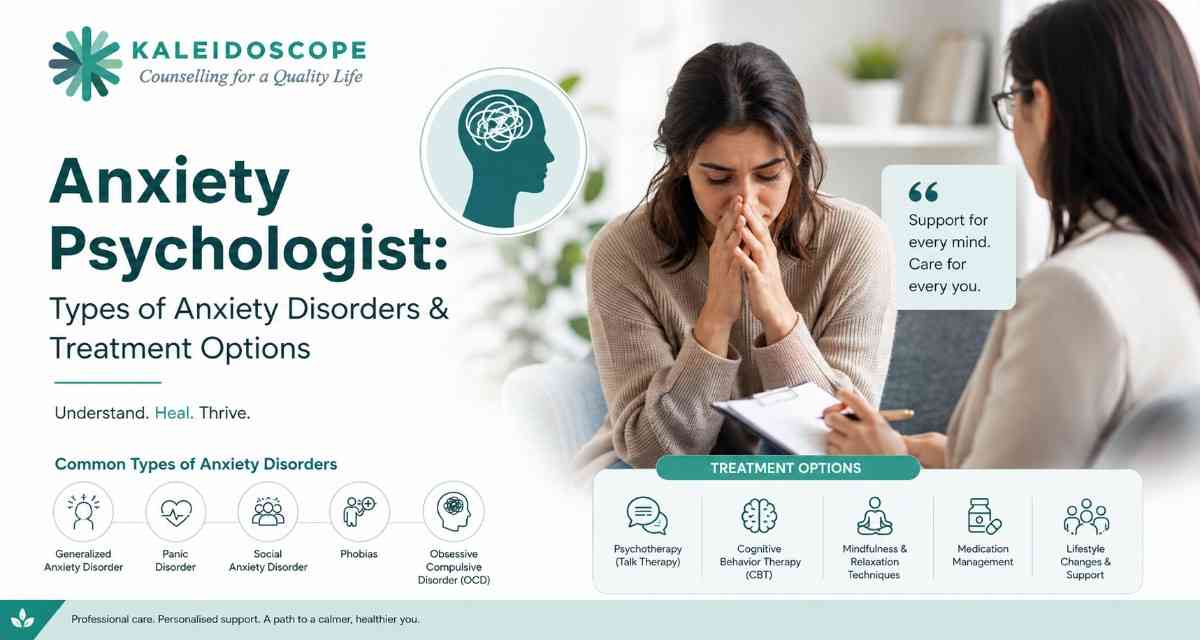
Cognitive behavioral therapy (CBT) and related psychotherapies have robust evidence for treating many anxiety conditions. In some cases, medication prescribed by a qualified clinician may be part of a treatment plan. Treatment decisions should be made with a licensed mental health professional or primary care clinician; this article is informational and not a substitute for individualized clinical advice.
Community and workplace interventions
Workplace policies that reduce excessive workload, provide flexible scheduling, and promote mental health literacy can decrease stress-related problems. Community programs that strengthen social networks, peer support, and access to recreation and education also contribute to prevention and recovery.
Public health responses and resources
Prevention and early identification
Public health strategies include mental health promotion in schools, workplace mental health initiatives, suicide prevention efforts, and campaigns to reduce stigma. Early identification through screening and linkage to care increases the chance of effective treatment.
Guidance from international authorities
Organizations that track mental health trends and issue guidance include national public health agencies and international bodies. For an overview of global mental health priorities and resources, see the World Health Organization's mental health information (link below).
World Health Organization: Mental health
Practical steps for individuals and caregivers
- Monitor changes in mood, sleep, and daily functioning and seek professional evaluation if symptoms are persistent or worsening.
- Use evidence-based self-help strategies alongside professional care when recommended.
- Build and maintain supportive relationships; small changes in social connection can have measurable benefits.
- Advocate for mental health resources at work, school, and in the community.
When to seek immediate help
If thoughts of harming oneself or others occur, or if functioning is severely impaired, contact local emergency services or crisis lines immediately. Local public health and clinical services can provide urgent assessment and support.
What policymakers and systems can do
Policy responses include funding mental health services, training primary care providers, integrating mental health into community services, and reducing structural barriers to care such as cost and transportation. Monitoring trends and supporting research are essential for responsive strategies.
Conclusion
Describing contemporary increases in anxiety as an "anxiety epidemic" highlights the scale and social dimensions of rising distress, but it also underscores the need for evidence-based responses across health systems, workplaces, schools, and communities. Combining prevention, accessible treatment, and social policy measures can reduce the individual and societal burden of anxiety.
What is the anxiety epidemic and why is it happening?
The phrase "anxiety epidemic" refers to observed increases in anxiety symptoms and diagnoses in many populations. It results from a mix of factors including social stressors, digital media dynamics, economic and environmental pressures, and biological vulnerabilities, alongside changes in measurement and awareness.
How can someone reduce everyday anxiety symptoms?
Practical steps include improving sleep, engaging in regular physical activity, practicing relaxation or mindfulness, limiting distressing media exposure, and maintaining social connections. For persistent or severe symptoms, consult a licensed clinician for assessment and treatment options.
Where can reliable information and support be found?
Trusted sources include national public health agencies, licensed mental health professionals, and international organizations that provide guidance on mental health trends and services. For global information, see the World Health Organization's mental health resources linked above.
Is this article a substitute for professional medical advice?
No. This article provides general information and is not a substitute for professional diagnosis, treatment, or emergency care. Individuals with concerns about anxiety should consult qualified health professionals.