Top 5 Advantages of Becoming a Game Developer
-

- Published Updated
- 1,325 views
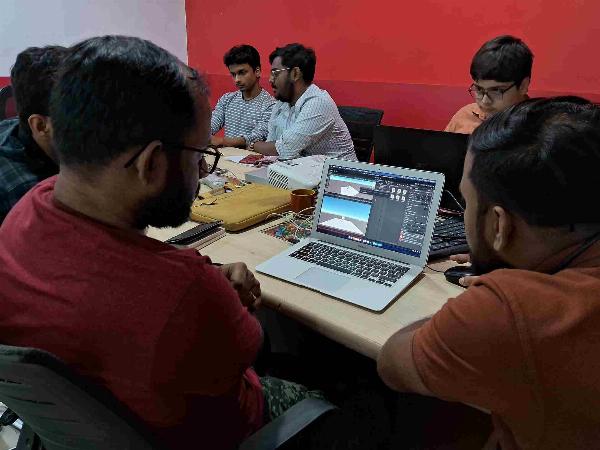
Many people want to become a game developer because the field blends creativity, technology, and collaboration into a single career. This article outlines five advantages of pursuing game development, including skill growth, diverse career paths, and opportunities for independent publishing.
Why become a game developer: 5 key advantages
1. Creative expression and storytelling
Game development combines narrative design, visual art, audio, and interactive systems to create experiences. Designers, writers, artists, and audio engineers contribute to player engagement through level design, character development, and user experience (UX) choices. For those interested in interactive storytelling, the medium allows experimentation with branching narratives, emergent gameplay, and player-driven outcomes that are difficult to achieve in linear media.
2. Rapid technical skill development
Working in game development accelerates technical learning. Common areas of growth include programming (scripting, C++ and C# paradigms), mathematics for physics and graphics, real-time rendering, artificial intelligence for non-player characters, and optimization for performance on multiple platforms. Familiarity with game engines, asset pipelines, version control, and testing frameworks translates into transferable skills for other software engineering roles.
3. Diverse career pathways and industry demand
The games industry supports a wide range of roles: gameplay programmer, systems designer, technical artist, UI/UX specialist, producer, QA tester, and live-ops manager, among others. Opportunities exist in large studios, mid-size developers, and small independent teams. Labor statistics for software developers and related occupations can indicate long-term demand for technical roles, while professional organizations provide career resources and standards for practitioners.
4. Collaboration and professional community
Game development is typically a team effort that brings together specialists from different disciplines. Collaboration develops project management, communication, and version-control skills. Professional networks, meetups, and non-profit organizations offer mentorship, events, and advocacy for developers. For example, the International Game Developers Association provides resources, research, and community support for industry professionals across regions. International Game Developers Association (IGDA)
5. Entrepreneurial opportunities and flexible career models
Independent development and digital distribution have lowered barriers to publishing games. Small teams and solo developers can reach global audiences through digital storefronts and subscription services. This environment supports freelancing, contract work, and studio founding, allowing creators to experiment with monetization models such as premium purchases, free-to-play with in-app transactions, subscriptions, or ad-supported titles. Even without running a studio, skills developed in game production enable consulting, tool development, or content creation roles.
Practical considerations when deciding to become a game developer
Education and portfolio
Formal education in computer science, game design, digital art, or related fields can be helpful but is not strictly required. A demonstrable portfolio—playable prototypes, code samples, or art demos—often carries more weight in hiring decisions. Contributions to open-source projects, game jams, and internships provide practical experience and show collaboration skills.
Work environment and career progression
Work settings vary from fast-paced production cycles in larger studios to the multi-disciplinary workload of indie teams. Career progression can move from specialist roles (e.g., gameplay programmer) into lead or management positions, technical production, or independent entrepreneurship. Attention to workplace practices, mental health considerations, and contracts is important; professional associations and local labor regulators can provide guidance.
Conclusion
Choosing to become a game developer offers multiple advantages: a creative outlet, accelerated technical learning, varied career paths, strong collaborative networks, and entrepreneurial possibilities. Evaluating personal interests, building a portfolio, and engaging with community organizations can help clarify whether a career in game development aligns with long-term goals.
Frequently Asked Questions
How do I become a game developer?
Start by learning core skills such as programming fundamentals or digital art, create a portfolio with small playable projects or demos, participate in game jams, and seek internships or mentorship. Networking with local or online developer communities and contributing to collaborative projects helps demonstrate teamwork and real-world experience.
What programming languages are common in game development?
Common languages include C++ and C# for performance and engine integration, as well as scripting languages used for rapid iteration. Familiarity with mathematics for graphics and physics, and with tooling for asset management and build pipelines, is also valuable.
Can game development lead to jobs outside the games industry?
Yes. Skills in real-time systems, graphics, AI, UX design, and performance optimization are applicable in industries such as simulation, virtual and augmented reality (VR/AR), film and animation, education technology, and general software development.
Are there resources for new game developers?
Professional organizations, online tutorials, university programs, and community meetups provide learning paths, mentorship, and industry guidelines. The International Game Developers Association is one source for events and professional resources.
Is entrepreneurship common among game developers?
Many developers pursue independent projects, small studios, or freelancing. Digital distribution and online communities make it feasible to self-publish and test monetization strategies, though market research and a clear business plan remain important for sustainable income.