Top Travel Trends Shaping Africa’s Tourism Industry
-

- May 22nd, 2026
- 7,011 views
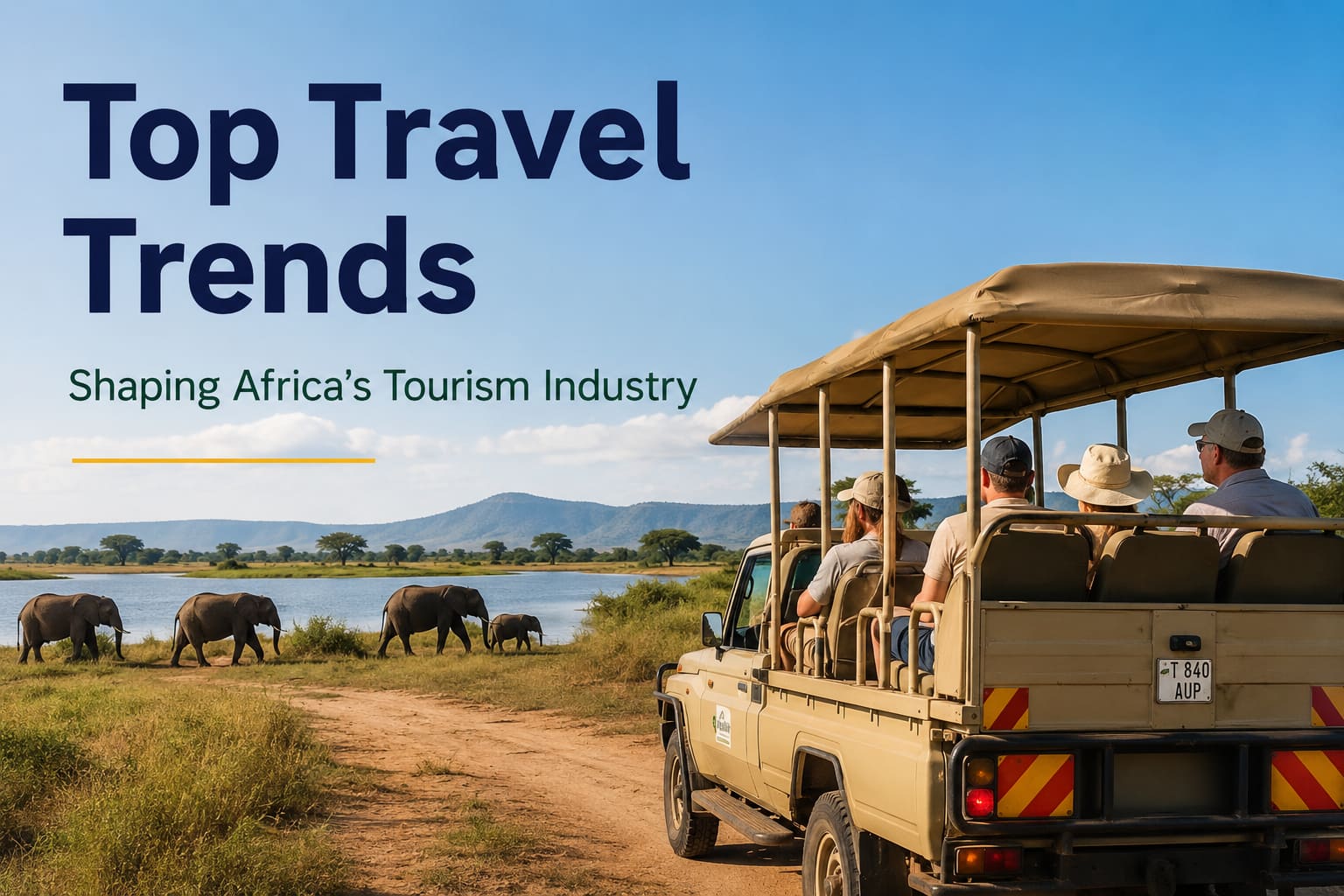
Africa’s tourism industry is entering an exciting new era. Travelers today are no longer satisfied with ordinary vacations or rushed itineraries. They want meaningful experiences, authentic cultural connections, sustainable journeys, and seamless digital convenience — and Africa is perfectly positioned to deliver all of it.
From luxury safaris in Kenya and South Africa to cultural tours in Morocco and Egypt, the continent is becoming one of the world’s fastest-growing tourism regions. According to recent UN Tourism reports, Africa recorded some of the strongest tourism growth globally, with international arrivals continuing to rise steadily beyond pre-pandemic levels.
What makes Africa stand out is its diversity. One trip can combine wildlife adventures, historical landmarks, beach escapes, local traditions, and modern city experiences. As traveler preferences evolve, tourism businesses across the continent are adapting quickly to meet changing expectations.
1. Sustainable and Responsible Tourism Is Becoming a Priority
Modern travelers are becoming more conscious about how their trips impact the environment and local communities. Instead of simply choosing luxurious experiences, many tourists now prefer eco-friendly accommodations, conservation-focused safaris, and tours that directly support local economies.
Across Africa, eco-lodges, community-run tourism projects, and conservation initiatives are gaining popularity. Travelers increasingly want their spending to contribute toward wildlife protection, employment opportunities, and sustainable development.
Countries such as Rwanda, Kenya, Botswana, and Tanzania are leading the way with conservation-based tourism models. Gorilla trekking permits in Rwanda, for example, help fund wildlife conservation while supporting nearby communities.
Sustainability is no longer just a marketing term — it has become a major factor influencing travel decisions.
2. Luxury Safari Experiences Are Growing Rapidly
African safaris have always attracted international tourists, but luxury safari travel is now expanding faster than ever. Today’s travelers are looking for personalized wildlife experiences combined with premium comfort, privacy, and exclusive services.
Private game reserves in South Africa, luxury tented camps in Tanzania, and high-end safari lodges in Kenya are becoming increasingly popular among affluent travelers.
Modern luxury safaris now include:
Private wildlife drives
Personalized itineraries
Wellness retreats in the wilderness
Fine dining experiences
Family-friendly safari packages
Photography-focused tours
Exclusive conservation experiences
Travelers are also spending more and planning safari holidays much earlier than before, showing strong long-term demand for premium African tourism experiences.
At the same time, the growth of Corporate travel South Africa services is contributing to tourism expansion, as more international professionals combine business trips with leisure experiences across the region.
3. Cultural and Heritage Tourism Is Rising
Many travelers now want to experience the real Africa beyond traditional sightseeing. Cultural immersion has become one of the most powerful tourism trends across the continent.
Tourists are increasingly interested in:
Local traditions and festivals
Traditional African cuisine
Indigenous communities
Historical landmarks
Music and art experiences
Heritage storytelling
Authentic local lifestyles
North and West African destinations are seeing strong growth in culturally driven tourism. Cities such as Cairo, Marrakech, Dakar, Kigali, and Cape Town are attracting travelers who want deeper cultural experiences instead of only luxury resorts or wildlife tours.
This trend is encouraging tourism businesses to create more personalized and locally connected experiences.
4. Digital Transformation Is Changing Travel Planning
Technology is now playing a huge role in how travelers discover, book, and experience Africa.
AI-powered trip planning, digital booking systems, online visa applications, mobile payments, and smart tourism platforms are transforming the customer journey. Travelers increasingly rely on digital tools to compare destinations, create itineraries, and manage travel logistics.
Several African destinations are modernizing tourism infrastructure by introducing:
Digital park entry systems
Online safari bookings
QR-based permits
Mobile-friendly travel platforms
AI-driven travel recommendations
Virtual destination previews
Social media platforms such as Instagram, TikTok, and YouTube are also heavily influencing travel decisions, especially among younger travelers.
For African travel companies, digital visibility has become essential for attracting international audiences.
5. Bleisure Travel Is Expanding
Business and leisure travel are increasingly blending together. This trend, commonly called “bleisure travel,” is becoming especially important in Africa’s growing corporate travel market.
Professionals attending conferences, exhibitions, or meetings are extending their trips to explore destinations for leisure purposes. Major African business hubs such as Johannesburg, Nairobi, Lagos, Kigali, and Cairo are benefiting from this shift.
For example, a business traveler attending meetings in South Africa may extend the trip for a safari experience or beach holiday afterward.
This trend is creating opportunities for:
Travel management companies
Hotels
Destination management companies
Airlines
Local tour operators
Many Travel and tour agencies in Nigeria are also expanding their offerings to include customized bleisure packages for professionals who want to combine work commitments with memorable travel experiences.
6. Wellness and Slow Travel Are Gaining Popularity
Many travelers today are choosing slower, more intentional travel experiences instead of rushed itineraries. Africa’s natural landscapes make it an ideal destination for wellness-focused tourism.
Travelers are seeking:
Nature retreats
Digital detox holidays
Yoga and meditation experiences
Forest immersion activities
Wellness safaris
Beach relaxation escapes
Safari tourism is increasingly being marketed as a mental wellness experience rather than simply a wildlife adventure.
Longer stays, fewer destination changes, and peaceful experiences are becoming more desirable, especially among travelers looking to escape busy urban lifestyles.
7. Adventure Tourism Is Becoming More Diverse
Adventure tourism in Africa is no longer limited to traditional safaris or mountain climbing.
Travelers are now exploring:
Horseback safaris
Night safaris (“Noctourism”)
Desert expeditions
Diving and snorkeling
Hiking experiences
Volcano trekking
Off-grid eco adventures
Night tourism experiences are particularly growing in popularity, allowing travelers to observe nocturnal wildlife and enjoy stargazing experiences in remote conservation areas.
Adventure travelers are increasingly searching for unique experiences that feel authentic and less commercialized.
8. Domestic and Regional Tourism Are Strengthening
Another major shift in Africa’s tourism industry is the rise of domestic and regional travel.
African travelers themselves are increasingly exploring destinations within the continent. Improved regional connectivity, growing middle-class populations, and simplified visa policies are encouraging intra-African tourism.
Countries are actively promoting:
Weekend getaways
Regional holiday packages
Affordable safari experiences
Local cultural tourism
Business tourism within Africa
This trend is helping tourism businesses reduce dependence on long-haul international markets while creating stronger local tourism economies.
The increasing demand for regional conferences and international partnerships has also boosted the need for professional Business travel services Egypt, particularly in major business and tourism hubs like Cairo and Sharm El Sheikh.
9. Travelers Want Personalized Experiences
Modern tourists no longer want generic package tours. Personalization has become one of the strongest trends shaping global tourism — and Africa is adapting quickly.
Travel companies are offering:
Tailor-made itineraries
Private guided tours
Specialized photography safaris
Family travel experiences
Honeymoon packages
Culinary tourism
Solo traveler experiences
Travelers want trips that match their personal interests, budgets, and travel styles rather than fixed itineraries.
This shift is pushing travel agencies and destination management companies to provide more flexible and customized services.
10. Community-Based Tourism Is Becoming More Important
Tourists today increasingly want their travel spending to benefit local communities directly.
Community-based tourism allows visitors to interact with local people while supporting:
Small businesses
Local guides
Artisans
Cultural centers
Rural tourism projects
Many travelers are actively choosing experiences that create positive social impact instead of purely commercial tourism models.
At the same time, conversations around ethical tourism are becoming more important. Some studies have highlighted concerns about luxury tourism failing to adequately benefit local populations in certain regions.
As a result, responsible tourism practices are becoming a key expectation among global travelers.
Final Thoughts
Africa’s tourism industry is evolving faster than ever. Travelers are looking for experiences that are authentic, sustainable, personalized, and digitally convenient — and Africa is responding with innovation, diversity, and creativity.
From luxury safaris and cultural immersion to wellness retreats and AI-powered travel planning, the continent is redefining what modern tourism looks like.
As global tourism continues to grow, Africa is expected to remain one of the most exciting and influential travel regions in the world. For travel agencies, tourism boards, airlines, hotels, and destination management companies, adapting to these trends will be essential for long-term success in the competitive tourism landscape.