Practical AI Blog Post Generator Guide for Ecommerce Brands to Grow Organic Traffic
-

- Published Updated
- 223 views

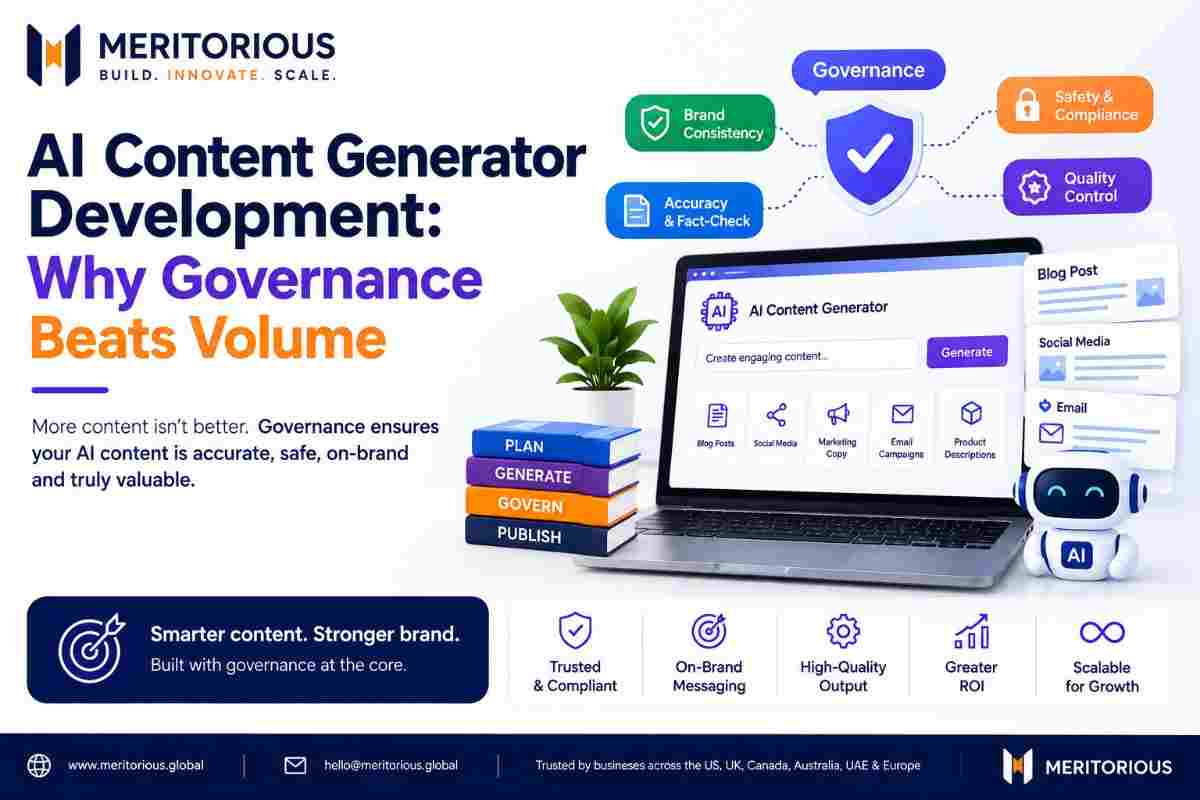
An AI blog post generator for ecommerce brands can speed content production, fill topic gaps, and help build organic traffic when used with clear editorial controls and SEO strategy. This guide defines usable safeguards, a practical framework, and step-by-step workflow so teams can scale posts without sacrificing quality or rankings.
How to use an AI blog post generator for ecommerce brands
Start by clarifying the role of an AI blog post generator for ecommerce brands: it is a tool to produce draft content, outlines, and metadata quickly—never a replacement for subject-matter validation, brand voice, or SEO review. Treat outputs as first drafts that require human editing, product fact-checks, and optimization for search intent.
Definitions and core concepts
Key terms: content brief (topic, target keywords, intent), topic cluster (related posts grouped by pillar content), schema markup (structured data for product and article pages), long-tail keyword (specific search queries). Related practices include content audits, editorial calendars, and internal linking strategies.
CONTENT-AI Framework (named model)
CONTENT-AI is a repeatable framework to guide automation safely:
- Choose: select topics based on search volume, competitor gaps, and product relevance.
- Outline: create an SEO brief with headings, keywords, and required product facts.
- Neutralize: run the AI to generate a structured draft, then remove hallucinations and verify claims.
- Edit: humanize voice, check product details, add citations or original images.
- Optimize: apply on-page SEO (meta tags, headings, schema) and internal links.
- Test: publish, monitor metrics, and iterate on underperforming pages.
Practical setup and blog workflow for online stores
Design an end-to-end blog workflow that combines ecommerce content automation with manual quality gates. The workflow should include: topic research, content brief creation, AI draft generation, human edit, SEO optimization, schema markup for product or review pages, and scheduled publishing.
Checklist before publishing
- Confirm product facts and availability.
- Match article intent to a targeted long-tail keyword.
- Include schema where relevant (product, review, article).
- Attach original images or properly licensed photos and compress for web.
- Add internal links to category and product pages to support conversion funnels.
Real-world example: niche apparel store
A niche apparel store used an AI blog post generator to produce guides about fabric care and outfit ideas. Workflow: run topic discovery to find long-tail queries (e.g., "how to wash merino wool sweater"), create a one-page brief listing product links and required facts, generate a draft, then have a product specialist edit for accuracy. After publishing with schema and internal links, the posts captured low-competition queries and increased category page sessions by 18% over three months.
Common mistakes and trade-offs when scaling content
Trade-offs
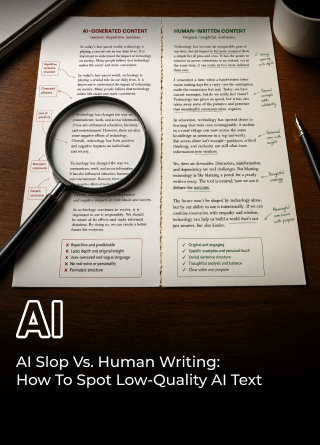
Automation reduces time-per-article but can increase the risk of factual errors and generic tone. High volume helps topical coverage but may dilute brand voice unless strong editing processes are enforced. Balancing speed and quality is the main trade-off.
Common mistakes
- Publishing AI outputs without fact-checking product specifications or policies.
- Reusing the same structure and phrasing across many posts causing duplicate-content issues.
- Neglecting schema markup and internal linking that support SEO and conversions.
- Relying solely on search volume—ignoring conversion potential and buyer intent.
Practical tips to get measurable results
- Start with a content audit: identify top-performing product pages and build 1–3 supporting blog posts per high-priority category.
- Create a one-paragraph SEO brief per article that includes target keyword, one user intent sentence, and required product links—feed that to the AI generator.
- Implement a two-step review: product fact-check by a specialist, then SEO pass for headings, meta tags, and internal links.
- Use canonical tags and hreflang (if multilingual) to prevent indexing issues when similar content exists.
- Measure both organic sessions and micro-conversions (email sign-ups, product clicks) to evaluate content ROI.
Measuring impact and SEO best practices
Track keyword rankings, organic sessions, time on page, bounce rate, and on-site conversions. Use server logs or a crawl to confirm search engines can access content and to find indexing issues. Follow authoritative guidance on content quality and indexing signals from search platforms; for example, review Google Search Central for best-practice advice on creating useful, trustworthy content (Google Search Central).
How to iterate
Run A/B tests for title tags and meta descriptions, refresh posts with updated product information and new internal links, and consolidate thin or overlapping posts into stronger pillar pages when necessary.
FAQ
Is an AI blog post generator for ecommerce brands safe to use?
Yes—when used with controls. Enforce editorial review, product fact-checks, and SEO optimization before publishing. Treat AI outputs as drafts requiring verification rather than finished copy.
How does ecommerce content automation affect SEO?
Automation can accelerate coverage of long-tail queries and topic clusters, but SEO gains depend on relevance, originality, schema usage, and internal linking. Poorly edited mass content risks thin pages and ranking drops.
What is the best workflow for AI SEO blog writing?
A best-practice workflow combines topic research, a single-paragraph SEO brief, AI draft generation, product specialist fact-check, SEO optimization (headings, meta, schema), and post-publish measurement to iterate.
Can AI-generated blog posts increase conversions for online stores?
Yes—when posts are linked to product pages, include clear calls-to-action, and target buyer-intent queries that align with category pages. Monitor product clicks and checkout funnels to measure impact.
How to maintain quality when using a blog workflow for online stores?
Use the CONTENT-AI Framework, enforce a mandatory review checklist, rotate editors to avoid monotony, and schedule periodic audits to merge or refresh underperforming posts.